Ireland (EUR)

Urban sketching is about drawing what you see, right on the spot, in the city, at a café, in a park, or wherever you happen to be. Instead of drawing from photos or imagination, you capture reality in the moment, using quick lines, simple shapes, and whatever is happening around you. It doesn’t have to be perfect or detailed, it’s more about observing, interpreting, and documenting what you experience. In this post, we go through why so many people get hooked on urban sketching, which materials work best to bring along, and how to get started without getting stuck on performance or perfection.
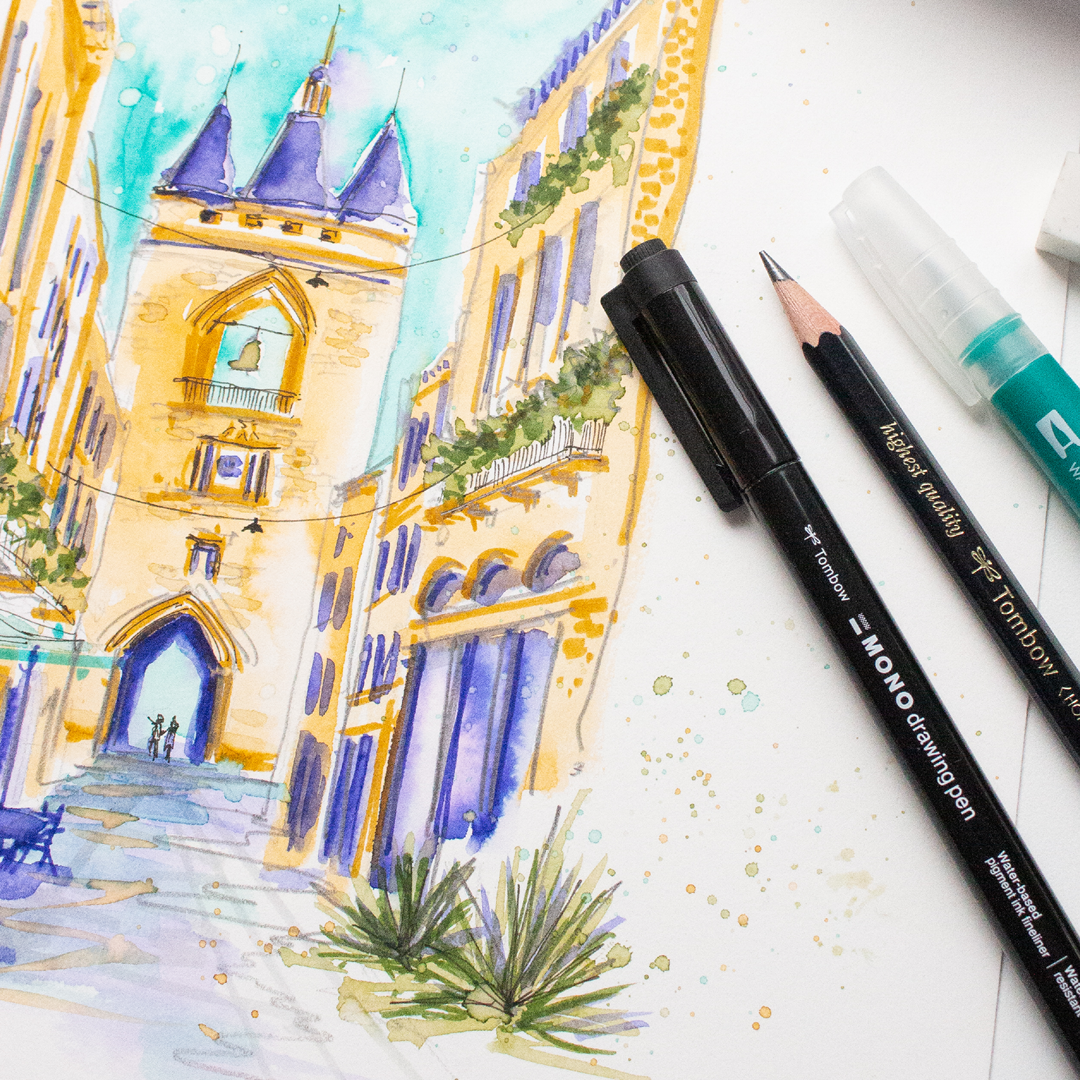
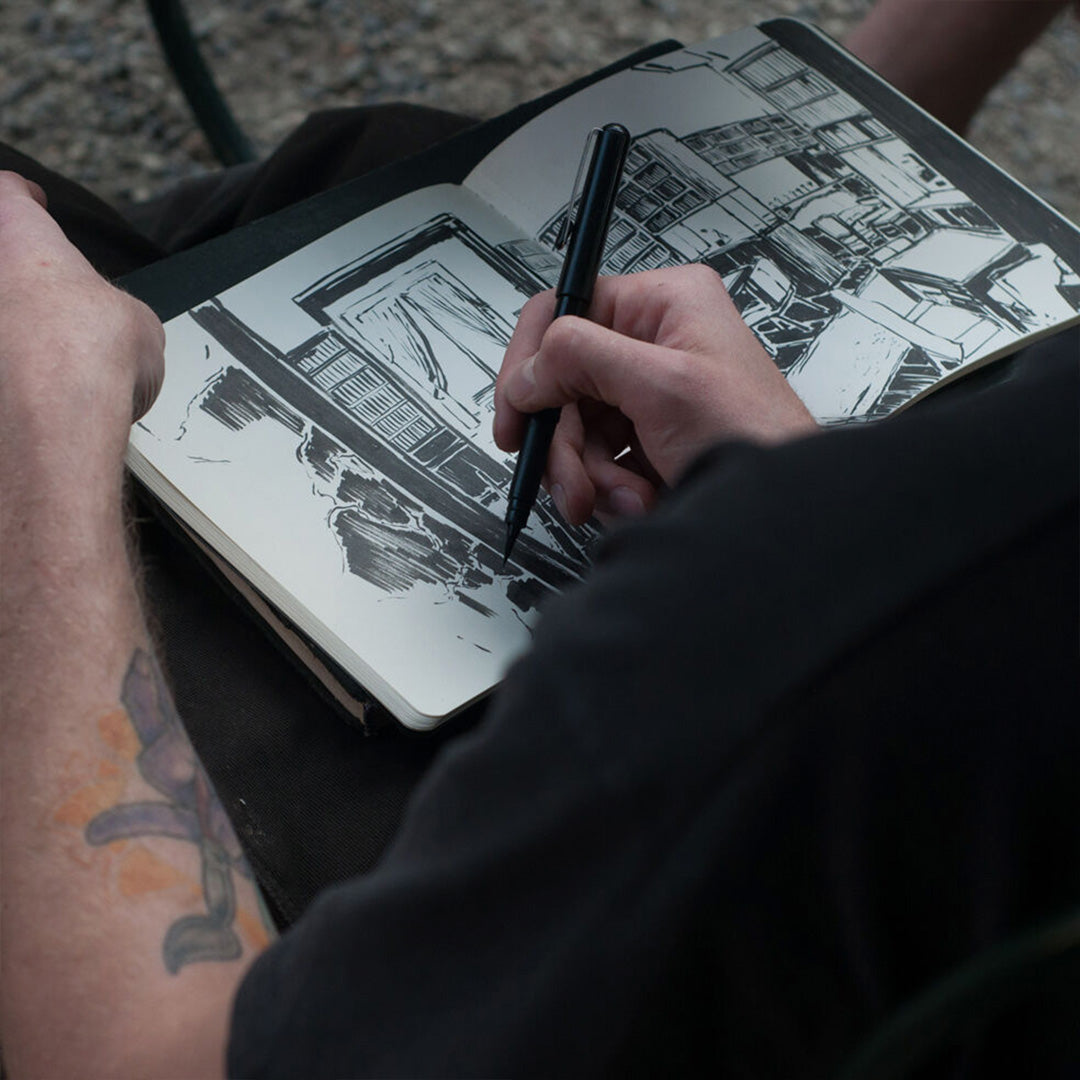
Why start with urban sketching?
The beauty of urban sketching is that it’s not about drawing perfectly, but about truly seeing what’s around you. A coffee cup on a messy table. A building façade leaning a little more than you expected. People passing by. All those things that would otherwise just blur past suddenly become something you pause for.
When you sketch, you’re not just training your hand, but above all your eye. You start noticing shapes, angles, light and proportions, and try to capture them on paper as best you can. It doesn’t have to be exact. The point is that you see more than you did before.
Urban sketching is also a way to slow down. You sit down, focus on a place, and let the rest of the world carry on in the background. And something happens with memory too. When you later flip back through your sketchbook, the whole moment often comes back, not just the subject, but the feeling, the sounds, the atmosphere, perhaps even the scent of the place.
You get a creative pause, train your observation skills, and collect visual memories along the way.
Materials to pack in your bag
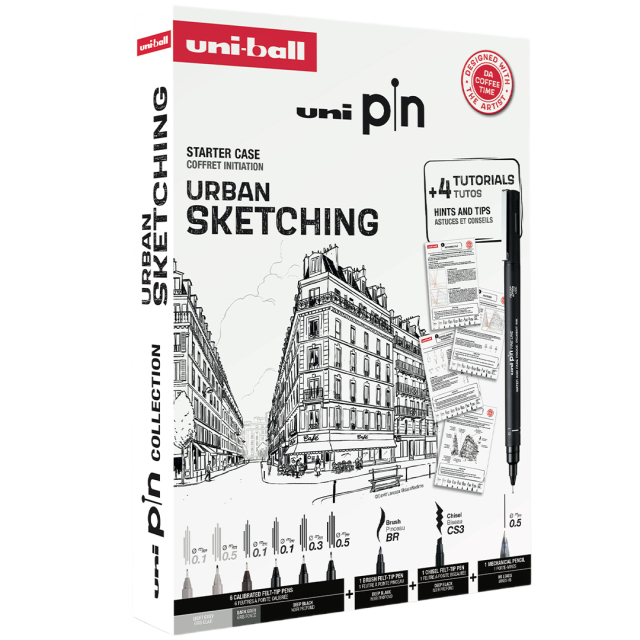
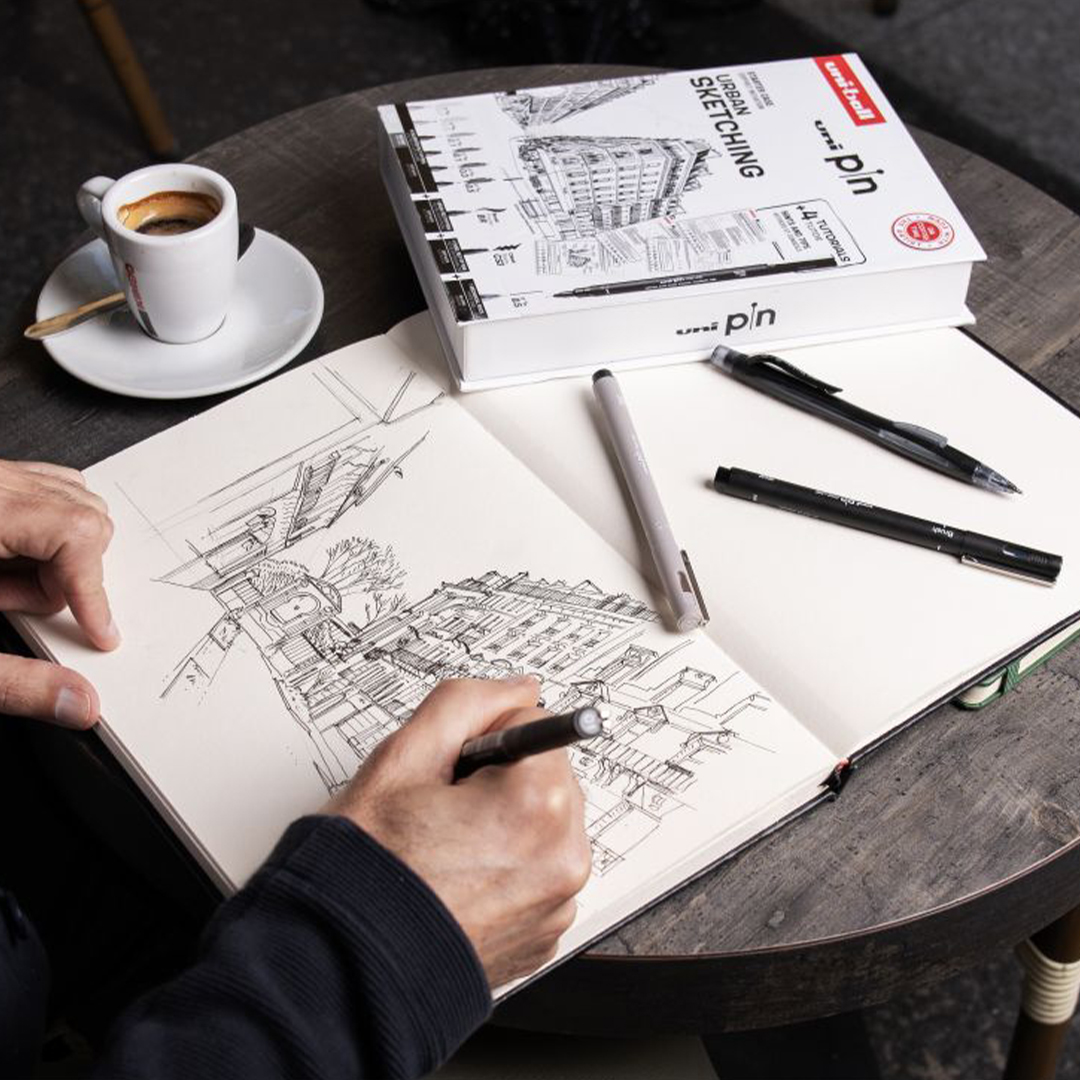
You don’t need to carry a whole studio out into the city. A simple kit goes a long way, especially at the beginning. Choose a few favourites that are easy to bring along and enjoyable to use, and you’ll get much further than if your bag is full but the barrier to getting started is higher. Here are our best tips on materials often found in an urban sketcher’s bag.
Basic kit to get started
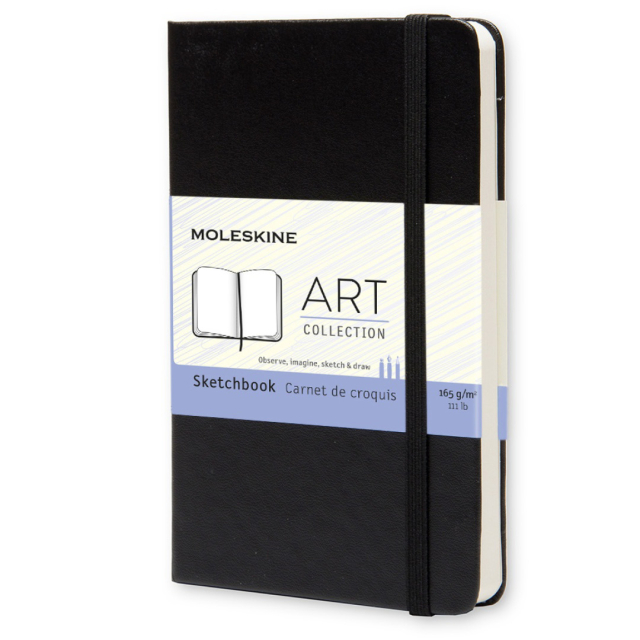
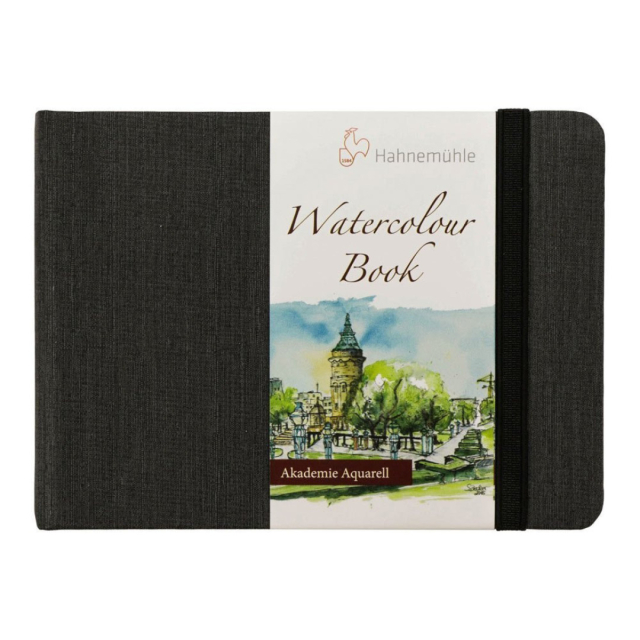
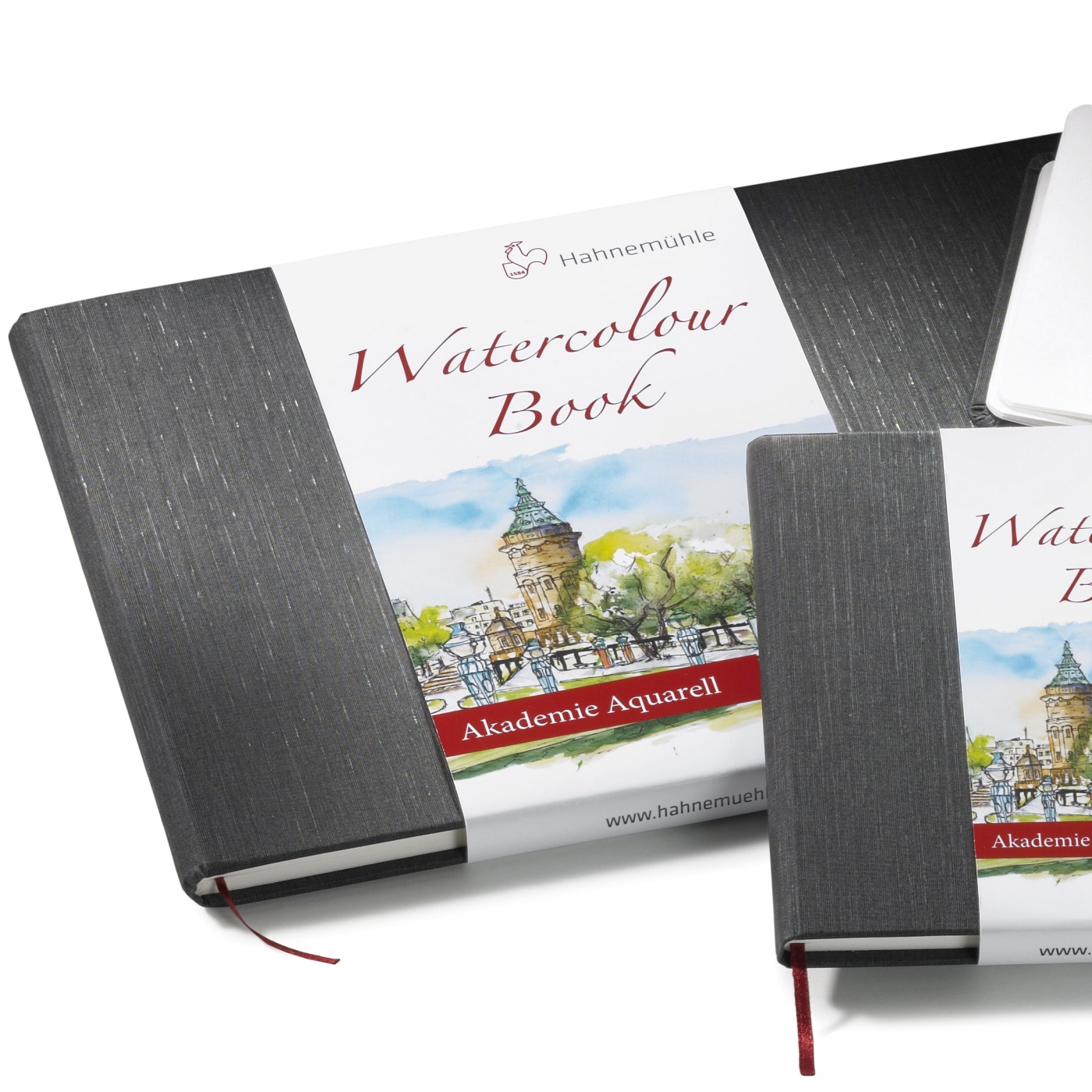
- Sketchbook: preferably in a handy size that’s easy to carry, with paper that can handle both quick sketches and a bit of colour.
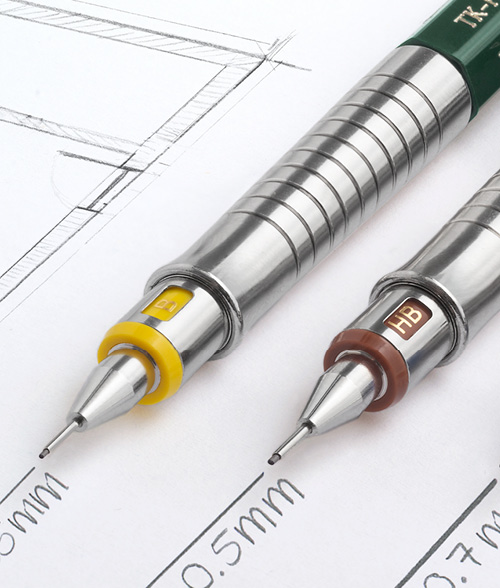
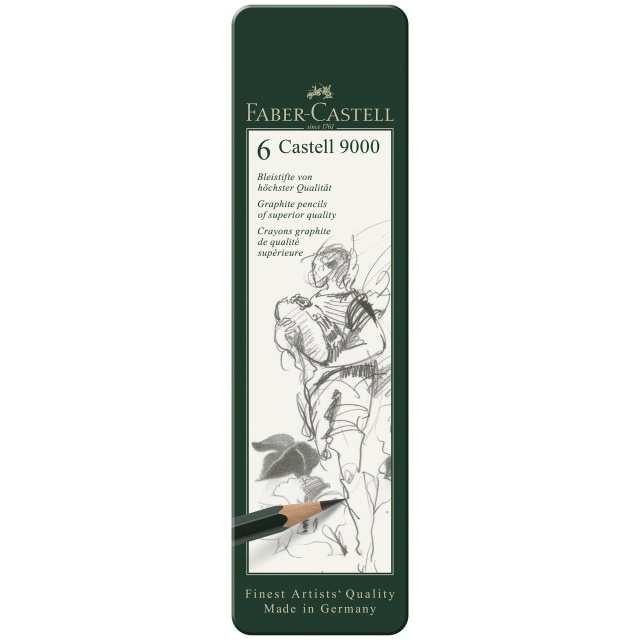
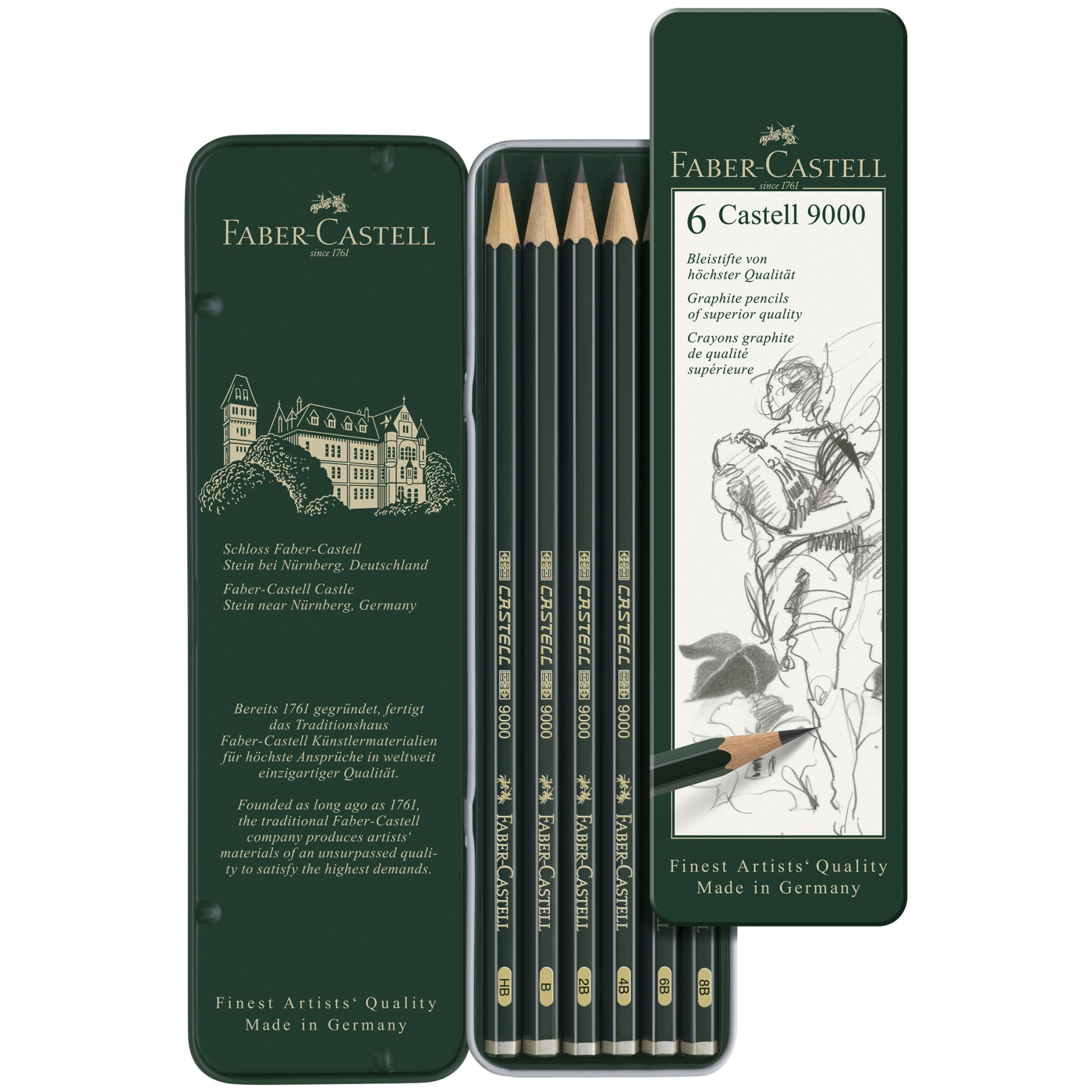
- Pencil: great for quickly mapping out shapes and proportions before adding more.
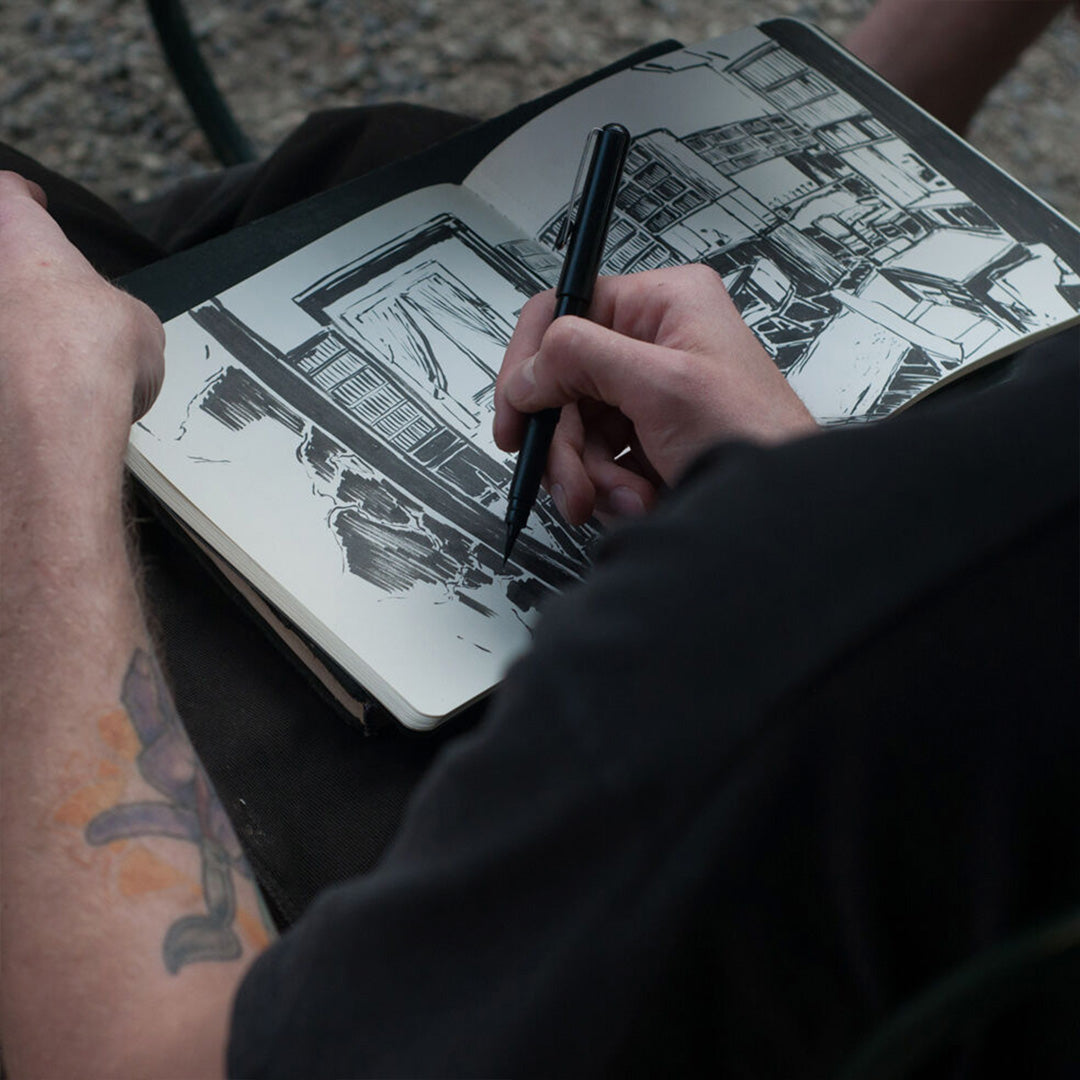
- Fineliner: perfect for lines, outlines and details.
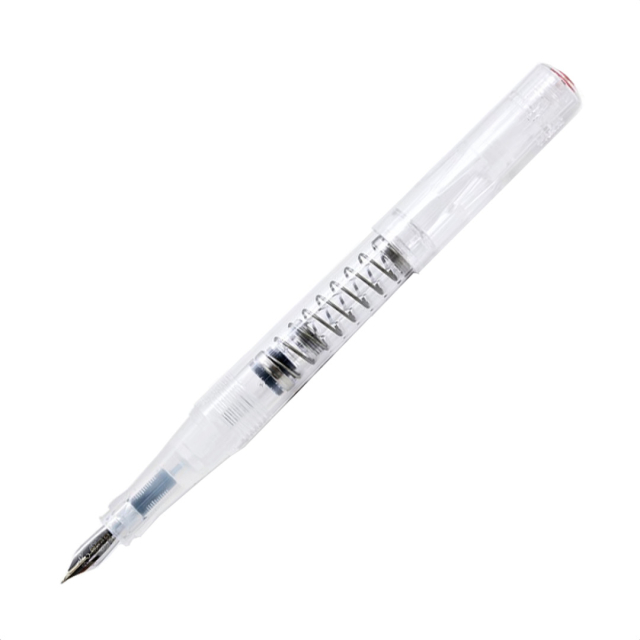
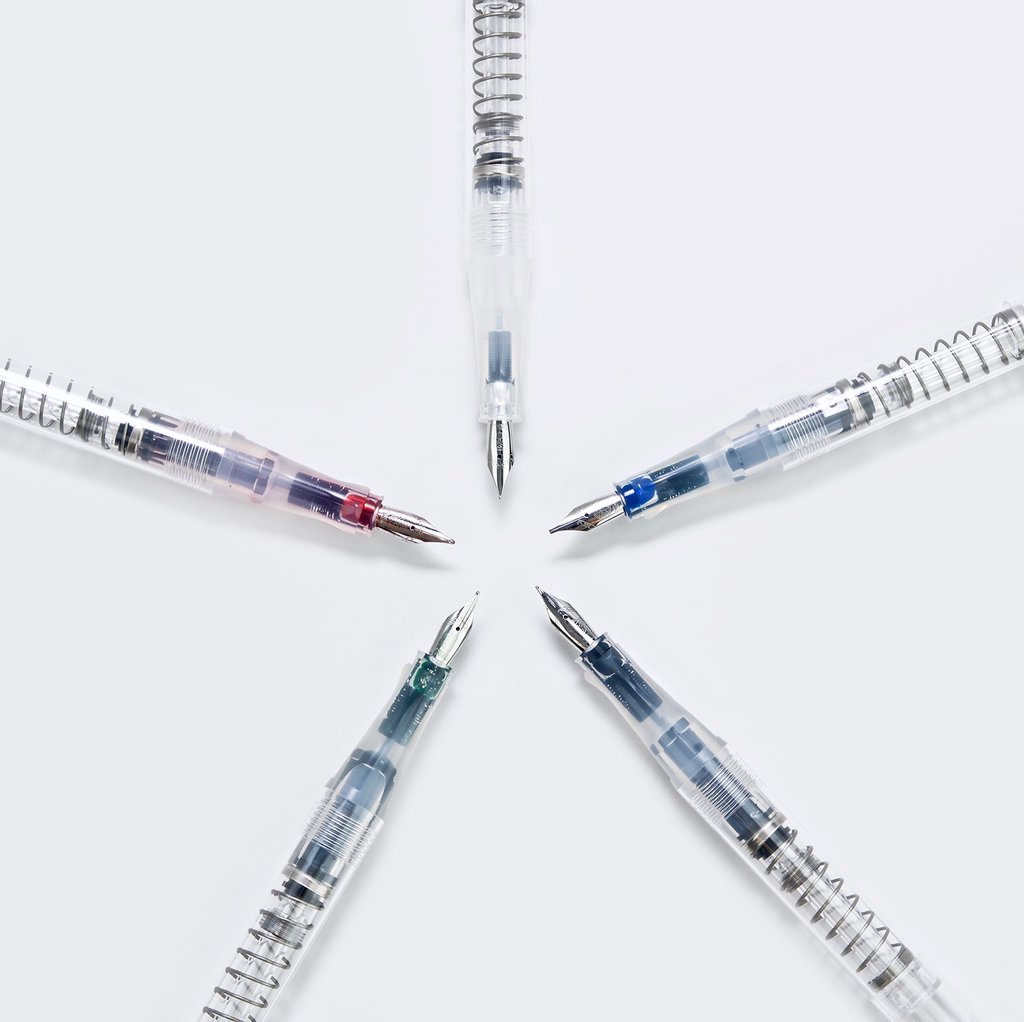
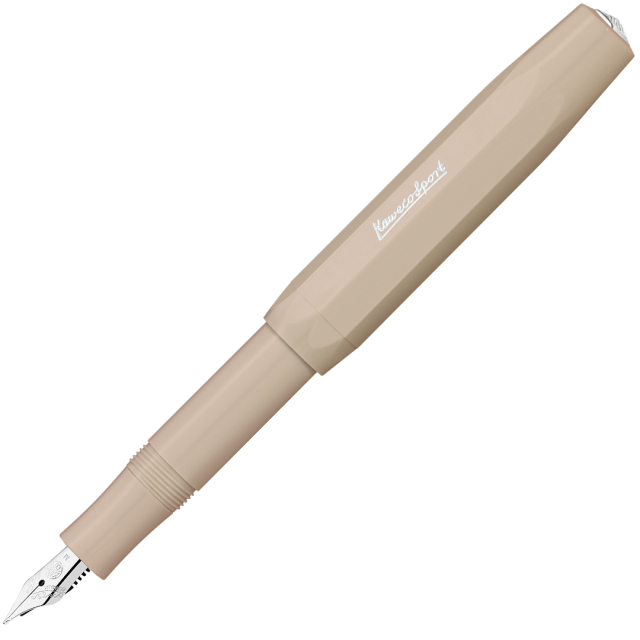
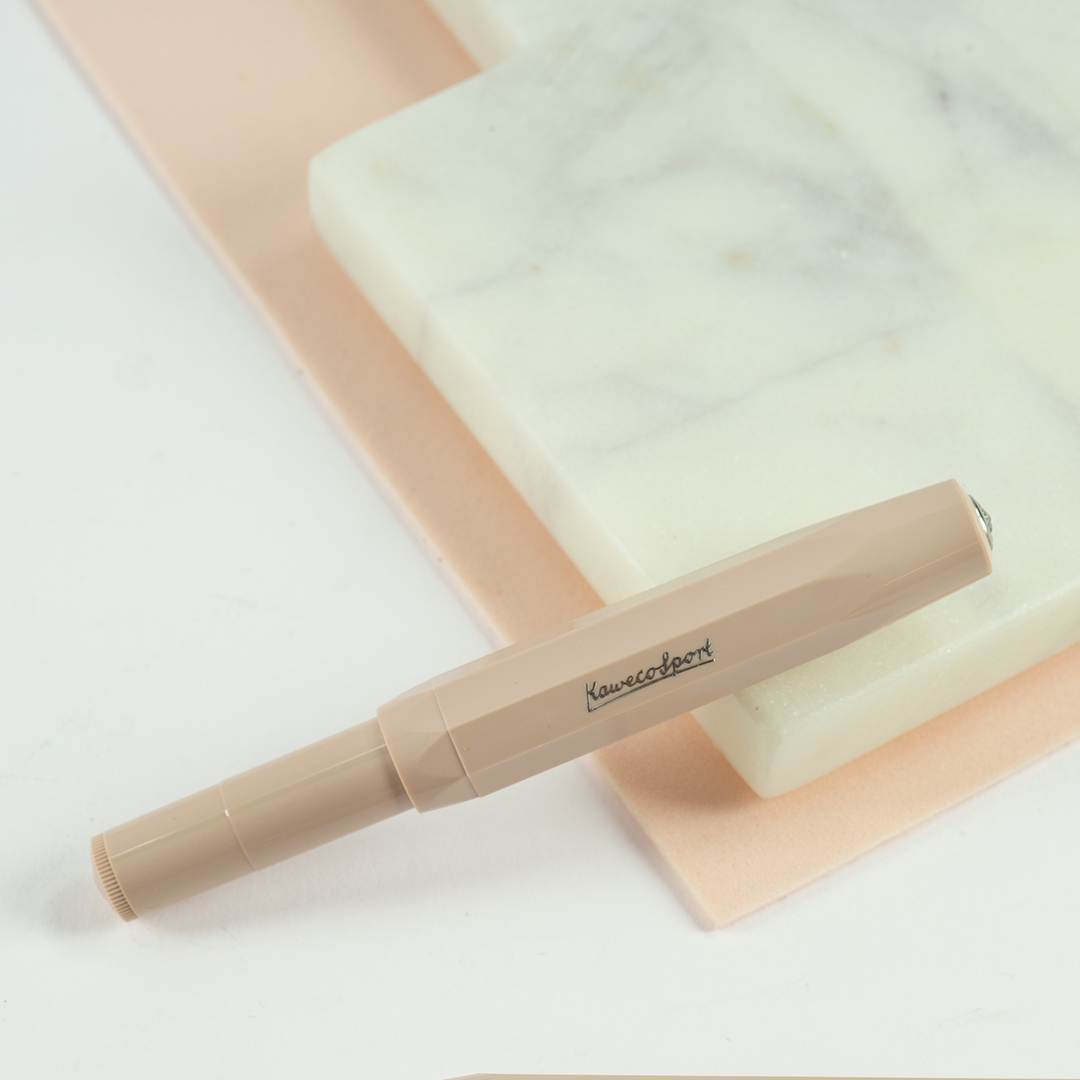
- Fountain pen: an alternative to the fineliner if you enjoy a more expressive line and the feel of drawing with liquid ink, or simply love a beautiful pen.
- Eraser: useful if you want to build your sketch step by step, although many also enjoy just going for it.
For those who want to add colour
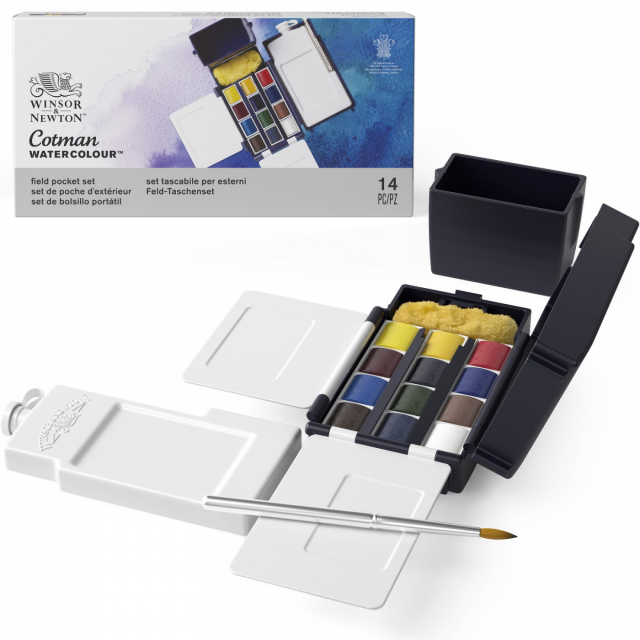
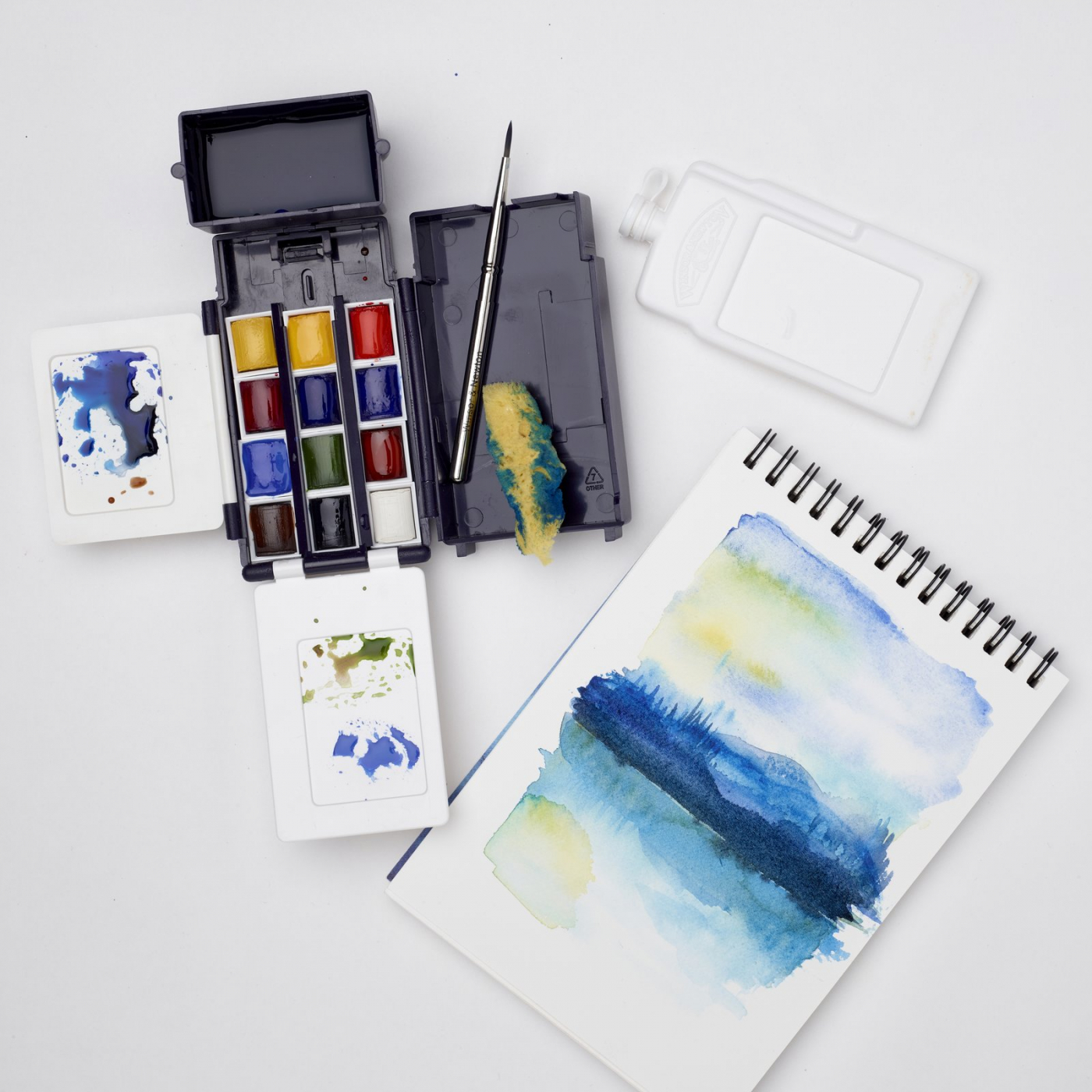
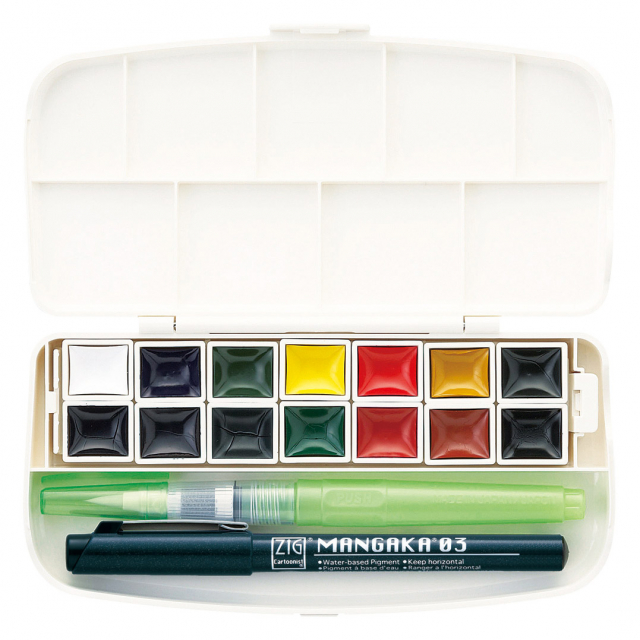
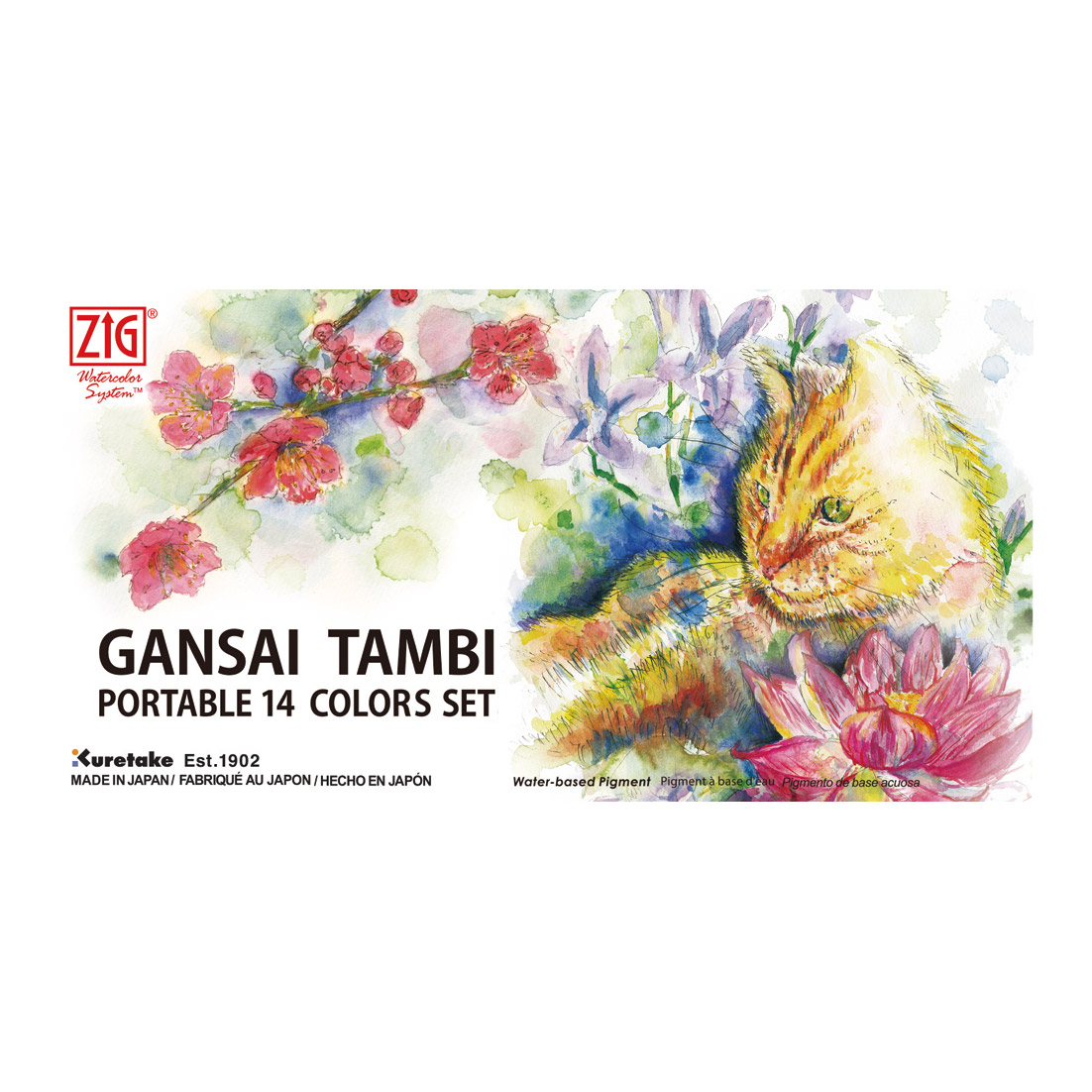
- Watercolour set: a convenient medium when sketching outdoors. You can get started straight away, it dries quickly and creates minimal mess. We offer several practical travel sets where you get a water cup, brush and palette in one, so you don’t need to pack multiple items.
- Water brush or small brush: easy to carry and simple to use when sketching outside.
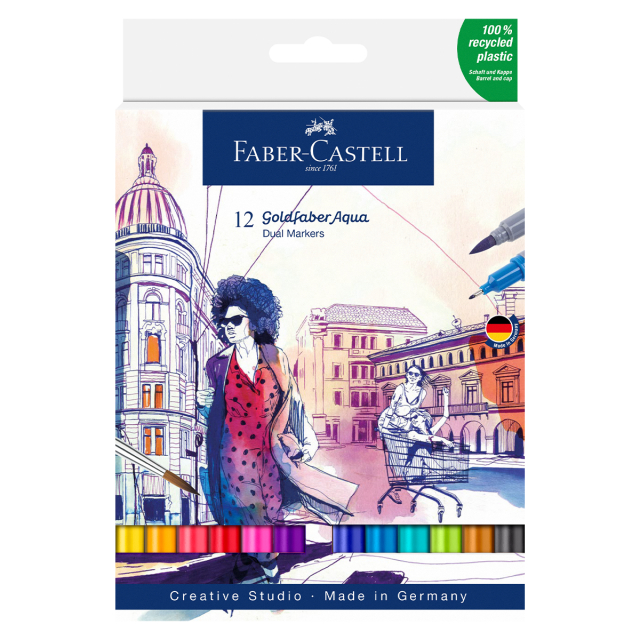
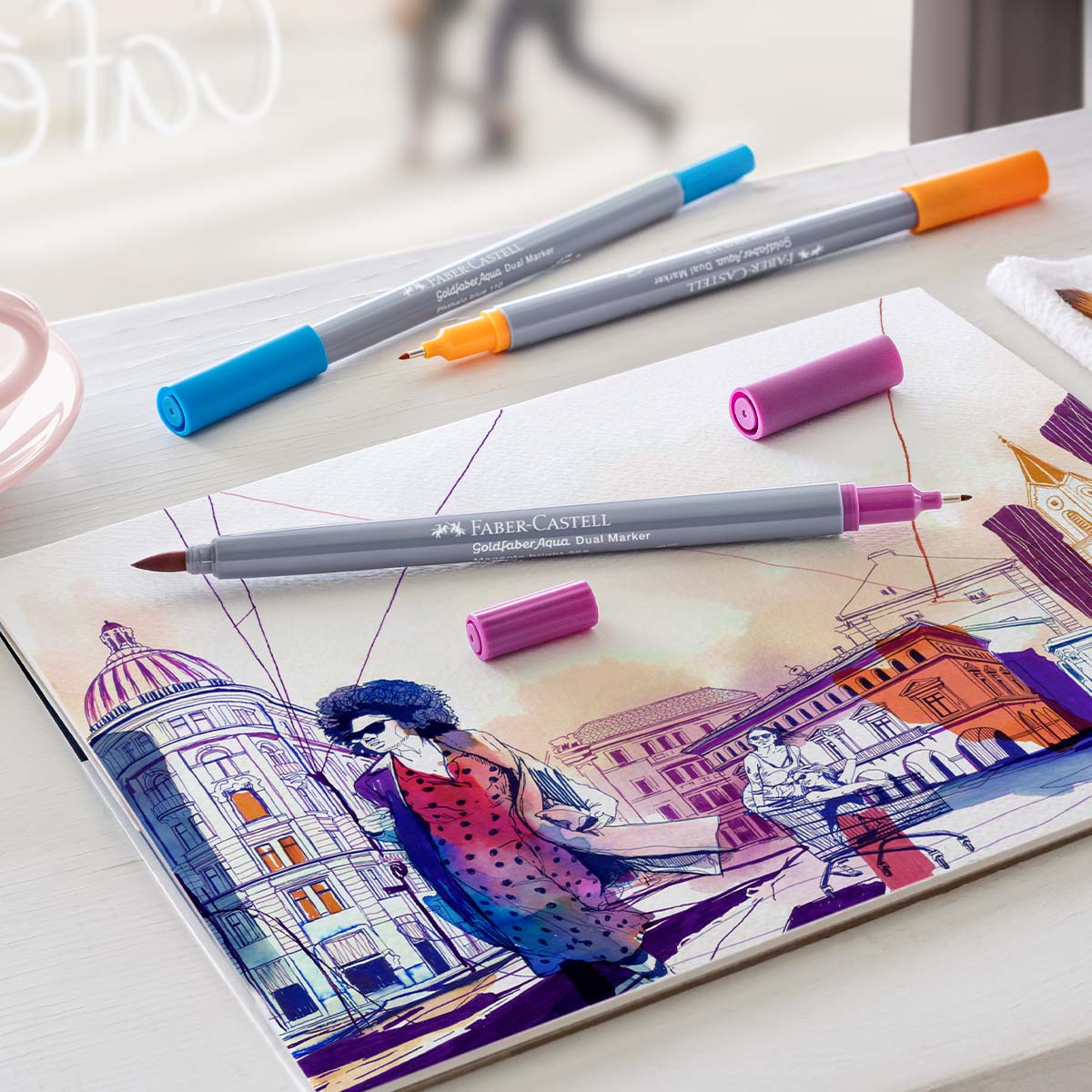
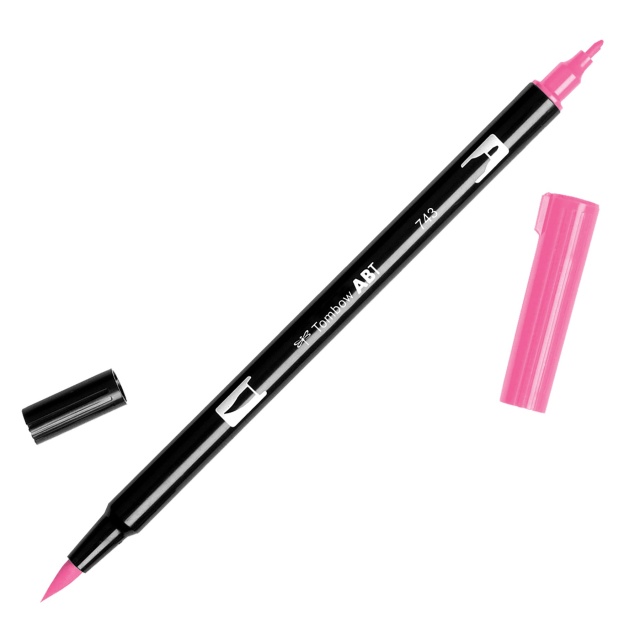
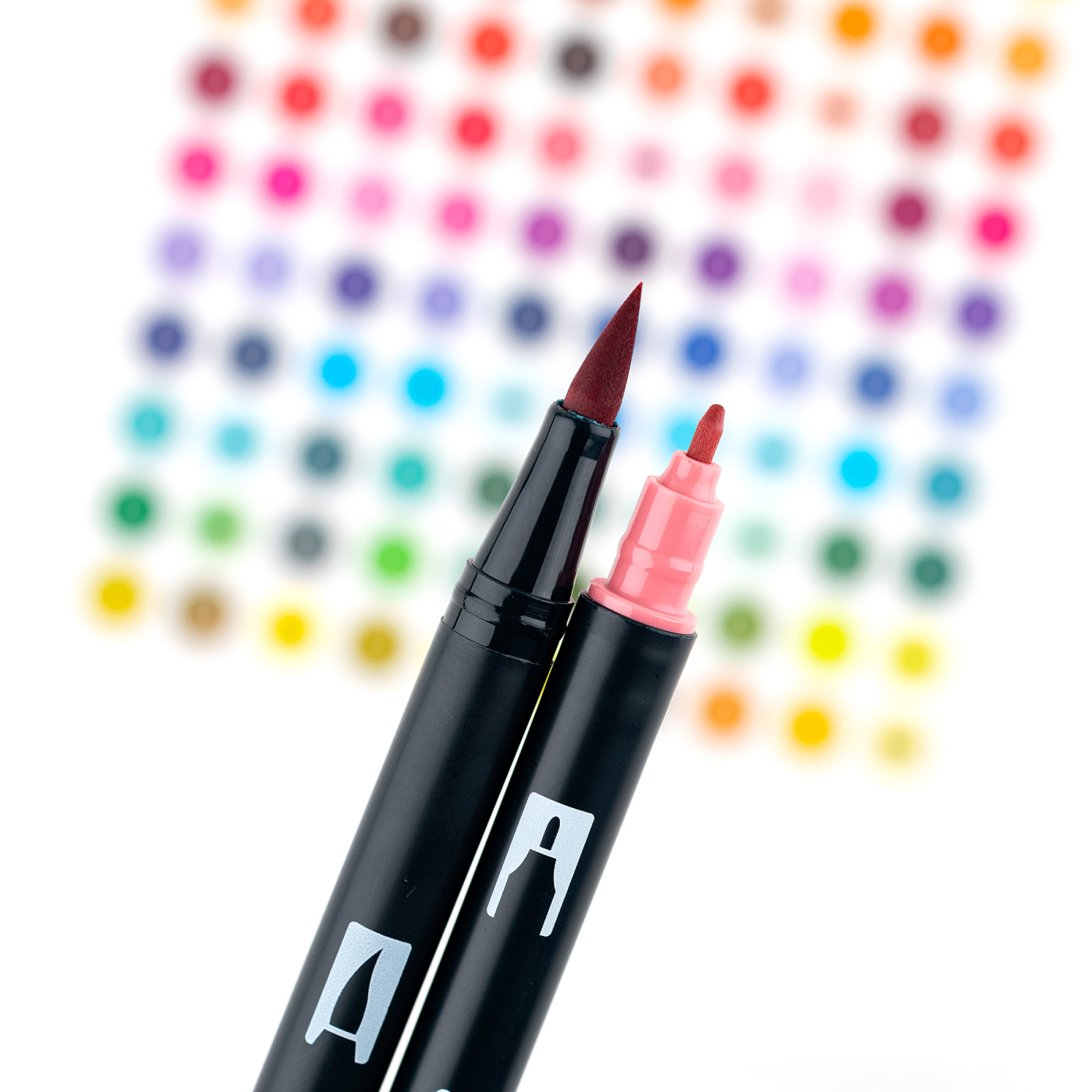
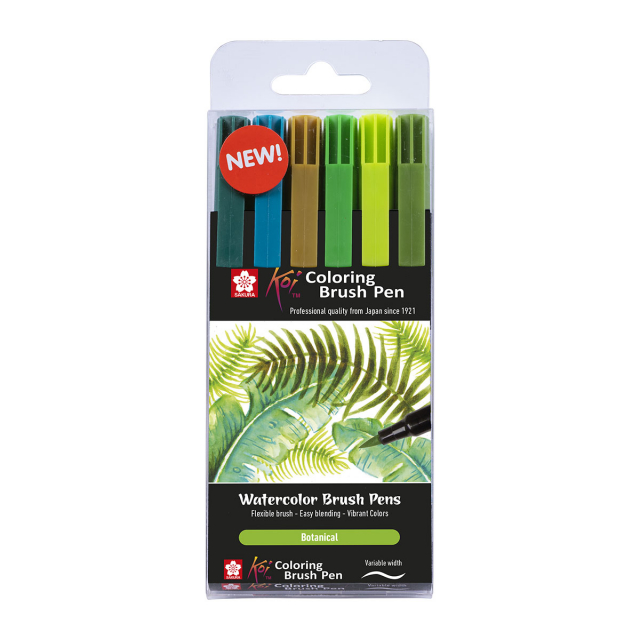
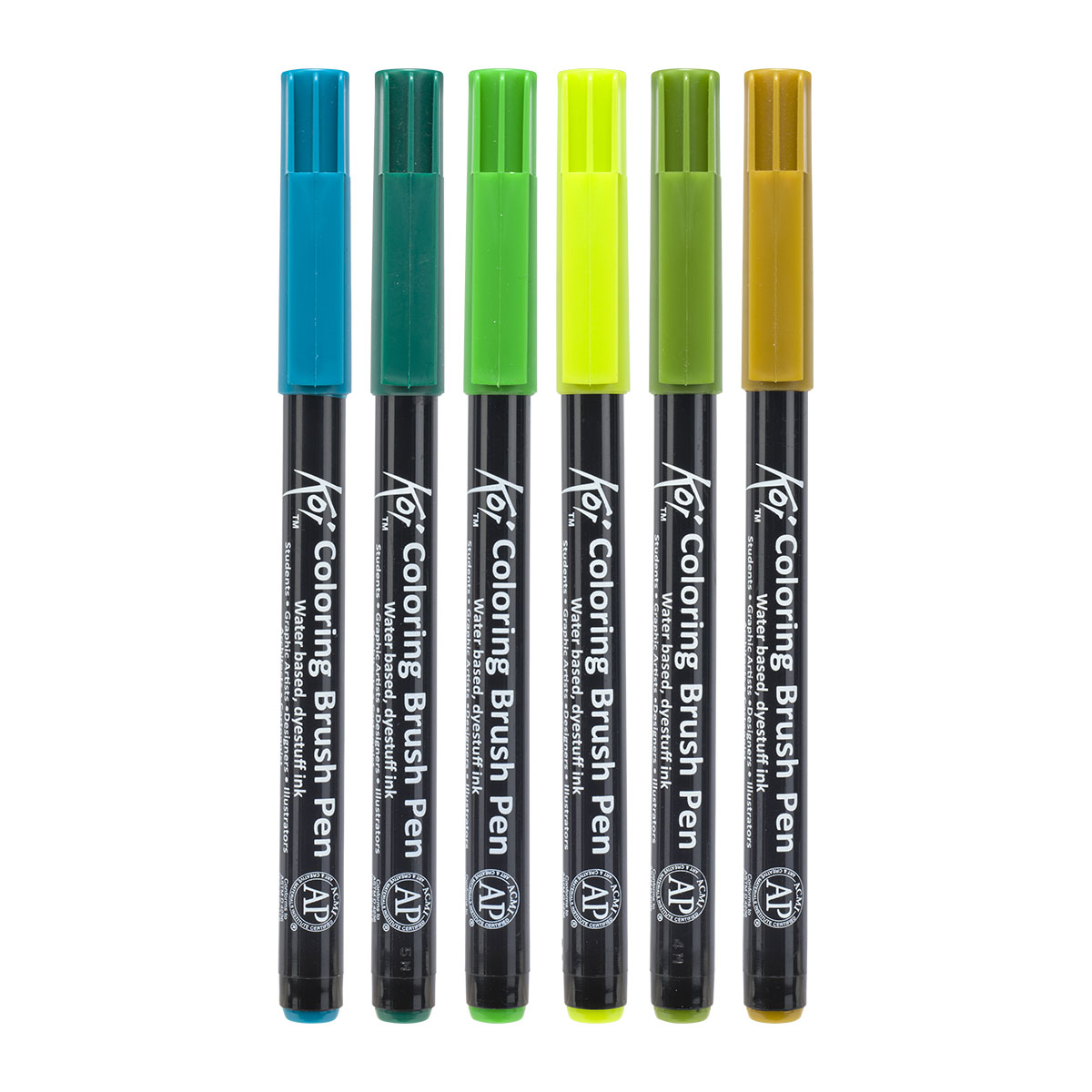
- Markers: for example watercolour markers or brush pens that are water-based and quick-drying.


Good to have in your bag
- Water bottle: if you use watercolours or pens that you want to dilute with water and a brush.
- Paper or cloth: always useful for drying your brush or absorbing excess water.
- Clip: unexpectedly useful when it’s windy and your sketchbook suddenly wants to cooperate with the wind instead of with you.
- Sit pad or small stool: not a must, but very comfortable if you want to sit for a while.
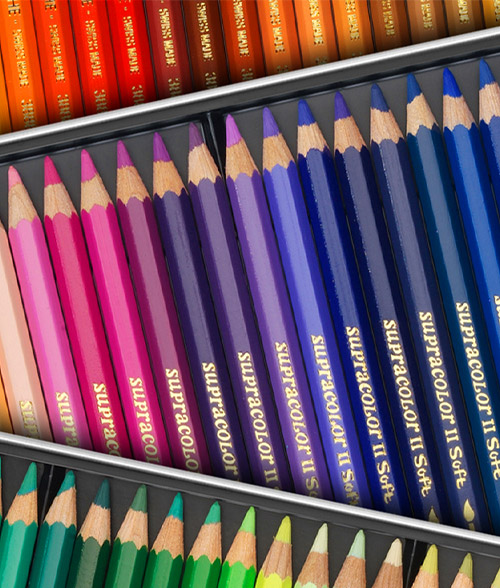
Remember that there are no rules for which materials you should use in urban sketching. Even though ink and watercolour are common alternatives, many people just as happily pack coloured pencils, crayons or other favourites. The most important thing is that you use something you enjoy and that makes it easy to actually get started.
Our best product tips for urban sketching →
How urban sketching works: step by step
Urban sketching doesn’t have to be more complicated than choosing a location, opening your sketchbook and starting to look. But if it feels a bit empty in your head when you’re sitting there, it can help to follow a few simple steps.
- Choose a place. It can be a café, a park bench, a street corner or the view from a train window. Preferably start with a place where you can sit reasonably comfortably.
- Decide what you want to capture. You don’t need to draw everything you see. Choose a building, a table, a door, a view or just a small detail that feels interesting.
- Start with the big shapes. Lightly sketch the basic form of the subject before going into details. Think big lines first, small windows and flower pots later.
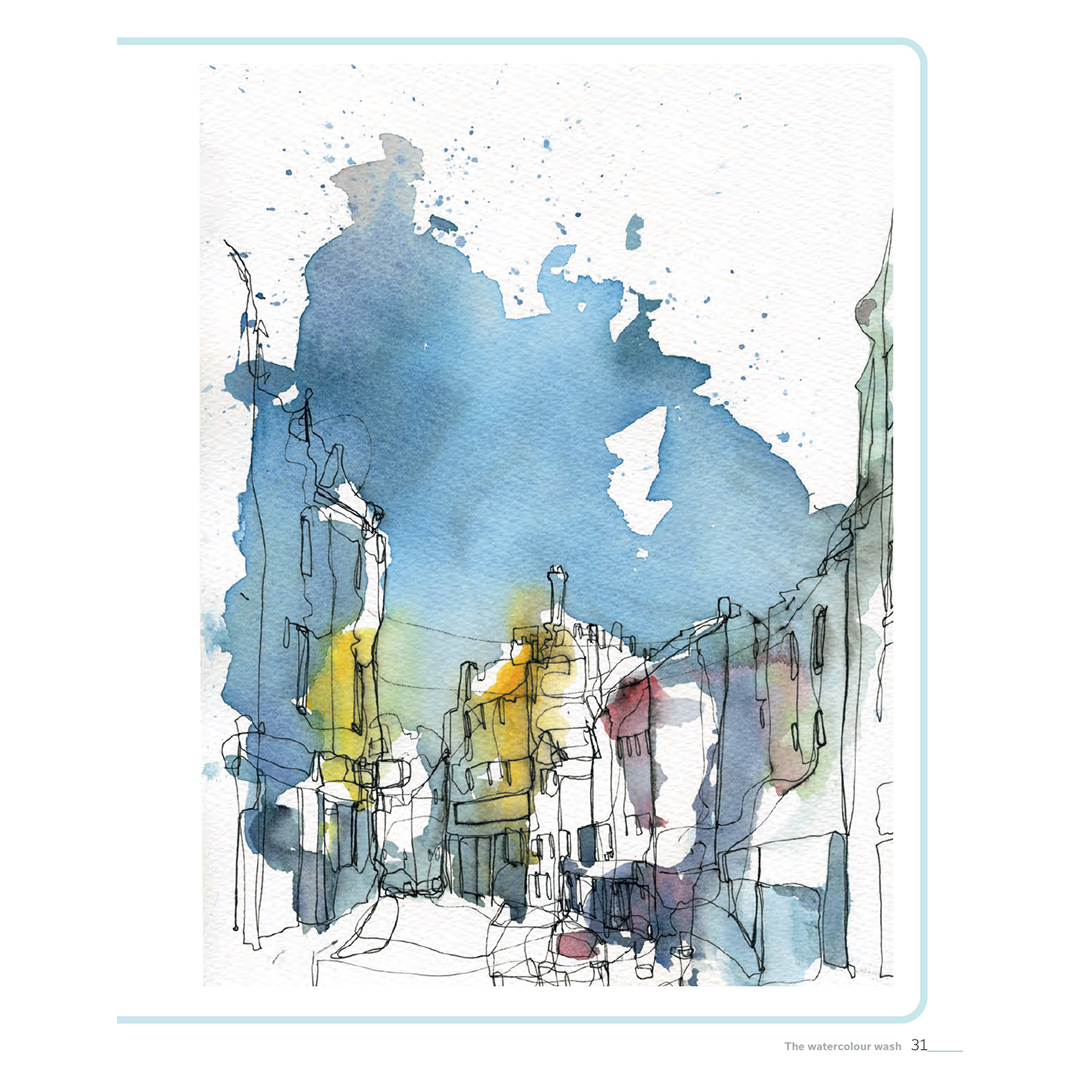
- Add lines and details. Fill in the most important parts with a fineliner, fountain pen or another favourite pen. Let the lines be a bit lively. It’s okay if it shows that your hand has been involved.
- Add colour if you want. With watercolours, markers, brush pens or coloured pencils you can quickly capture light, shadows and atmosphere.
- Feel free to write a few words. Date, place, weather, what you were listening to or a small thought from the moment makes the sketch even more enjoyable to return to later.
And remember: the sketch doesn’t have to be perfect. It just has to be made. Slightly wonky houses and people with mysterious proportions almost belong and create character.
A few tips along the way
- Skip the pencil and start directly with ink. It can feel scary, but it’s also freeing. When you can’t erase, you’re forced to let go of perfectionism and just keep going.
- Choose simple subjects to begin with. You don’t need to start with a whole street in three-point perspective. A door, a park bench, a café table or a window goes a long way.
- Set a time limit. Try sketching for 10 minutes. That way you don’t get stuck in all the details, but focus on what matters most.
- Bring fewer materials. A small kit makes it easier to get going. Too many choices can mean you end up organising pens instead of drawing. A classic creative trap.
- Draw often rather than for long. A quick sketch at lunch or during a journey does more for your development than waiting for the “right moment”.
- Dare to let it be imperfect. Urban sketching is about capturing a place and a moment, not getting every line exactly right.
Urban sketching isn’t about performing, but about discovering. So choose a place, sit down and see what happens. The rest will sort itself out along the way. Good luck!
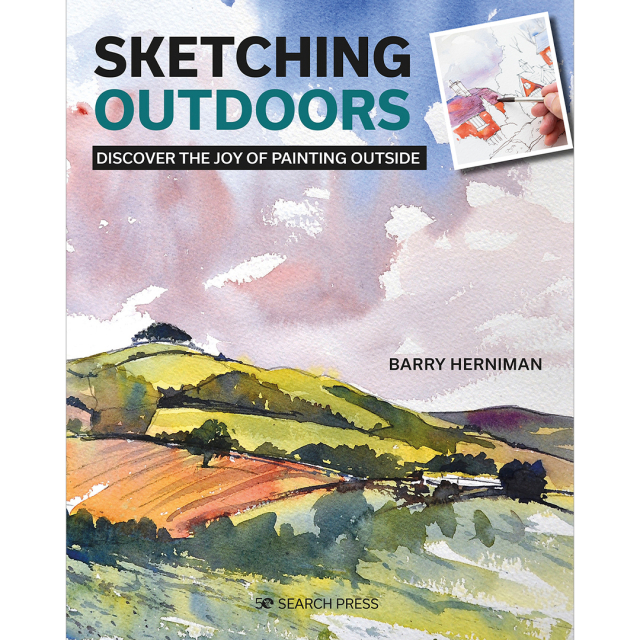
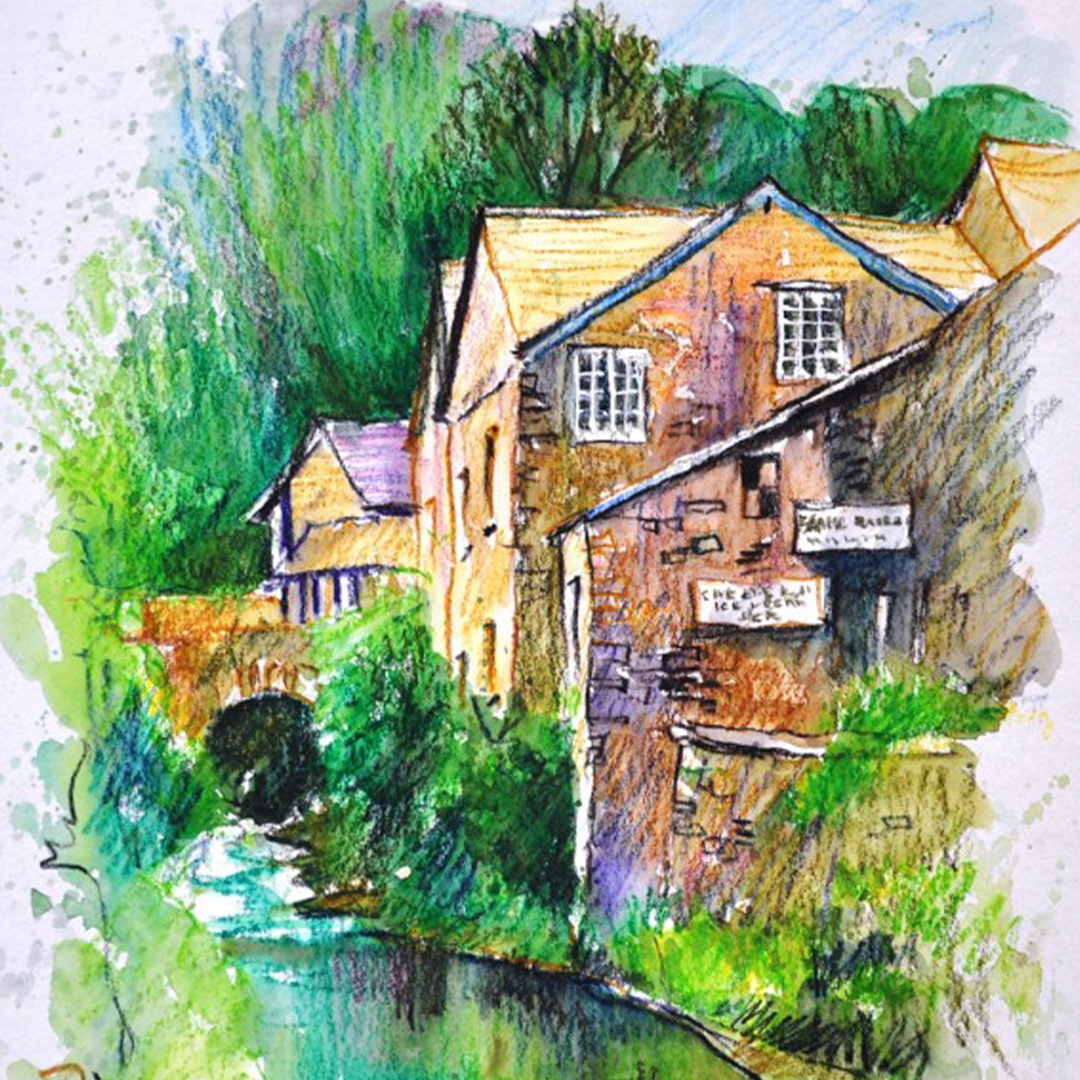
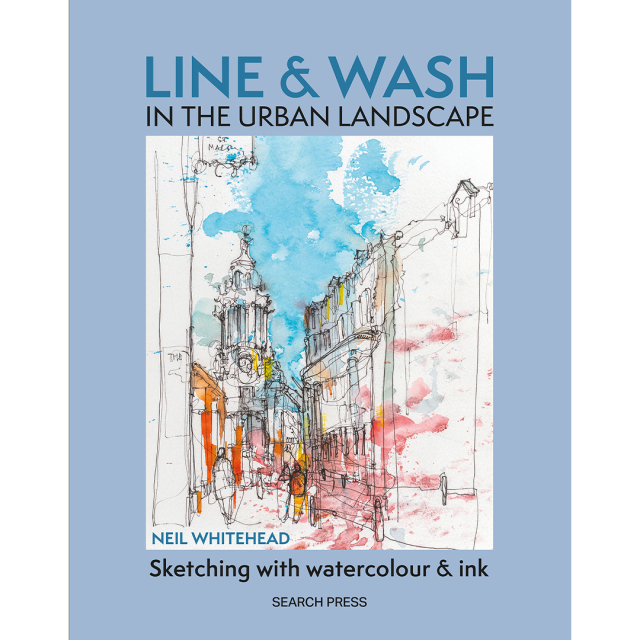

Sketch outdoors →
Fineliners →
Watercolour →