Ireland (EUR)

Learn the basics of lettering together with Staedtler! Staedtler has created a series of educational videos that guide you step by step through the fundamentals of lettering. In addition to the videos, they have also developed practice sheets that you can download and print to practise and explore different styles and shapes. You will learn the most important lettering techniques, which materials you need to get started, and how to experiment with different fonts and styles.
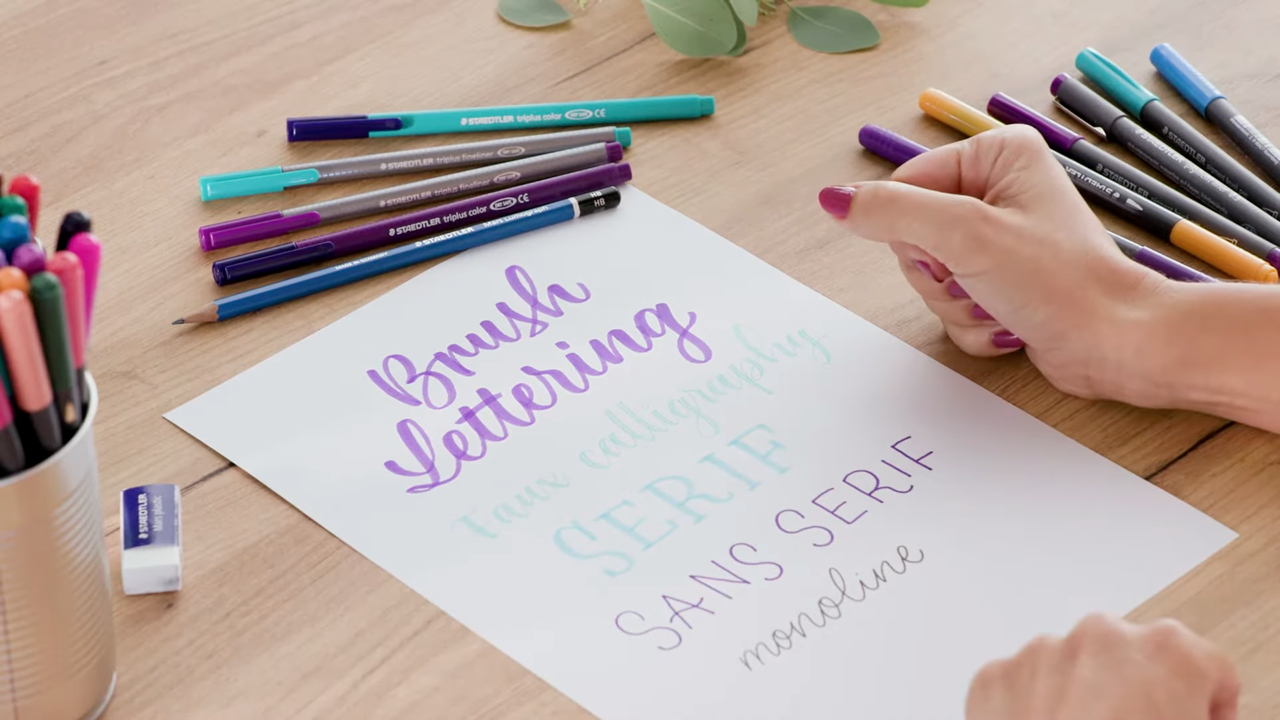
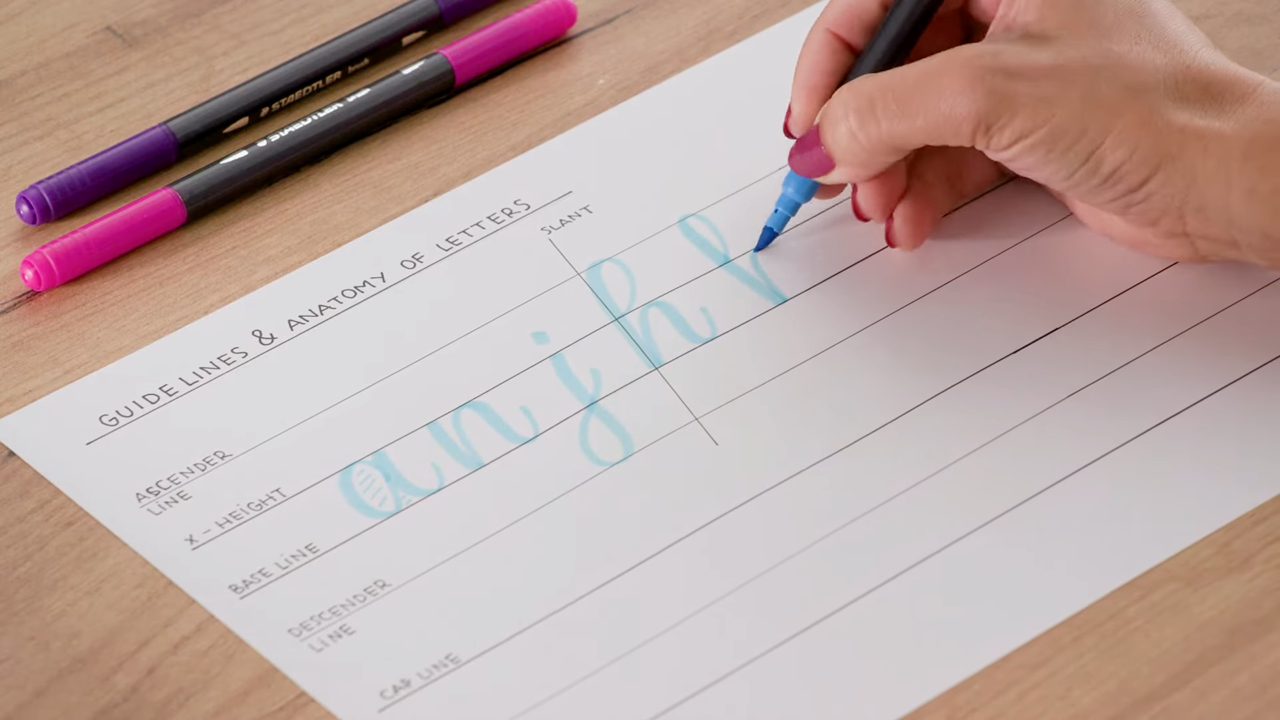
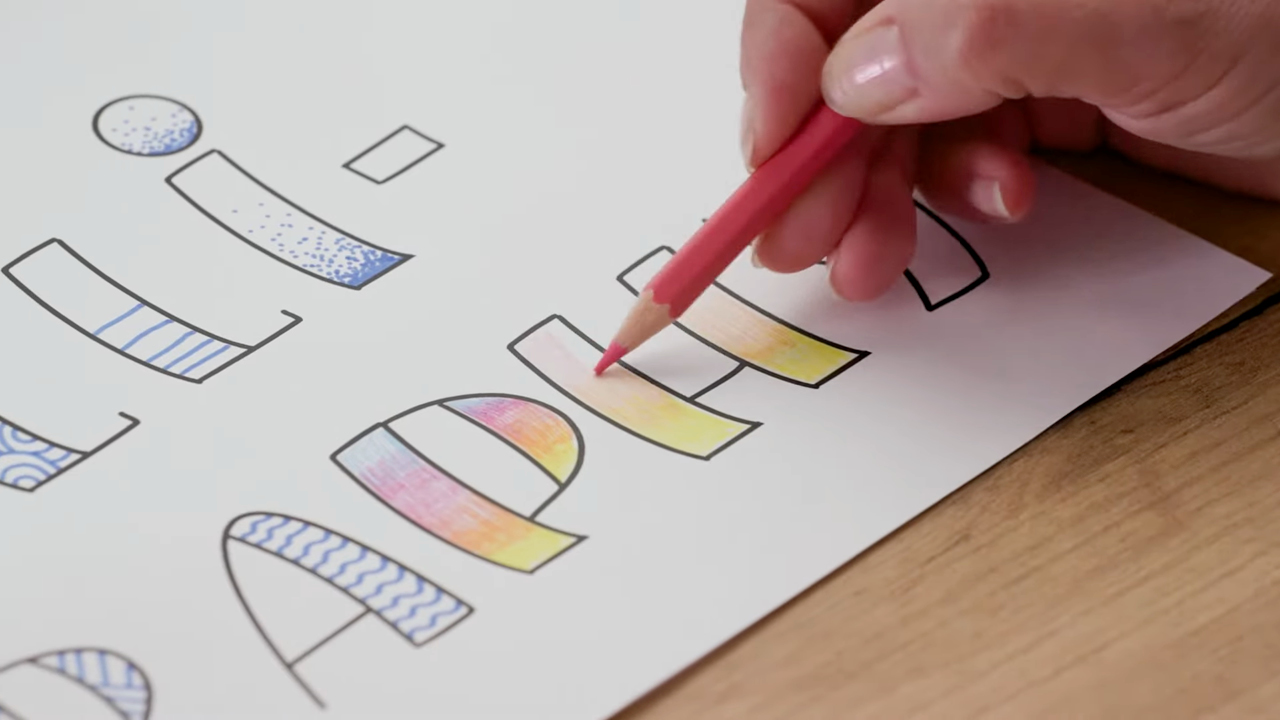
In hand lettering, the letters are carefully drawn and embellished by hand. You can create different fonts in a wide range of styles depending on the angle of the strokes, the line width, the guidelines and the horizontal strokes. In this guide, you will learn the techniques behind brush lettering, faux calligraphy, serif and sans serif, as well as monoline lettering.
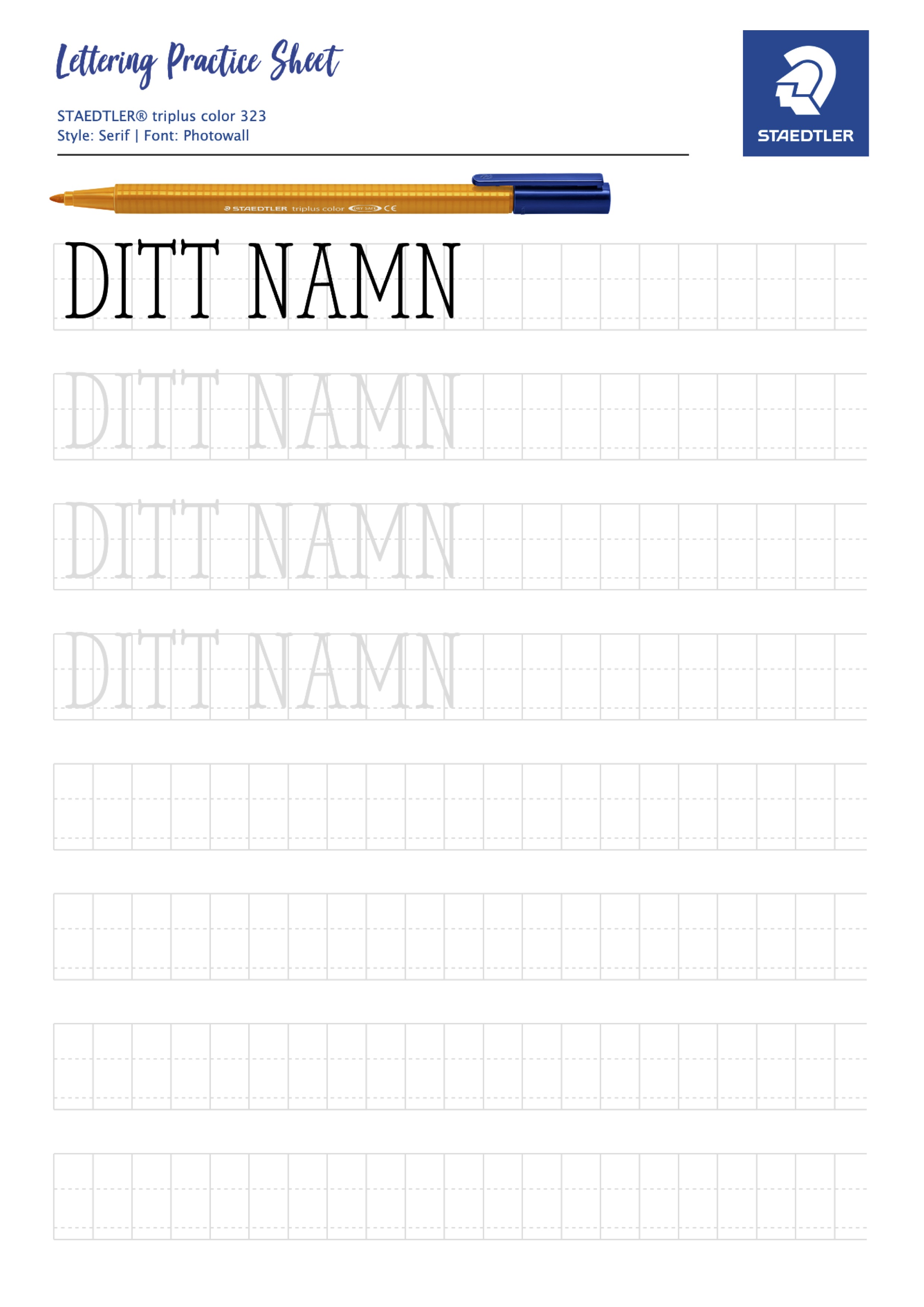
Download practice sheets and templates
To make practising lettering even easier, Staedtler has developed a tool called the Digital Hand Lettering Generator. With this tool, you can practise every letter of the alphabet in both lowercase and uppercase. Choose from a variety of fonts and styles. You can even enter your own text to generate templates with complete words that you would like to practise. Then download the practice sheet as a PDF, ready to print at home.
Turn on the sound on your computer or mobile phone, grab some paper and a pen, and start practising! Scroll down to learn more about four different types of lettering.
Brush Lettering for Beginners
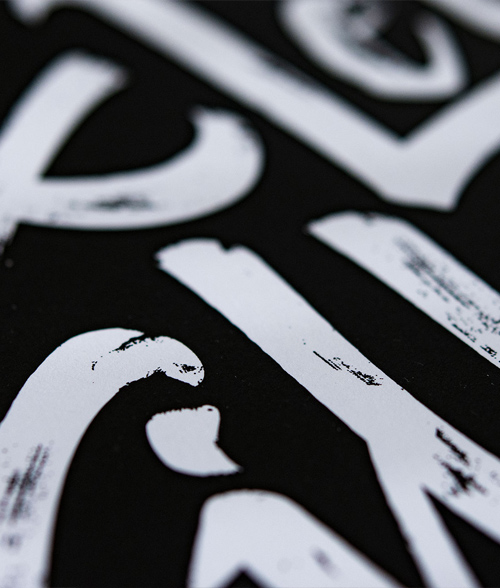
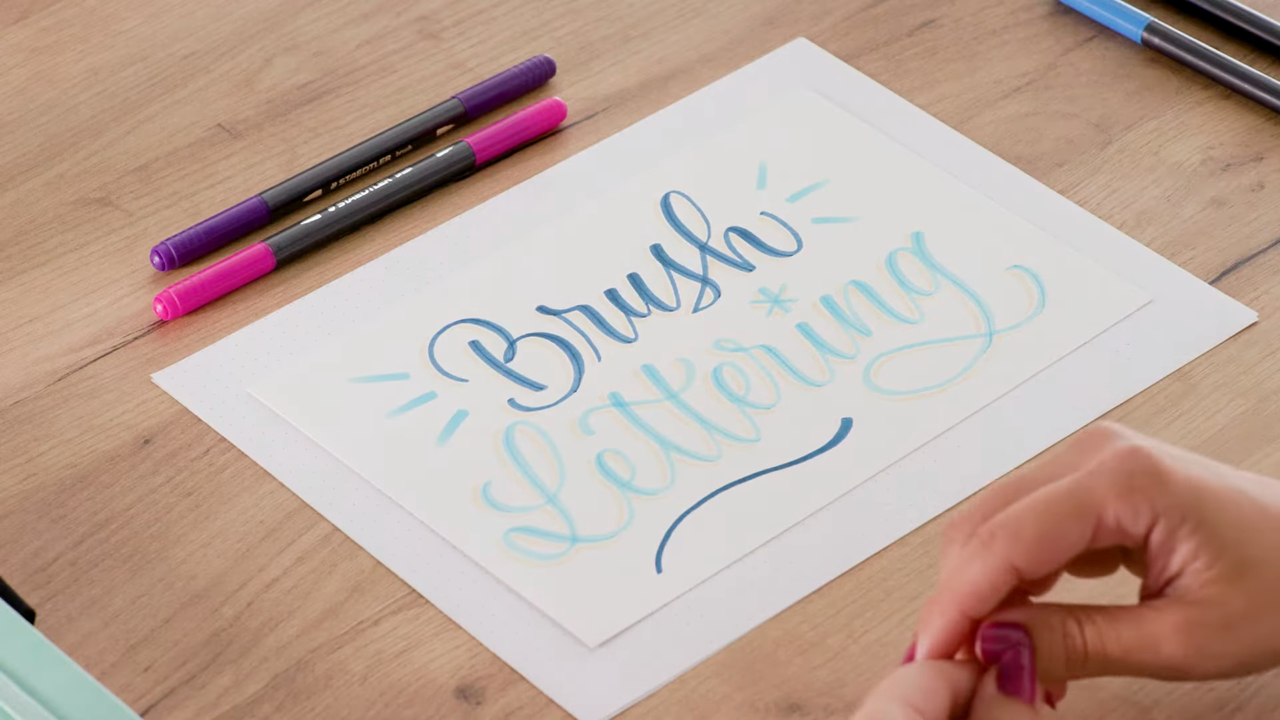
Brush lettering is one of the most popular forms of lettering, using brush pens or brushes to create letters. What characterises brush lettering is the ability to vary the pressure on the pen to create both thin and thick lines, giving the letters a dynamic and lively appearance.
When moving the pen upwards with light pressure, the lines become thin, while downward strokes with more pressure become thick. This creates a contrast that gives the letters an elegant and artistic look. Brush lettering is popular for writing quotes, creating cards or posters, and is often used in modern typography and design.
Here’s how to get started, watch the video here (YouTube) →
Download practice templates here:

Faux Calligraphy for Beginners
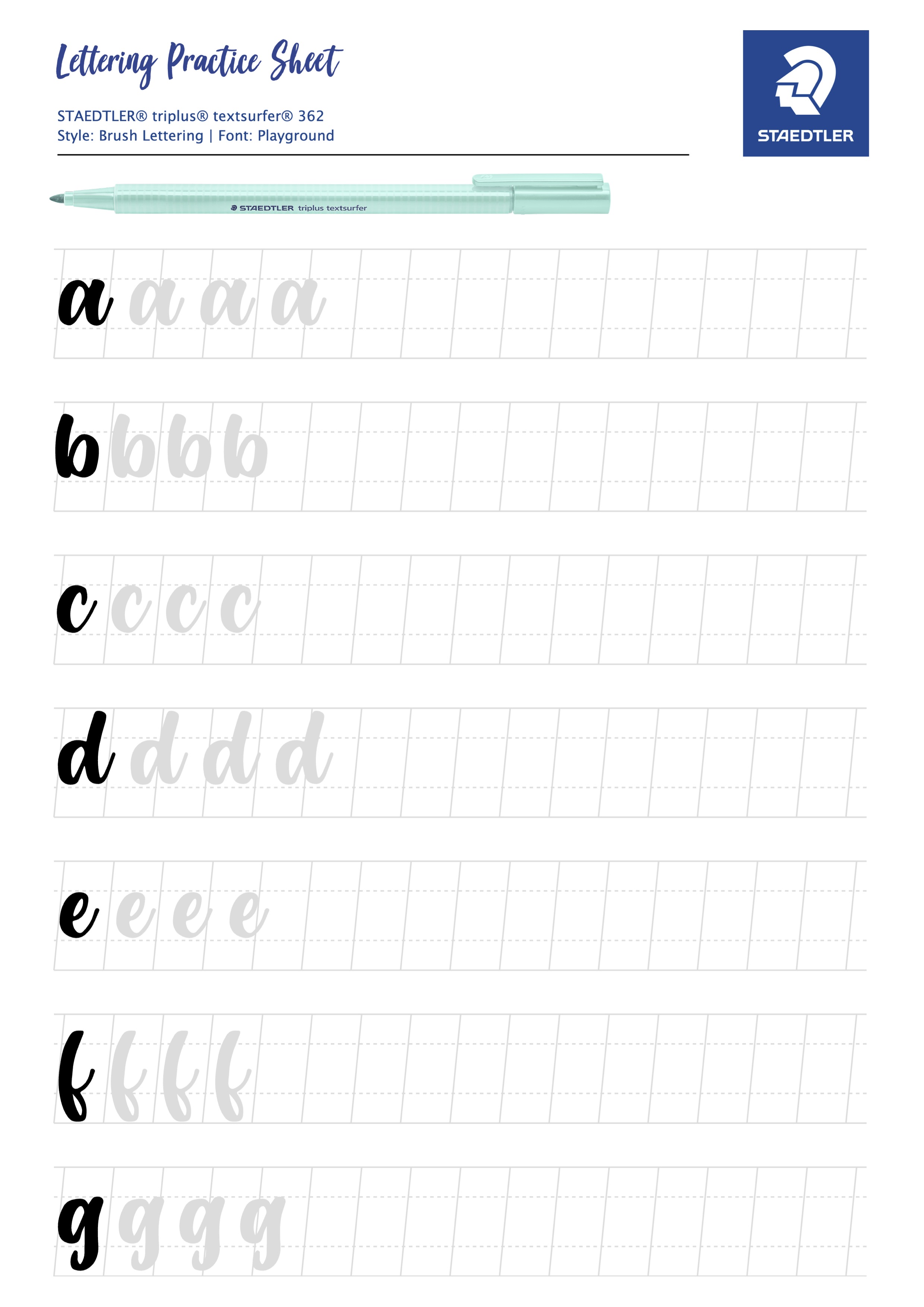
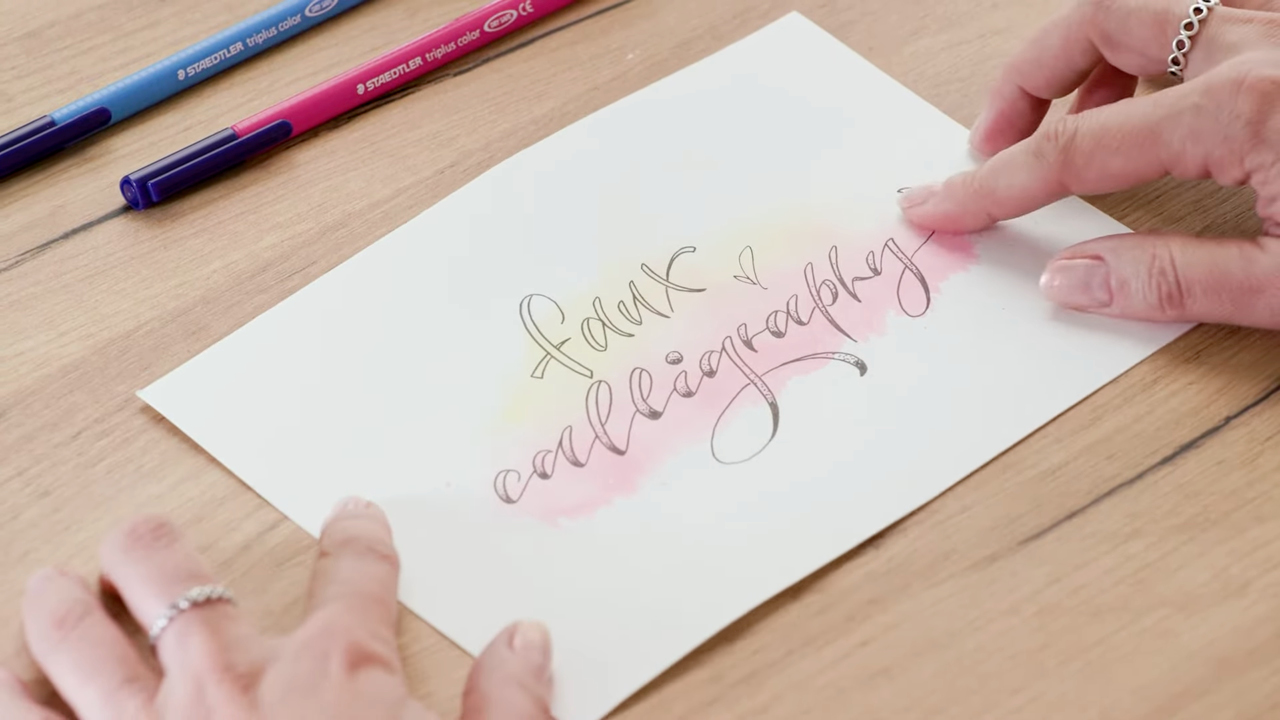
Faux calligraphy is a hand lettering technique where letters are created to resemble brush lettering, but without using traditional brush pens or calligraphy pens. Instead, ordinary pens such as fineliners, gel pens or pencils are used to draw the letters. The technique involves first writing the letters normally and then adding extra thickness to the downward strokes, mimicking the look achieved with calligraphy.
It is a popular way to achieve a calligraphy-style look without needing to master more advanced techniques. It also gives you greater freedom to embellish the letters, as you have full control over their width. Faux calligraphy is especially popular among beginners because it does not require any special tools to shape the letters.
Download practice templates here (Hand Lettering Creator) →
Monoline for Beginners
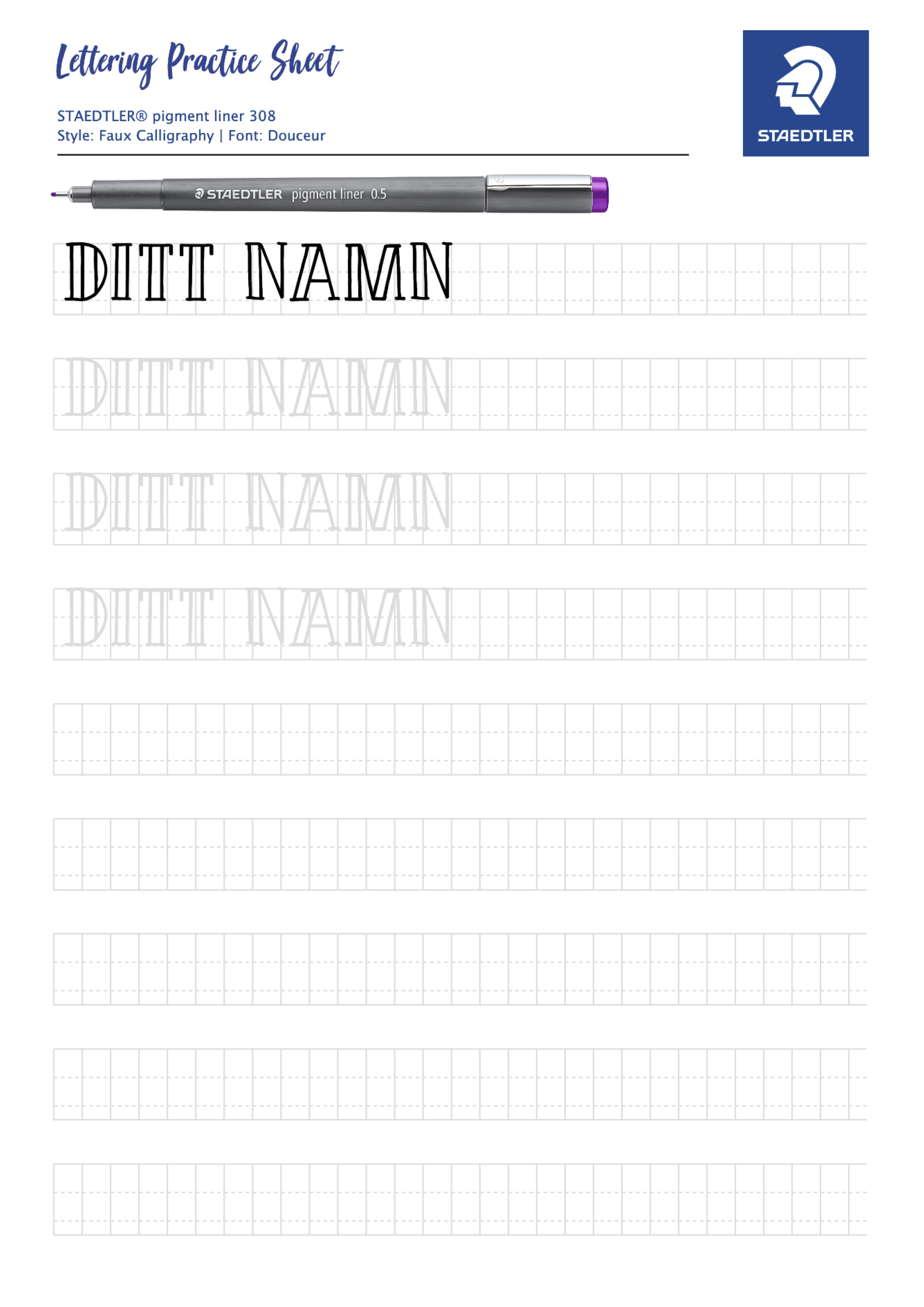
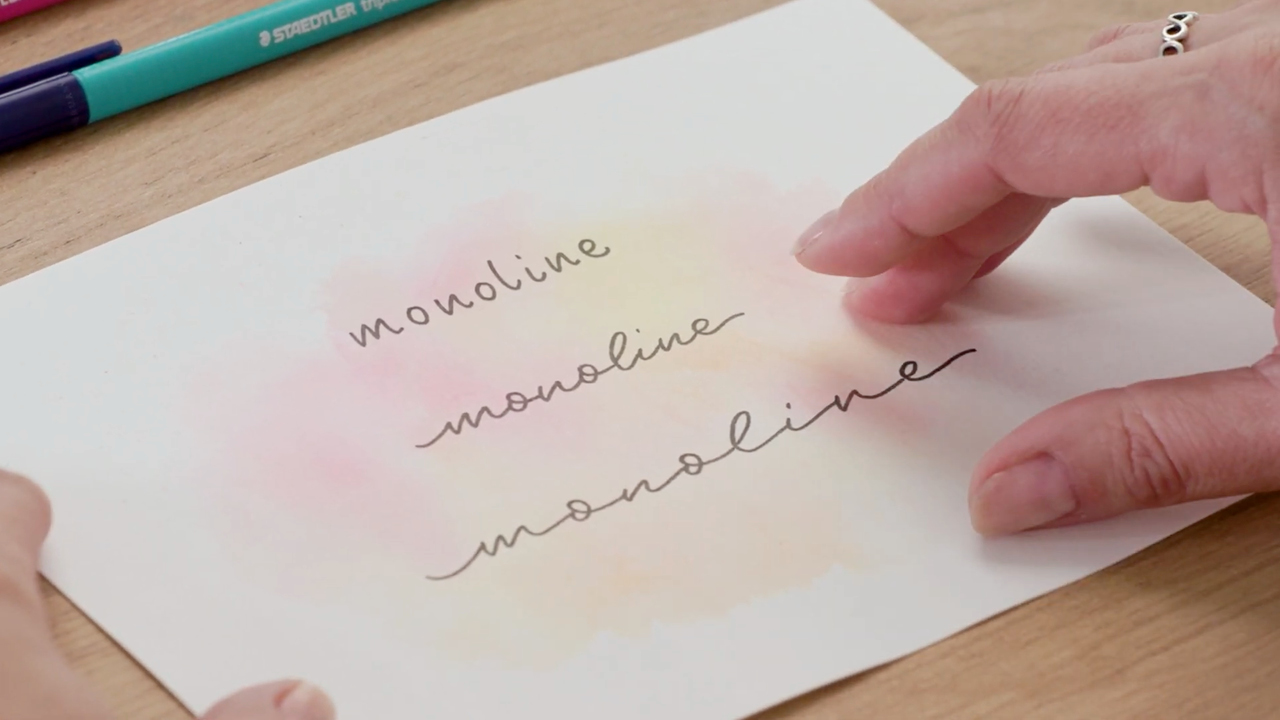
Monoline is a style within hand lettering where all lines in the letters have the same width, regardless of whether they are upward, downward or horizontal strokes. In contrast to styles such as brush lettering, where the line width varies depending on the pressure applied to the pen, the monoline style maintains a consistent line width throughout the entire letter.
This style creates a clean and minimalist look, often used in modern and simple design. Monoline can be created using pens such as fineliners, ballpoint pens or other tools that do not alter the line width based on pressure. It is a popular style for text that should be clear and easy to read, and it is often used in logos, graphics and various forms of typography.
Here’s how to get started, watch the video here (YouTube) →
Download practice templates here (Hand Lettering Creator) →
Serif / Sans Serif for Beginners
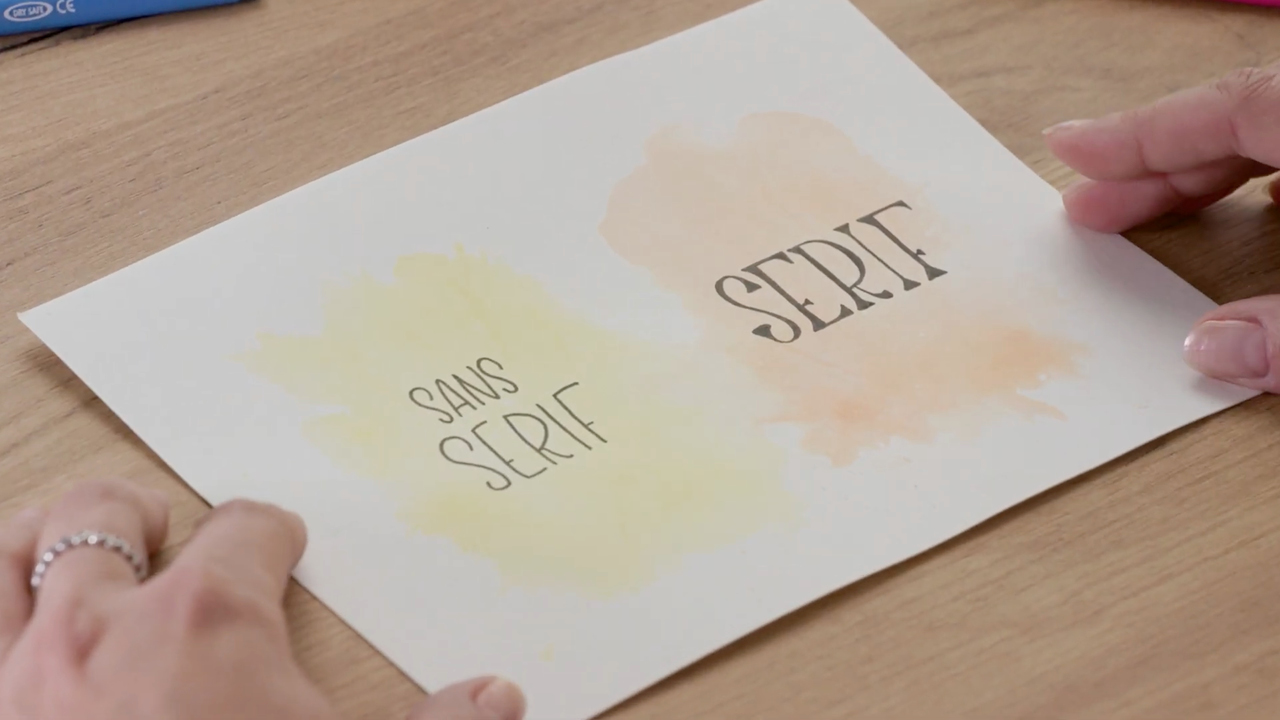
Serif and sans serif are two fundamental styles within typography and hand lettering that differ in the way the edges of the letters are designed.
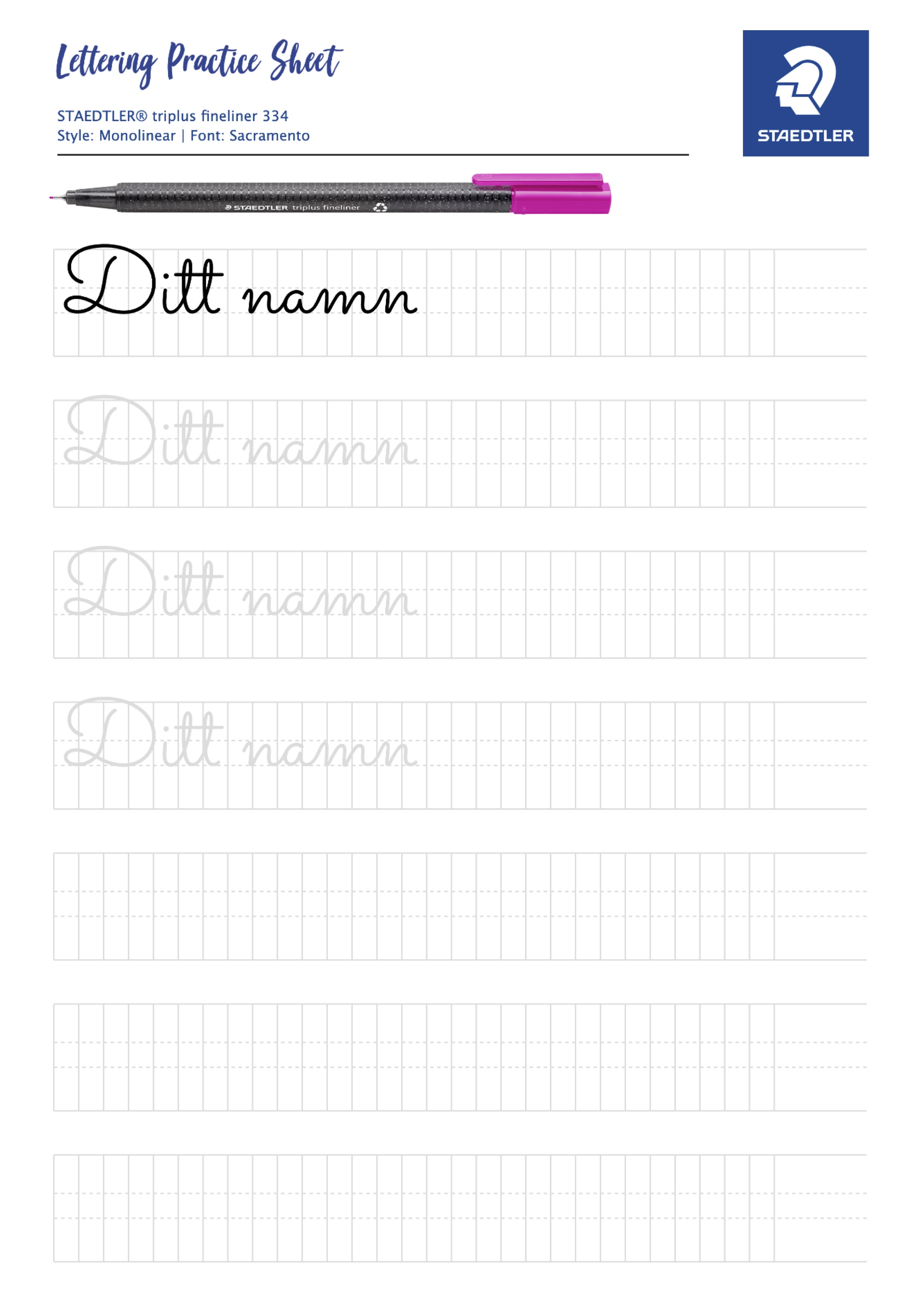
Serif typefaces are characterised by small lines or “feet” added to the ends of the letters. These lines, known as serifs, give the letters a more traditional and classic appearance. Serifs help guide the eye along the text and can create a more formal or elegant impression.
Sans serif typefaces lack the small lines at the ends of the letters, resulting in a cleaner and more modern appearance. “Sans” means “without” in French, so sans serif literally means “without serifs”. Sans serif typefaces are often used in contexts where clarity and simplicity are important, such as digital media and minimalist design.
Here’s how to get started, watch the video here (YouTube) →
Which pens are suitable for beginners in lettering?
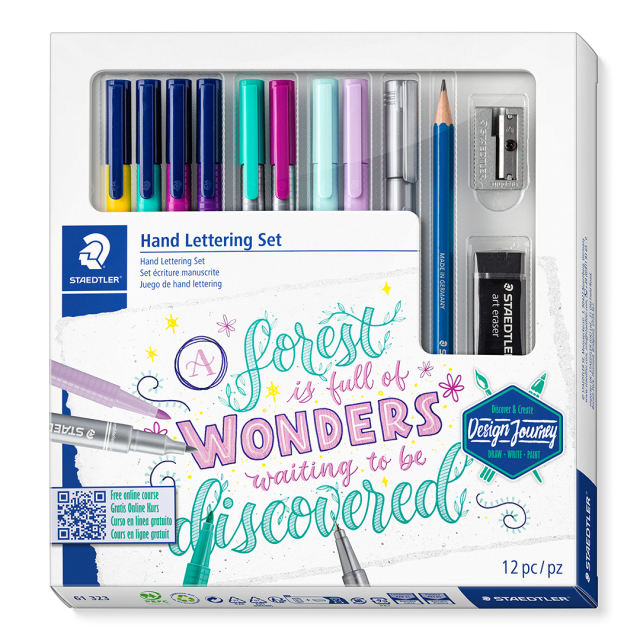
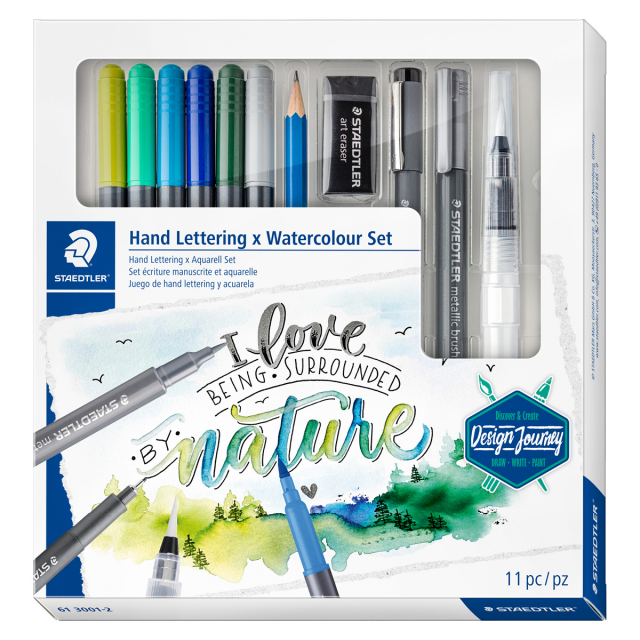
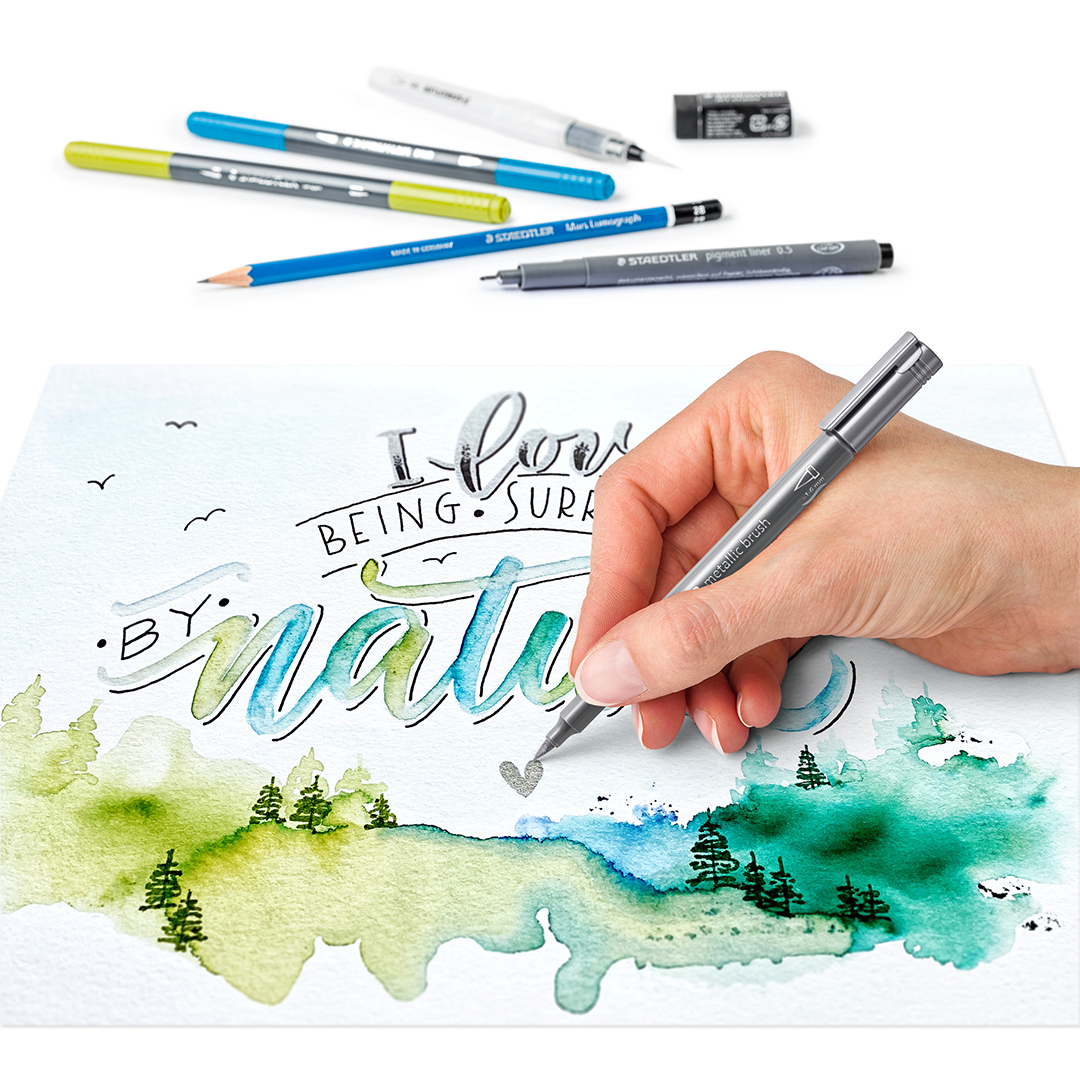
For beginners in lettering, there are several types of pens that are particularly suitable depending on the style you want to work with.
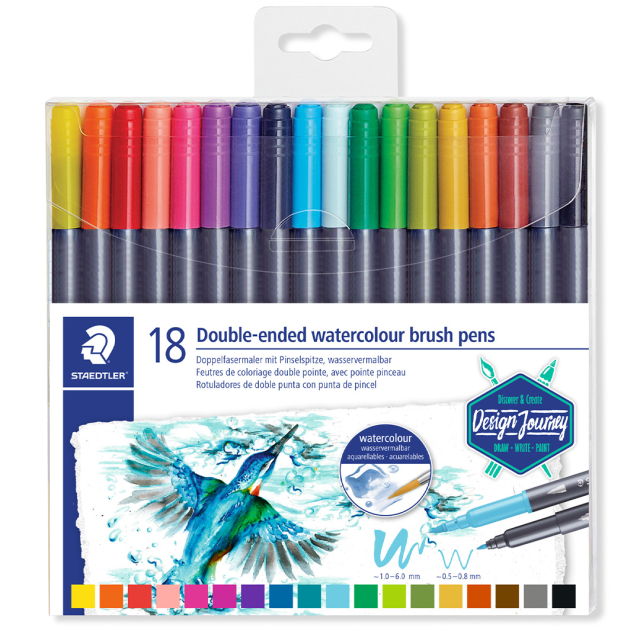
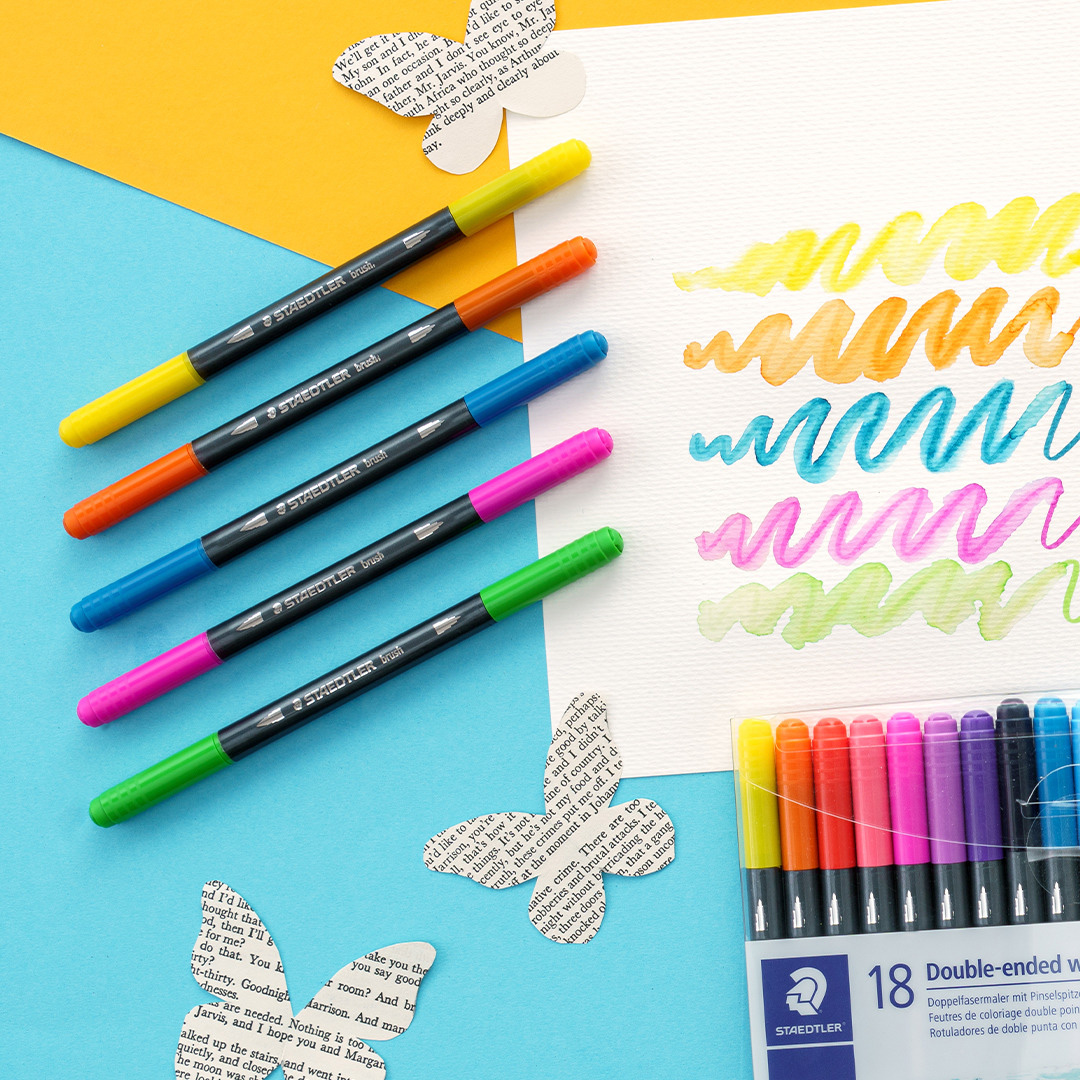
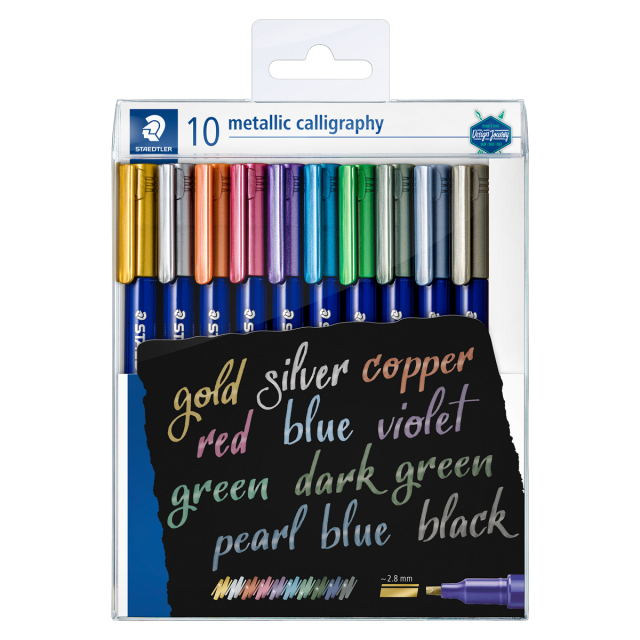
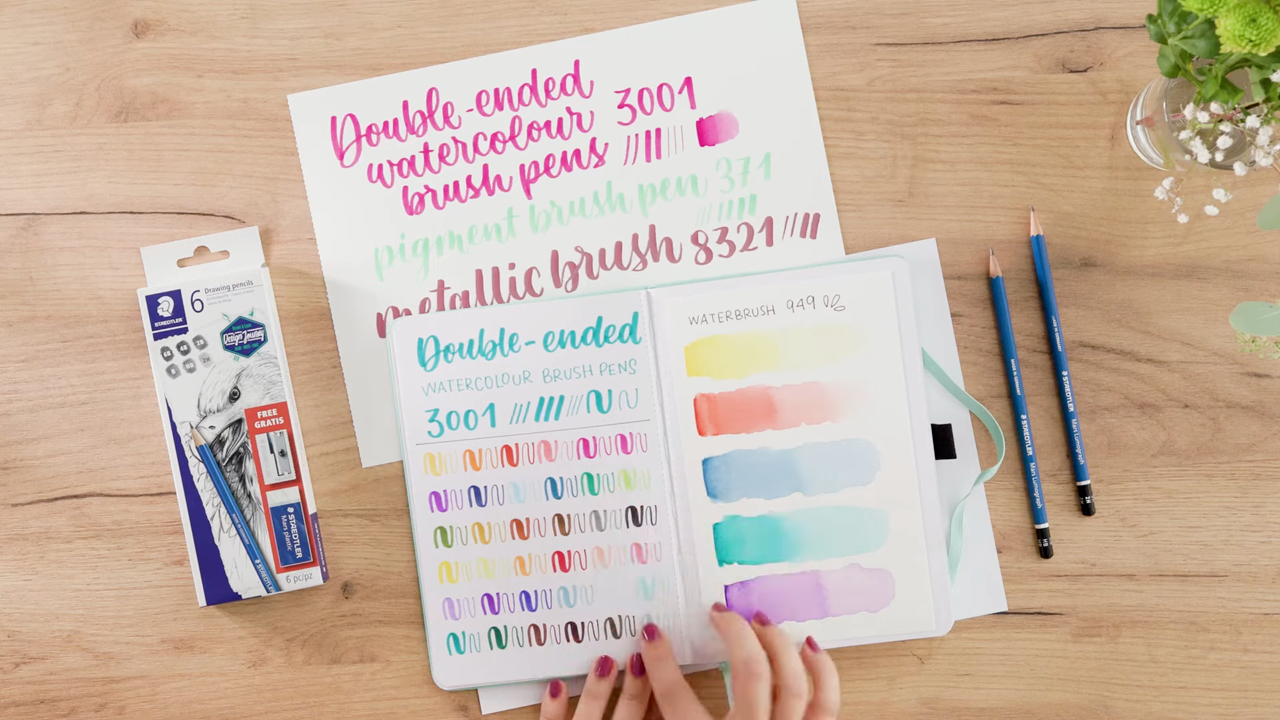
Brush pens are the pens most people associate with lettering. These pens are characterised by a flexible tip that resembles a brush. Depending on how much pressure you apply, you can create thinner or thicker lines. If you press firmly, the line becomes quite thick. Brush pens are therefore ideal for the popular brush lettering style as well as for certain serif and sans serif typefaces.
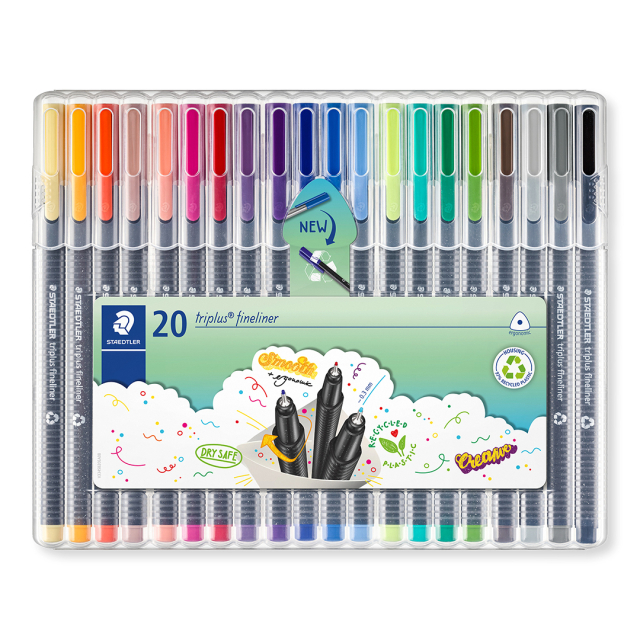
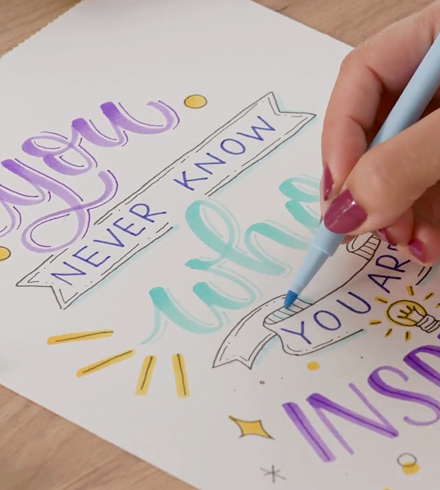
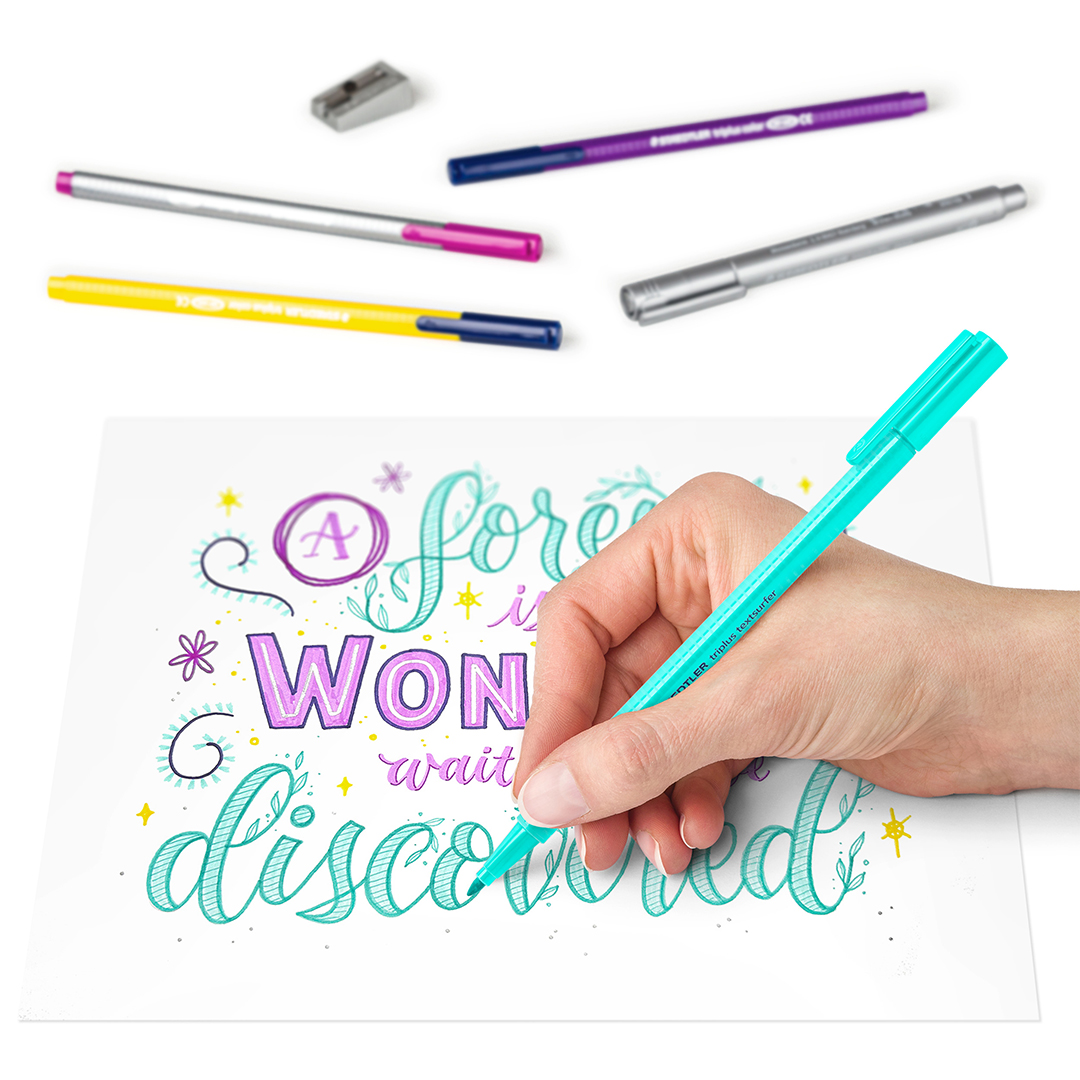
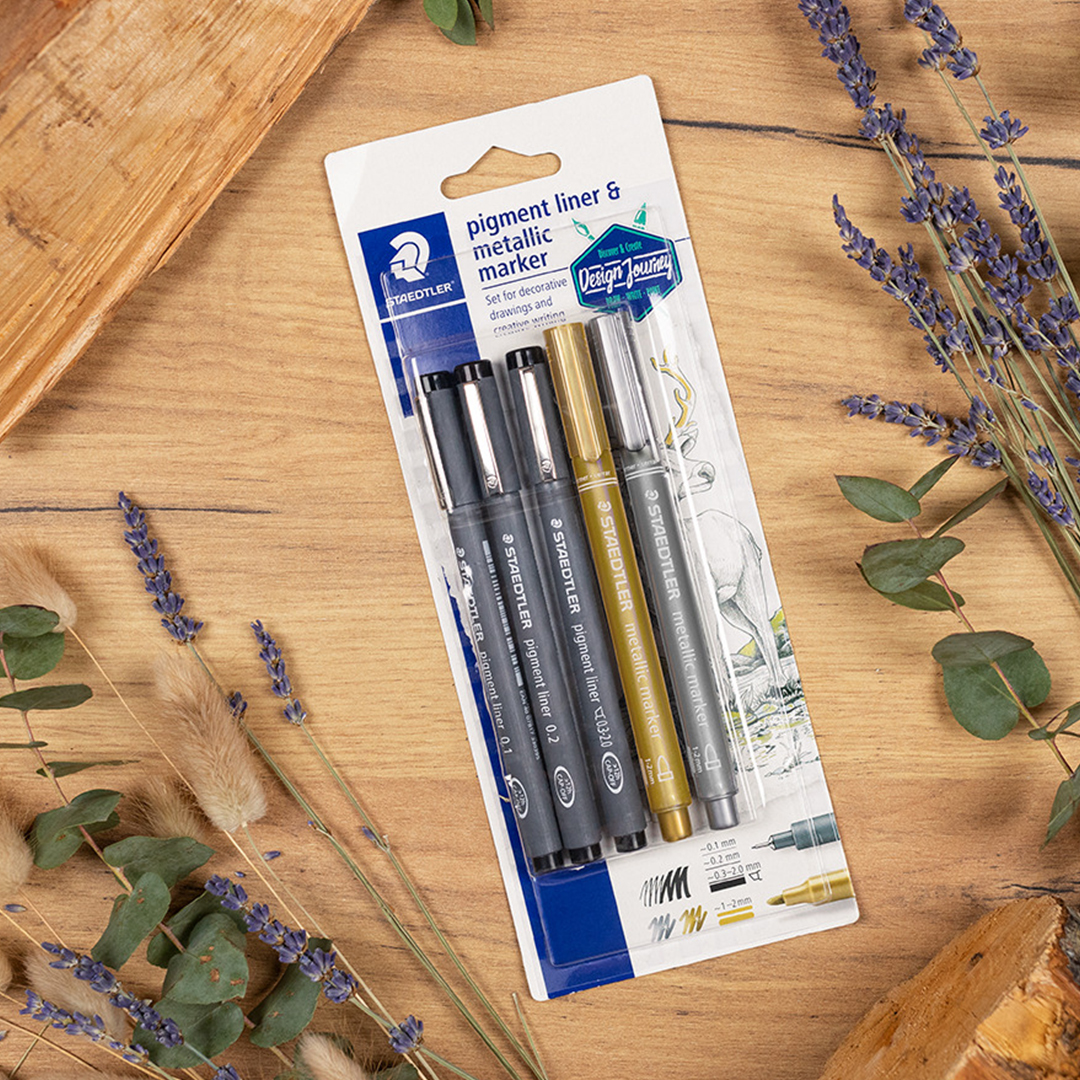
Fineliners are also a popular option. Fineliners are a great choice if you want to work with monoline, faux calligraphy, serif or sans serif typefaces, as the tip creates a consistent line width. You can also use them to decorate letters and add lines, shadows and small illustrations. Fineliners are available in a wide range of colours and tip sizes to explore.
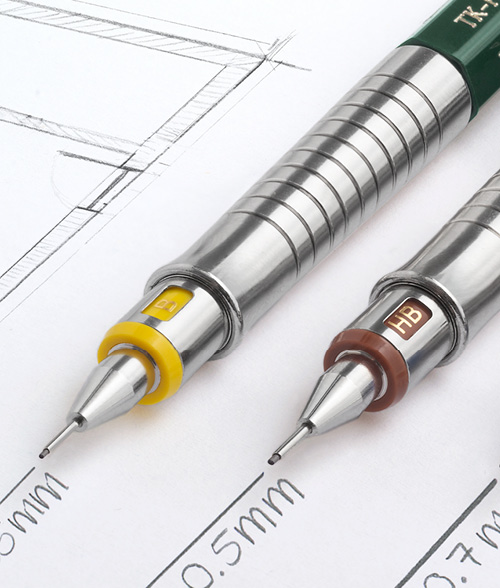
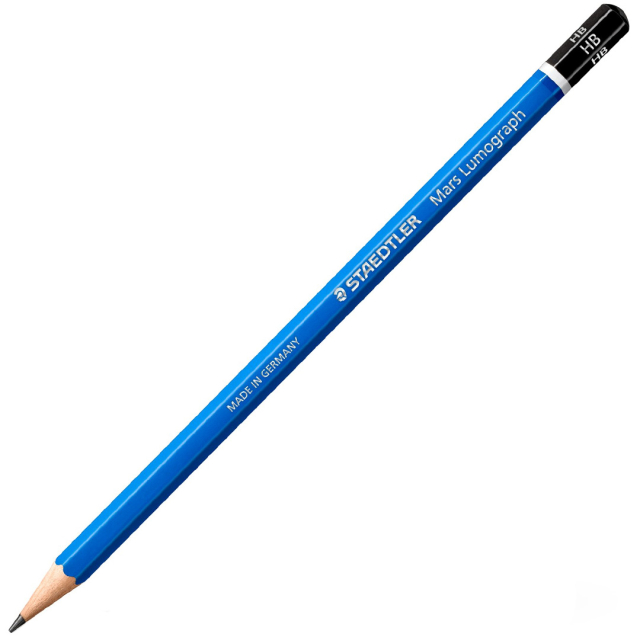
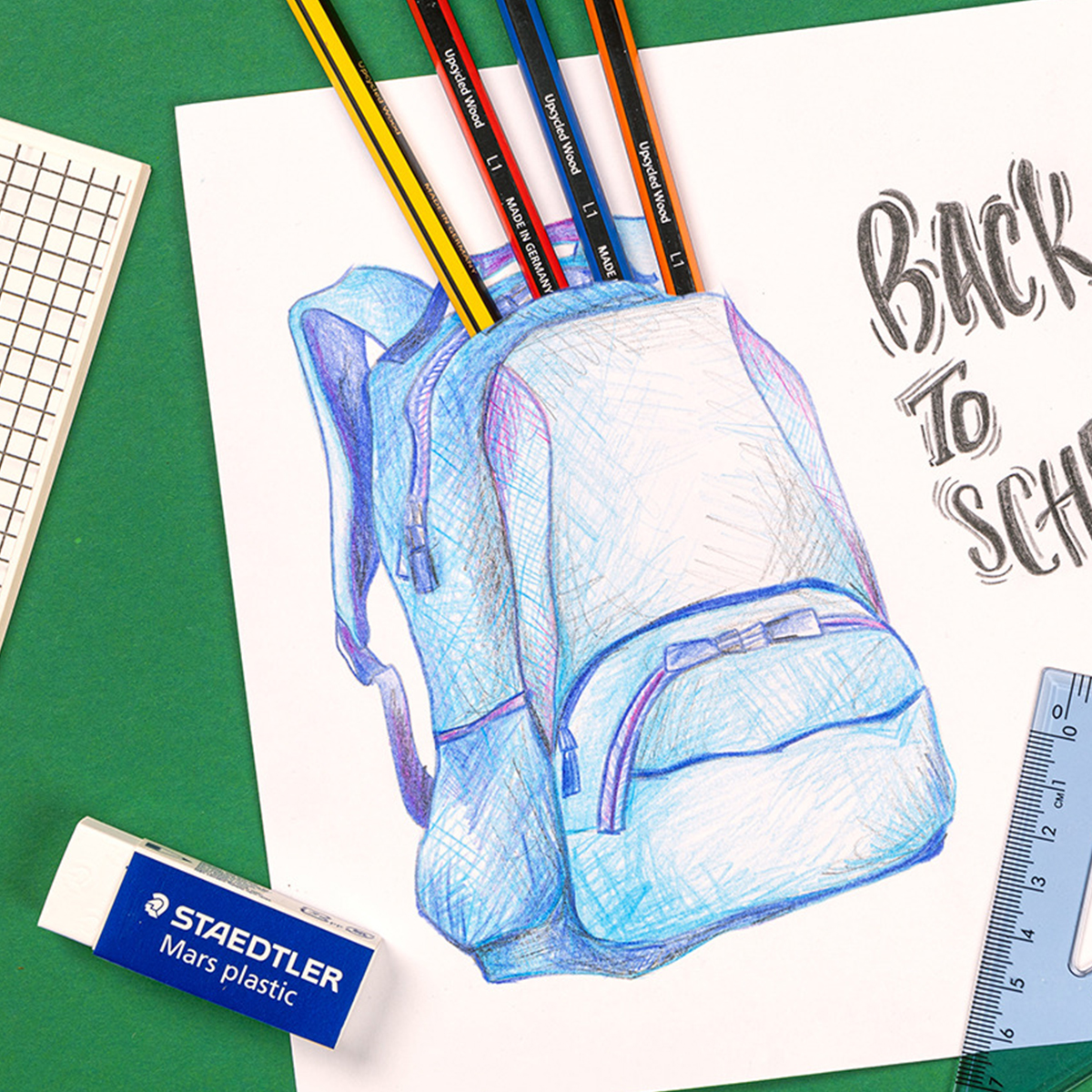
A classic pencil is part of the basic toolkit. You can use it to sketch individual letters, guidelines and decorative elements - which can easily be erased afterwards. You can also create hand lettering entirely with a pencil. In that case, we recommend using a pencil with an HB or 2H hardness grade, as this allows you to create particularly fine lines.
Materials that can be useful to have:
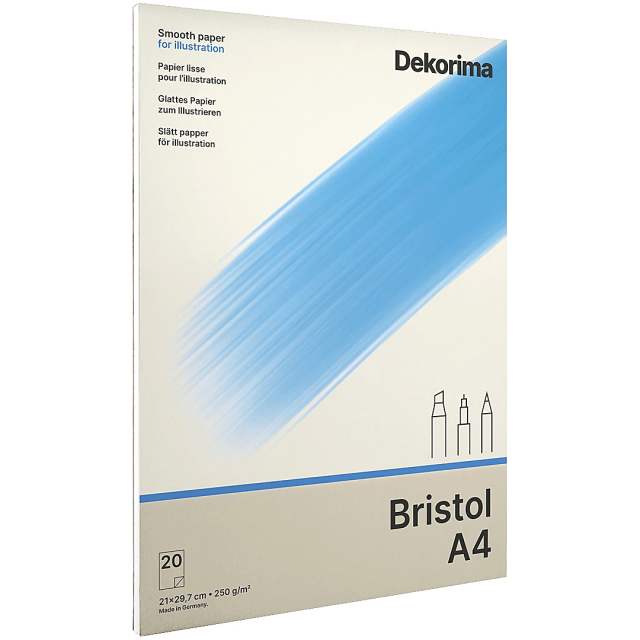
Smooth paper: Smooth paper such as marker paper is best suited for hand lettering. Thanks to the paper’s smooth surface, the tips of your pens will not wear down as quickly, and they will glide smoothly across the page. Paper with a weight of 80–100 g/m² is suitable for practice, while 180–200 g/m² is better for your final artwork. Dotted paper can also make practising easier. If you would like to include watercolour effects in your lettering, you should use watercolour paper.
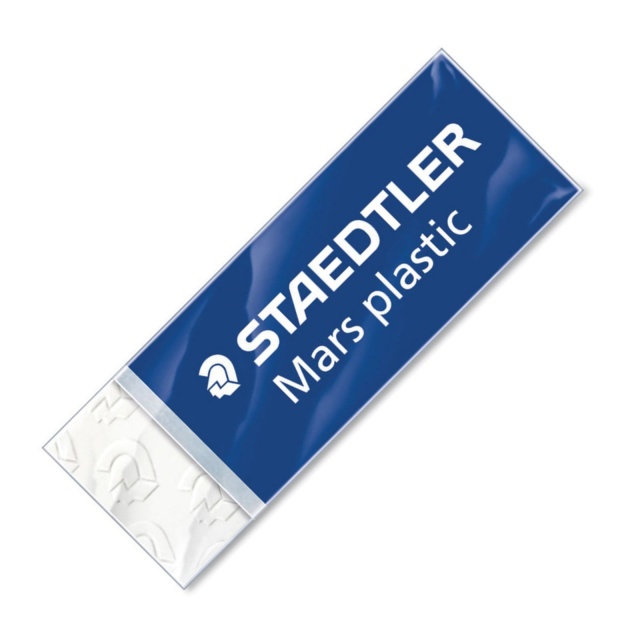
Eraser: An eraser is highly recommended to keep nearby, whether you need to correct sketches or erase guidelines.
Ruler: A ruler is useful not only for drawing guidelines, but also when creating your compositions.
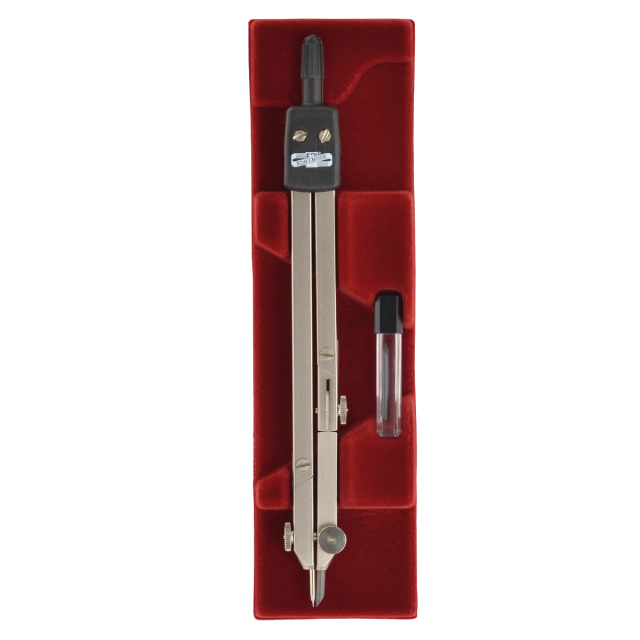
Compass: A compass can also be a valuable tool for composing and decorating your lettering projects.
Frequently Asked Questions about Lettering
What is lettering?
Lettering is the art of writing beautifully. It involves arranging letters in an aesthetically pleasing way, where each letter resembles a small work of art with a focus on its artistic design. The word "lettering" comes from the English word for a character, "letter".
What paper do I need for hand lettering?
The choice of paper depends on which pens you use. Are you using brush pens or felt-tip pens? Then you should choose smooth paper. If you use a pencil, ballpoint pen or fineliner, you can use both regular paper and standard printer paper. When it comes to paper thickness, you should use paper with a weight of 80–100 g/m² for practice and 180–200 g/m² for your final artwork. Want to create with watercolour pencils or watercolour paint? Then watercolour paper with a weight of 250 g/m² or more is the best choice for hand lettering with watercolour media.
When can lettering be used?
Hand lettering can be used in a wide range of projects: designing greeting cards, place cards, signs, Bullet Journaling, book covers, art prints and many other creative projects. Your imagination is the only limit to when your lettering skills can come in handy.
What is the difference between calligraphy, hand lettering, brush lettering, typography, etc.?
The term lettering refers to all visual art forms that deal with the artistic design of letters. Hand lettering allows you to combine different typefaces and styles as well as use different kinds of pens.
In brush lettering, you use brushes and brush pens to create lines with varying widths. The more pressure you apply to the brush tip, the thicker the lines become. Brush lettering is one of the most popular and widespread forms of hand lettering.
For faux calligraphy, you can use a regular fineliner, a gel pen or a fibre-tip pen. Faux calligraphy imitates brush lettering so that the letters look as if they have been drawn with calligraphy pens or brush pens.
Calligraphy is the art of beautiful writing, created using pen and ink.
Typography refers to the art and study of written text. This involves the artistic design and decoration of readable text.
Bounce lettering: With bounce lettering, you give individual letters a dynamic appearance that makes them look as though they are jumping off the page.
Serif and sans serif: With serif, the letters have leading and finishing strokes, while sans serif letters lack these strokes.

Brush Pens →
Fineliners→
Marker paper →