Ireland (EUR)

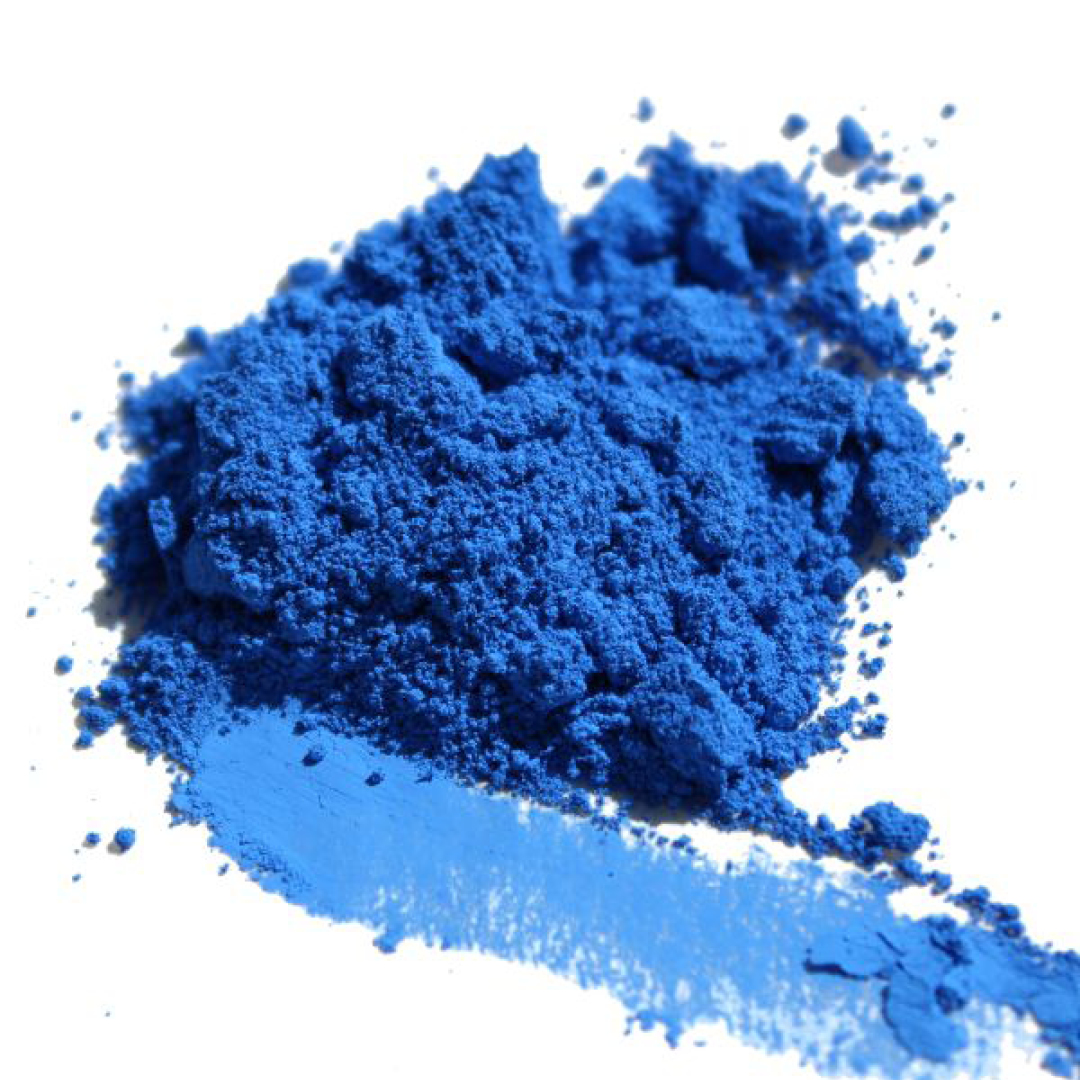
Cobalt Blue is that bright blue shade that evokes summer skies, open seas and distant horizons all at once. It has been part of the art world for more than 200 years, yet it continues to inspire new generations of creatives. Here, you'll discover where the colour comes from, why artists love it and how you can use Cobalt Blue in your own creative work.
The History of Cobalt Blue
The Colour's Origins: From Laboratory to Artist's Palette
At the beginning of the 19th century, the French chemist Louis Jacques Thénard developed a new blue pigment based on cobalt. At the time, ultramarine was one of the most sought-after blue colours in art, but also one of the most expensive. Thénard's goal was to create a blue shade that was both more accessible and sufficiently vibrant and durable for artistic use.
Cobalt Blue quickly became valued for its pure tone and excellent lightfastness. The colour played an important role for many 19th-century artists, particularly landscape painters seeking to capture the natural hues of the sky and water. With its unique balance of clarity and depth, Cobalt Blue has maintained its popularity through the centuries and remains an essential part of many artists' palettes today.
What Makes Cobalt Blue Special?
Bright, Harmonious and Easy to Combine
What makes Cobalt Blue so versatile is its balance. It is bright without feeling harsh and intense without overpowering. It works just as well in large areas of colour as it does in fine details and pairs beautifully with both warm and cool colours.
Cobalt Blue is often associated with skies, seas and open landscapes, but it can also be used to create depth, contrast and atmosphere in many different types of artwork.
Colour Mixing Tips
- With white: create light sky-blue shades and soft pastels.
- With green: achieve fresh turquoise tones that evoke the sea and coastal landscapes.
- With yellow: mix vibrant greens for nature-inspired subjects.
- With orange: create lively contrasts that make both colours stand out more clearly.
- With earth tones: achieve soft greys and muted blue shades.
Create Natural Grey Tones with Cobalt Blue
Did you know that Cobalt Blue is excellent for mixing your own grey shades? By combining it with warm earth tones, you can create soft, lively greys that often feel more natural than ready-made black or grey paint.
- For a warmer grey: add more earth colour.
- For a cooler grey: let Cobalt Blue dominate.
- For light, misty tones: mix with white and adjust the balance to suit your subject.
When Is Cobalt Blue Most Effective?
Skies and Seas
Cobalt Blue is a classic choice for painting skies and water. The colour captures a sense of light, air and openness without feeling overly intense.
Landscapes and Nature
Distant mountains, shadows in snow and expansive landscapes often gain extra depth with Cobalt Blue. The colour helps create a sense of distance and atmosphere.
Architecture and Urban Scenes
Use Cobalt Blue to highlight shadows, reflections or details that need to stand out against warmer colours such as brick, stone and wood.
Abstract and Experimental Art
In contemporary art, Cobalt Blue is often used as a key colour within a composition. It can create calm and balance while also adding energy and contrast.
Quick Ideas to Try
- Paint a sky using only Cobalt Blue and white to explore light and transitions.
- Create a seascape using different blue and green shades.
- Try mixing Cobalt Blue with earth tones to discover new grey shades.
- Create a monochromatic painting in different shades of Cobalt Blue to practise depth and contrast.
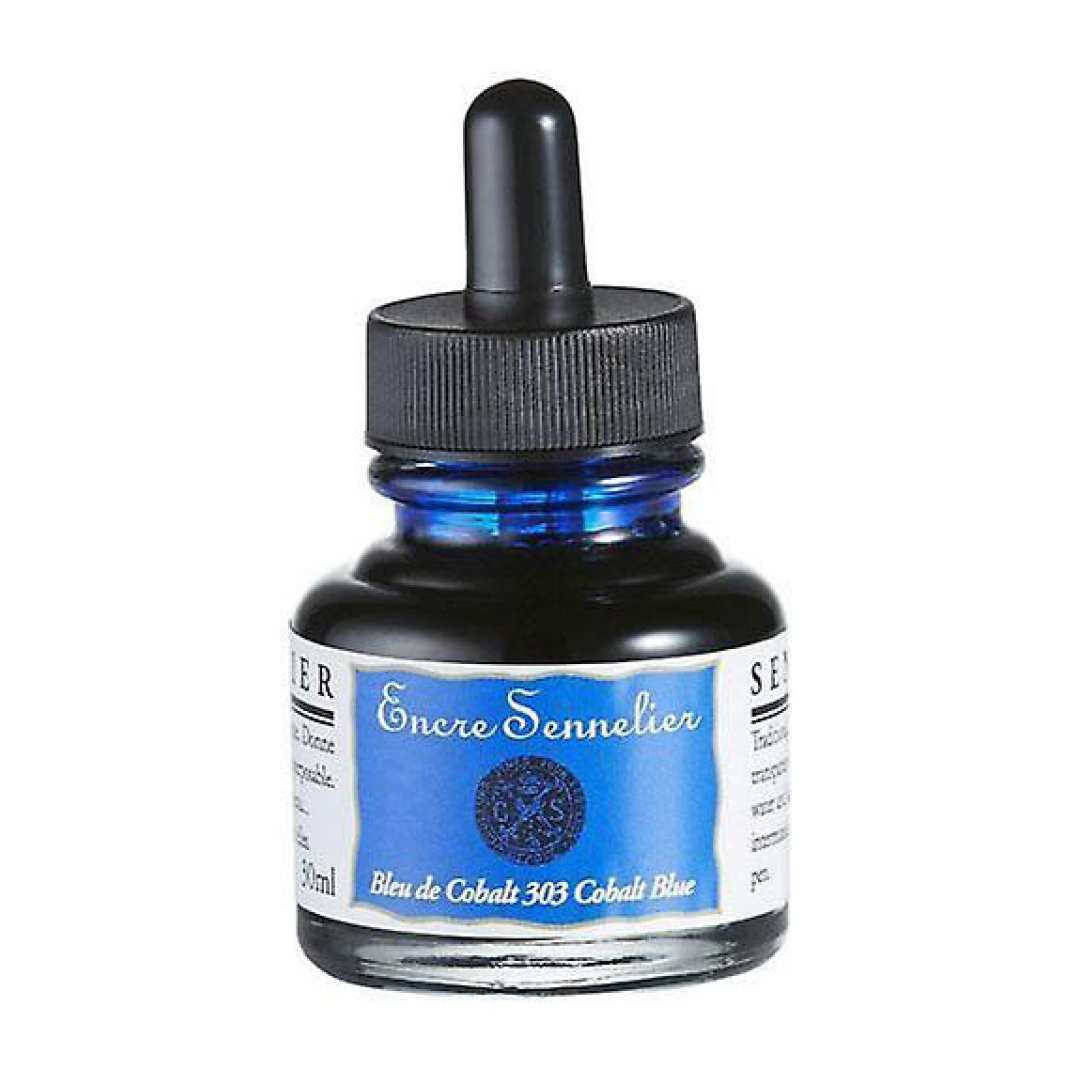
Find Products in the Colour Cobalt Blue
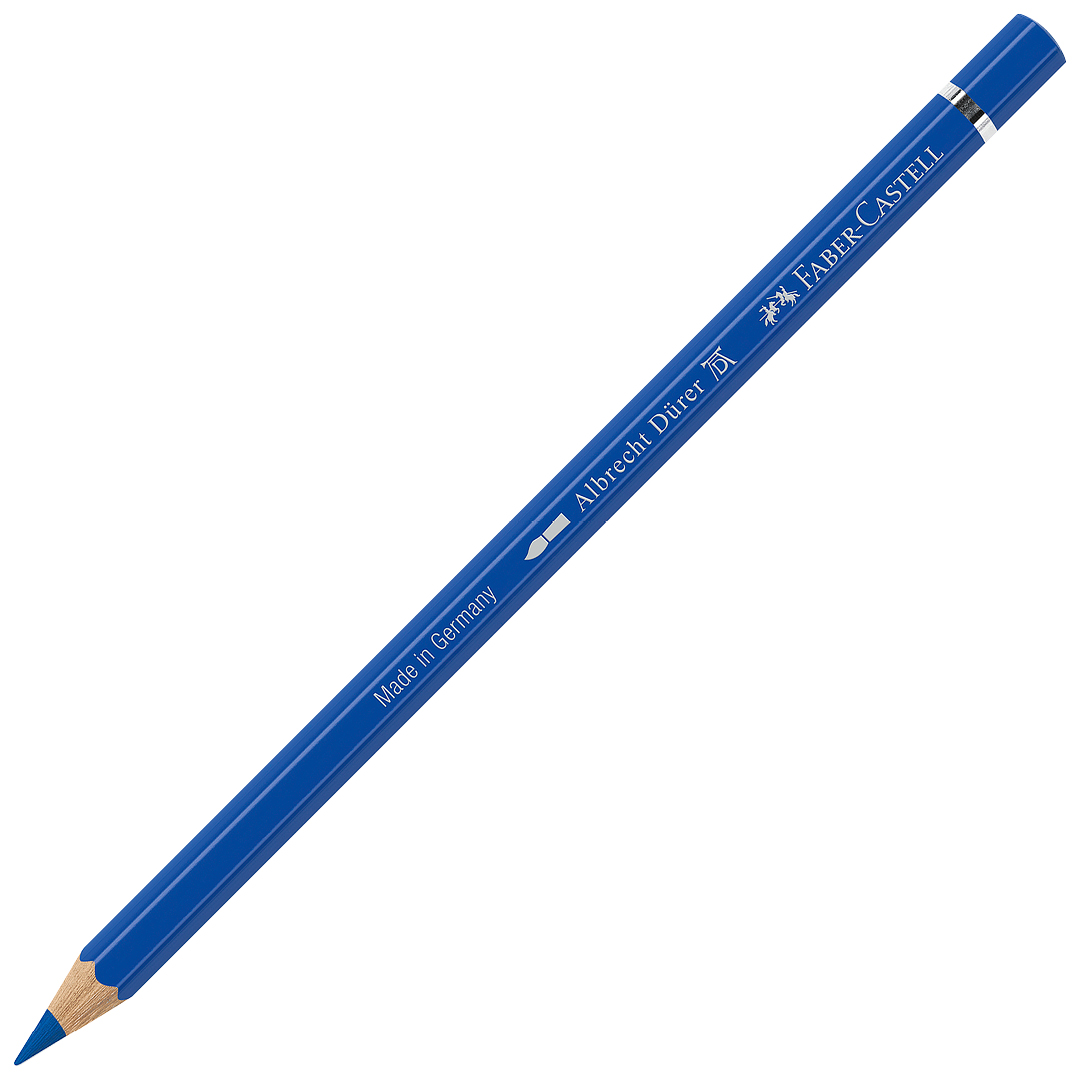
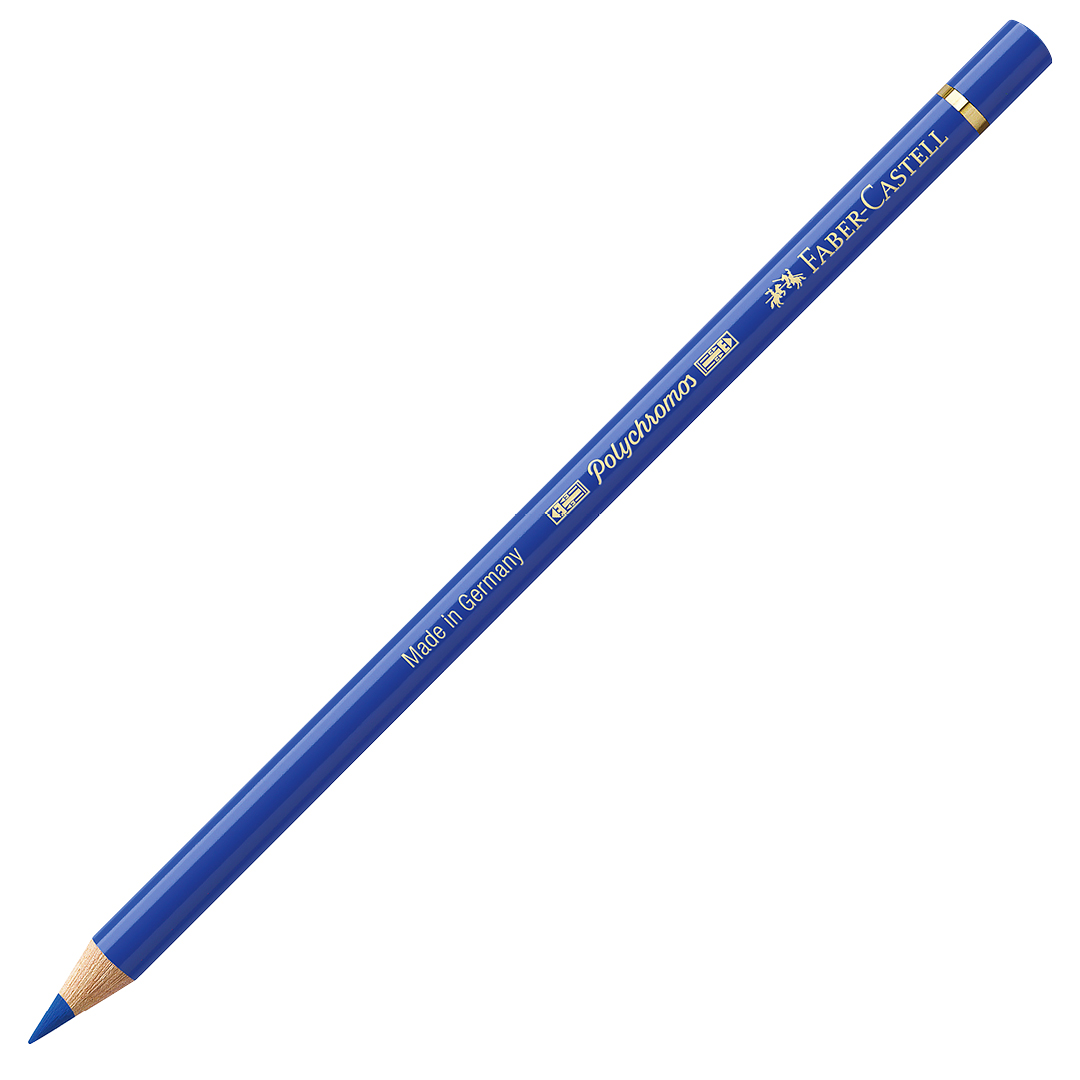
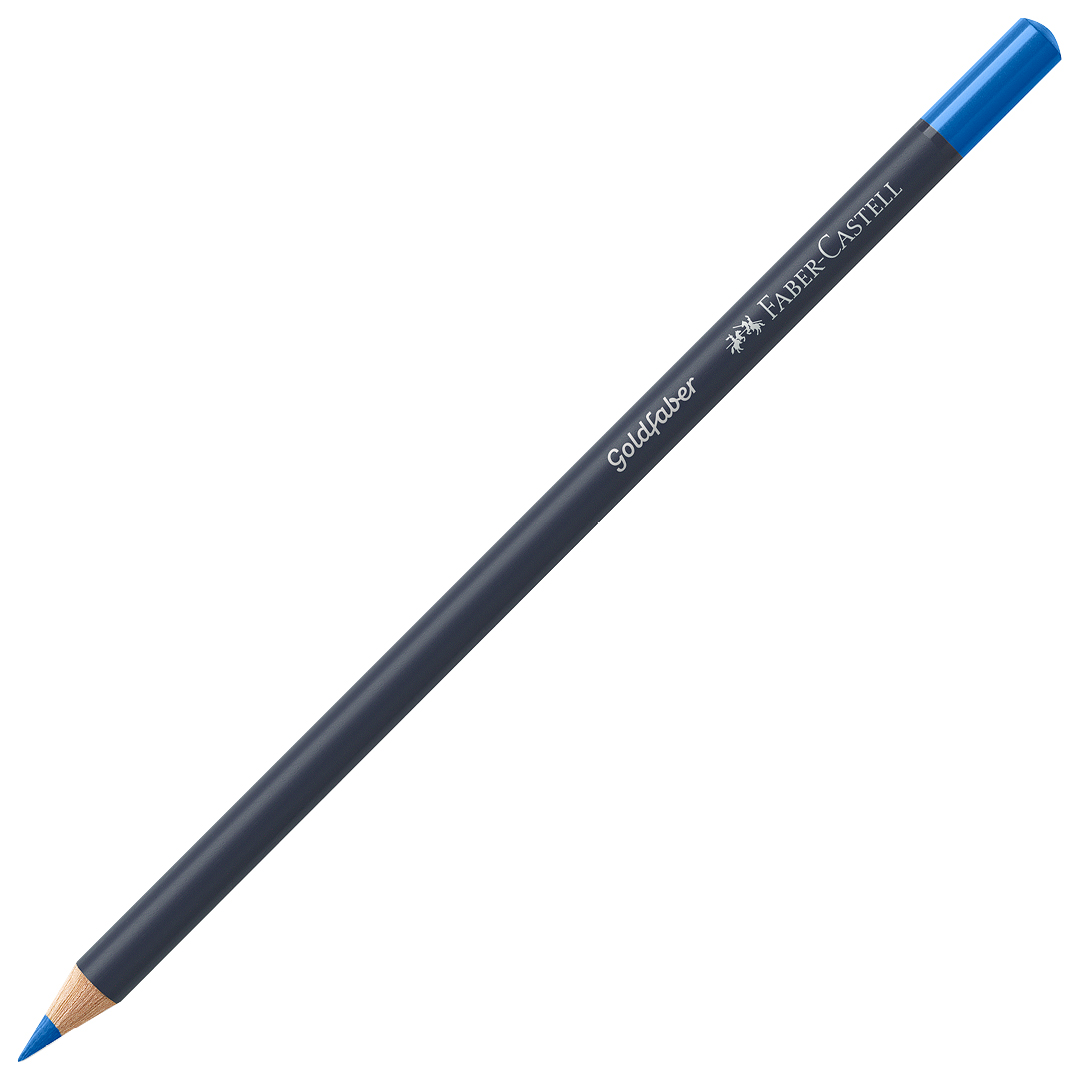
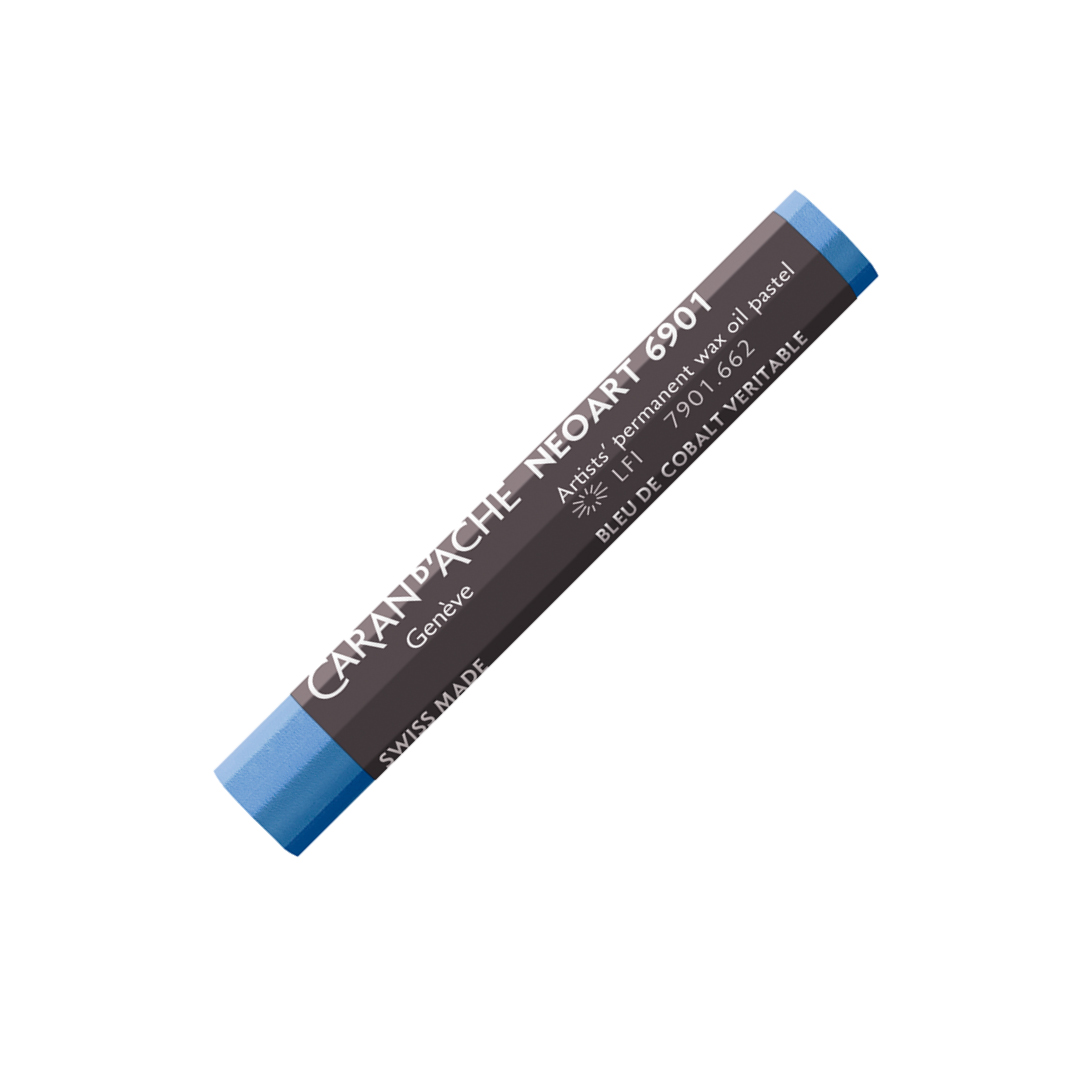
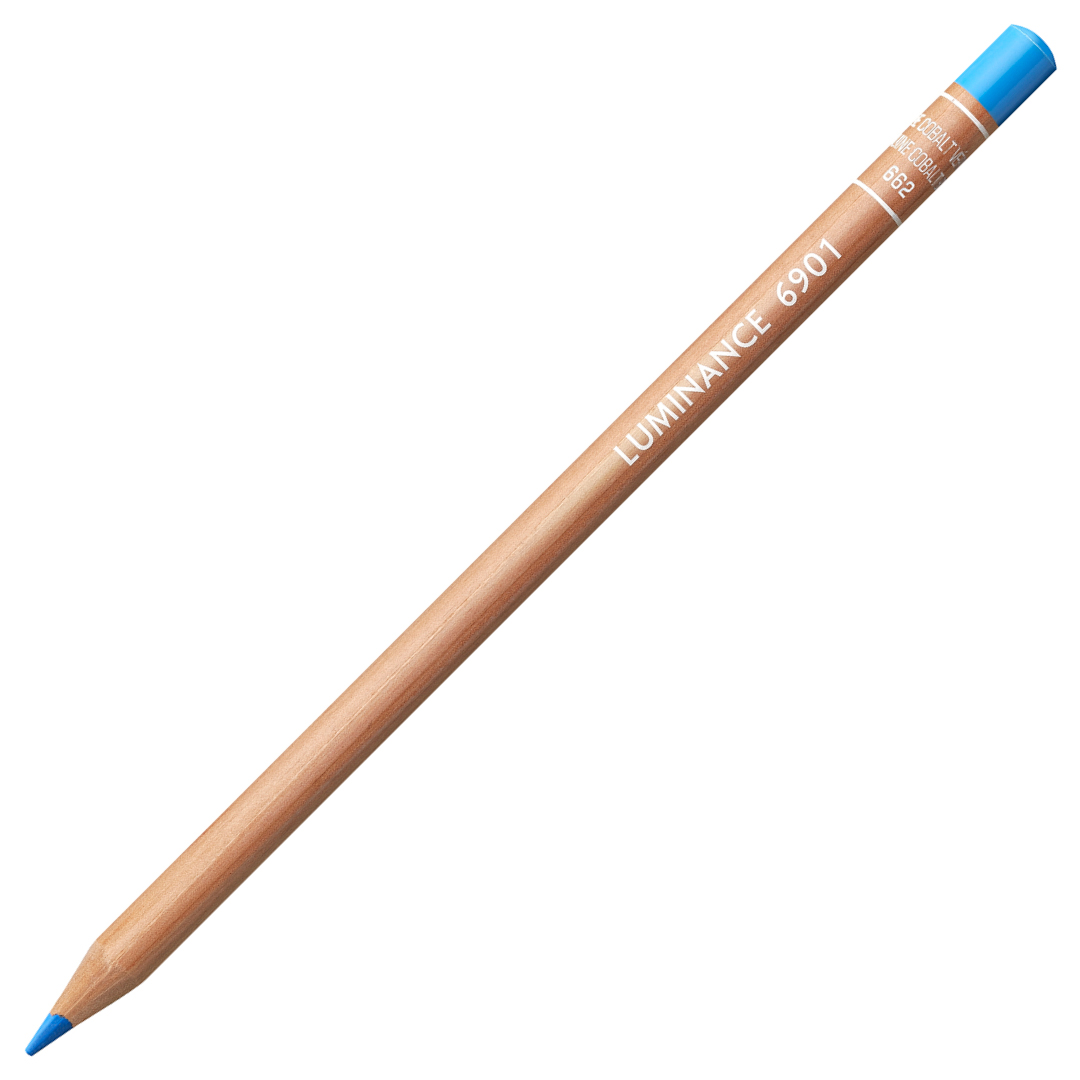
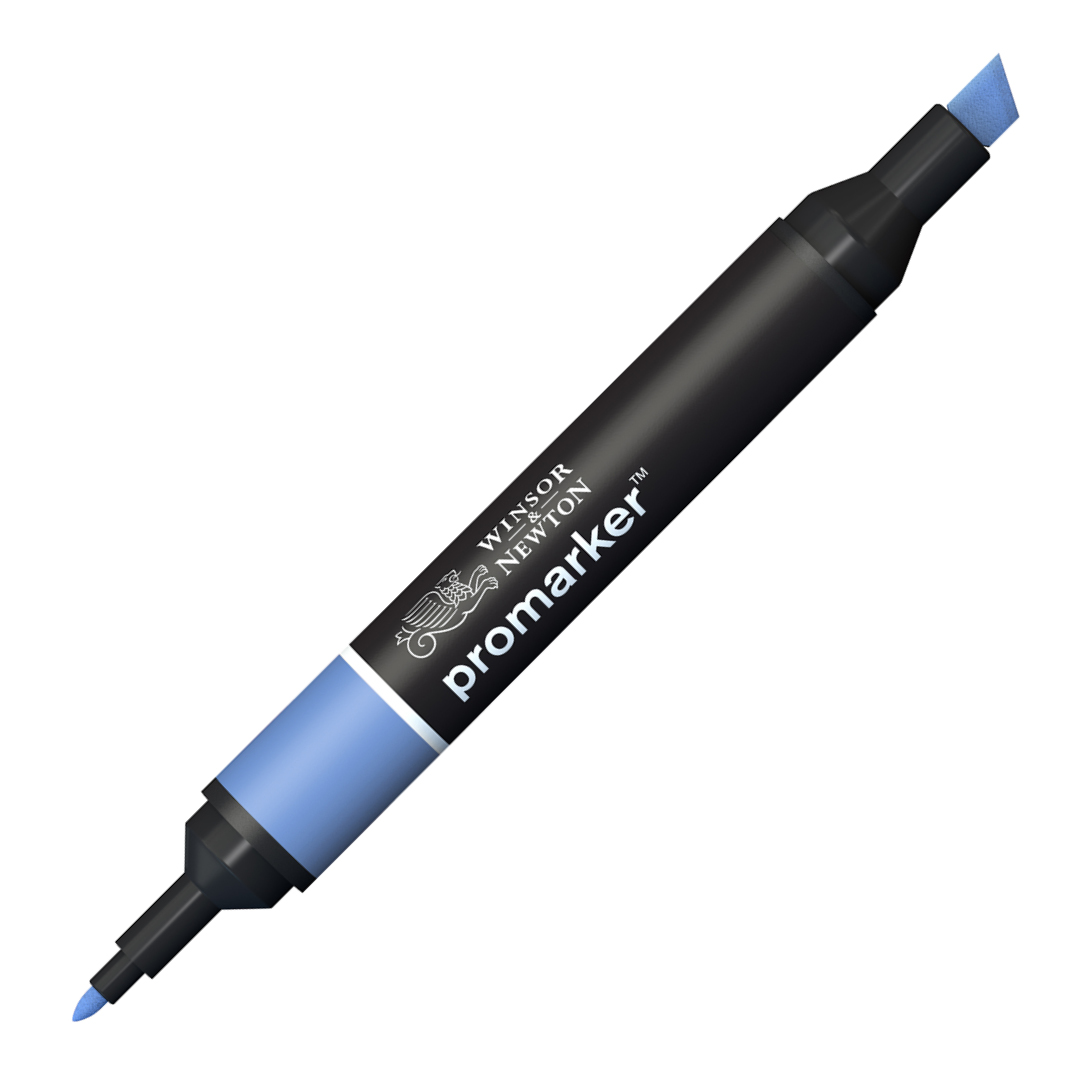
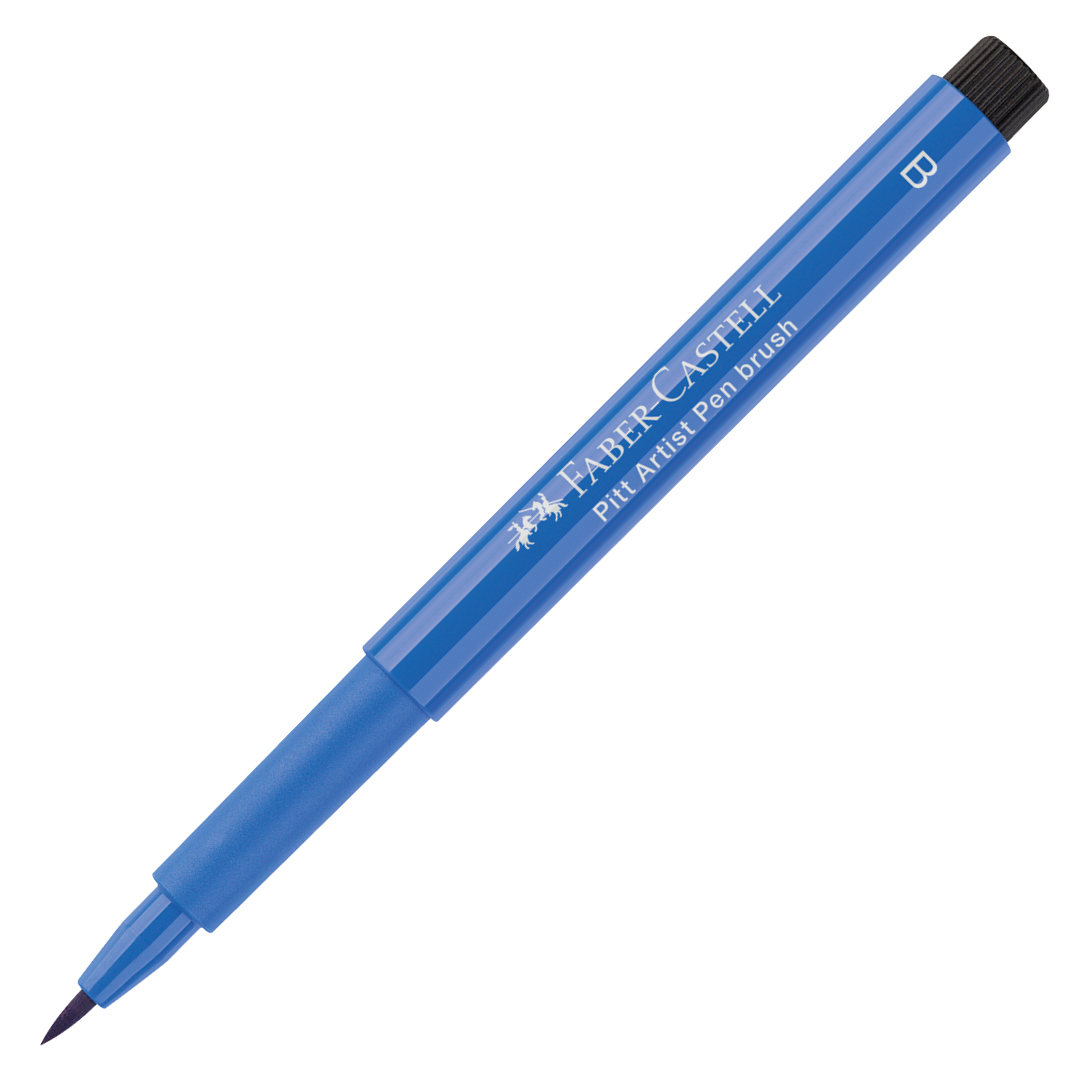
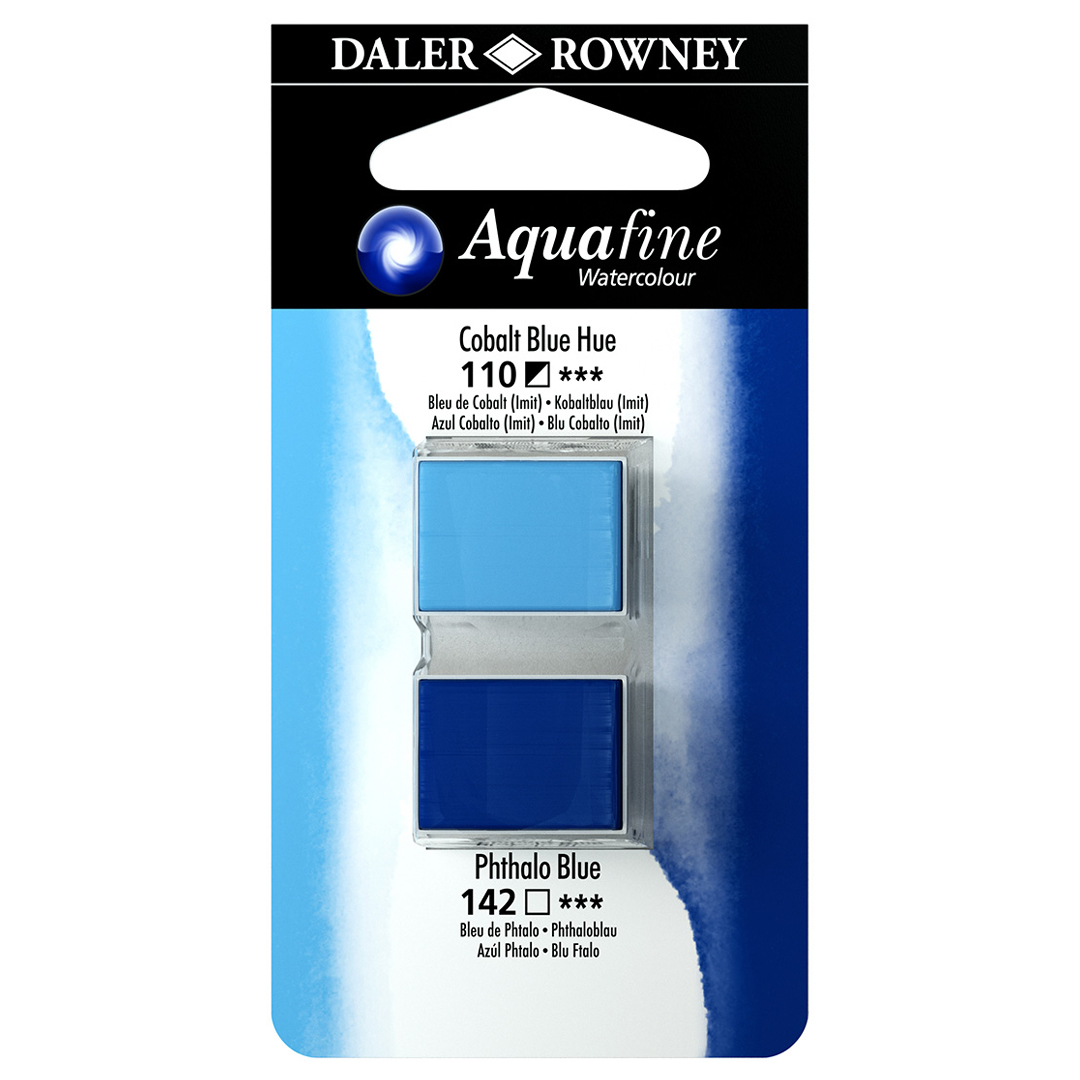
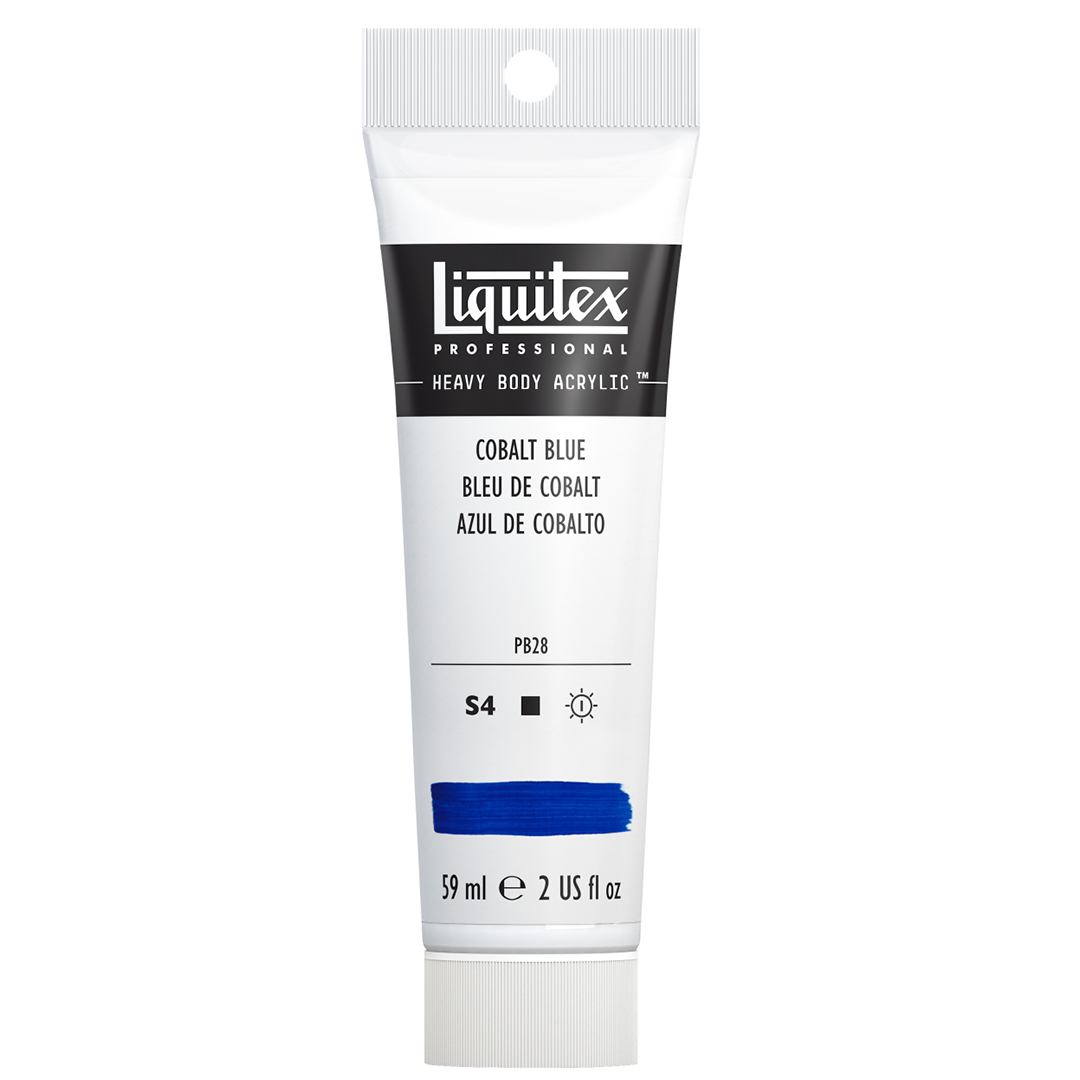
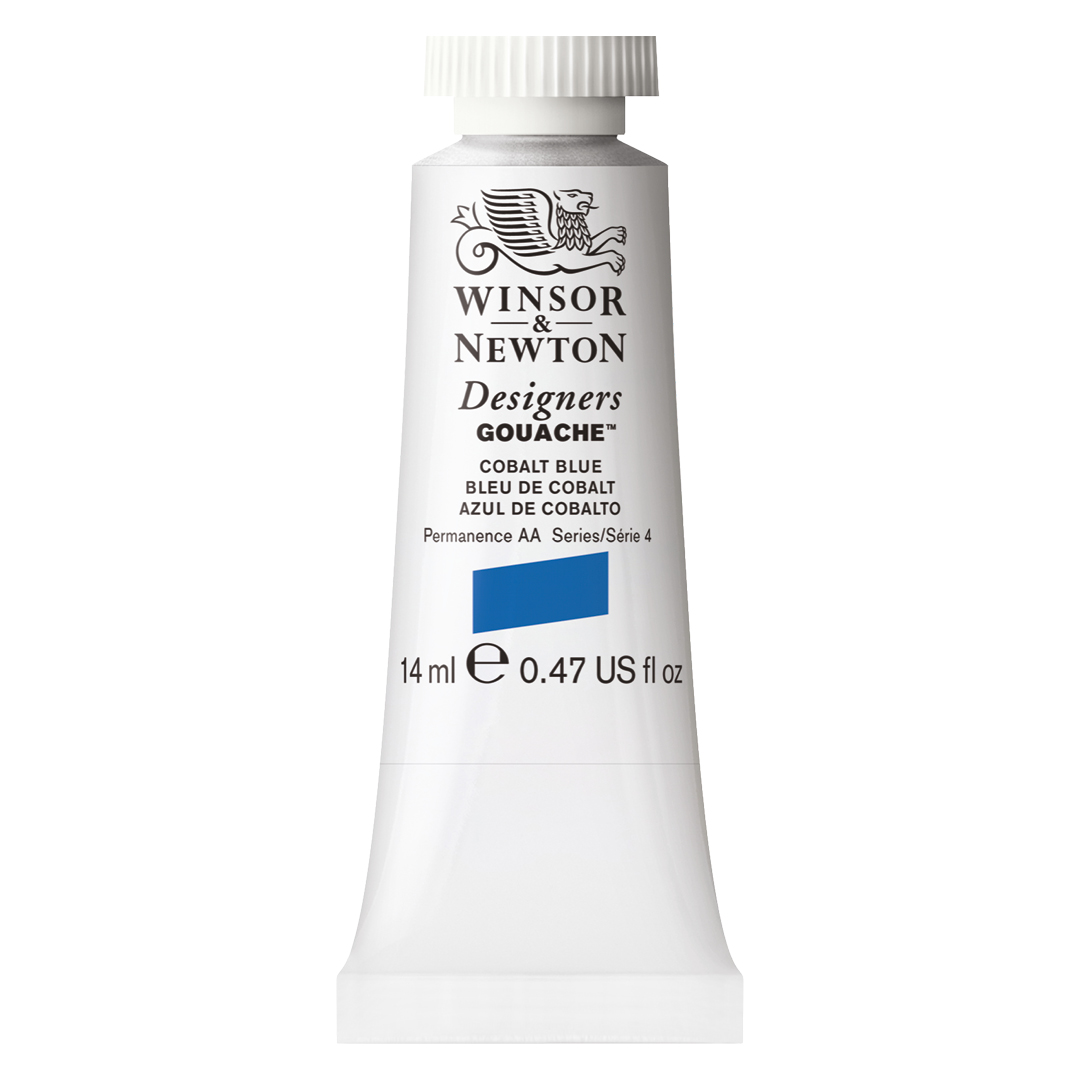
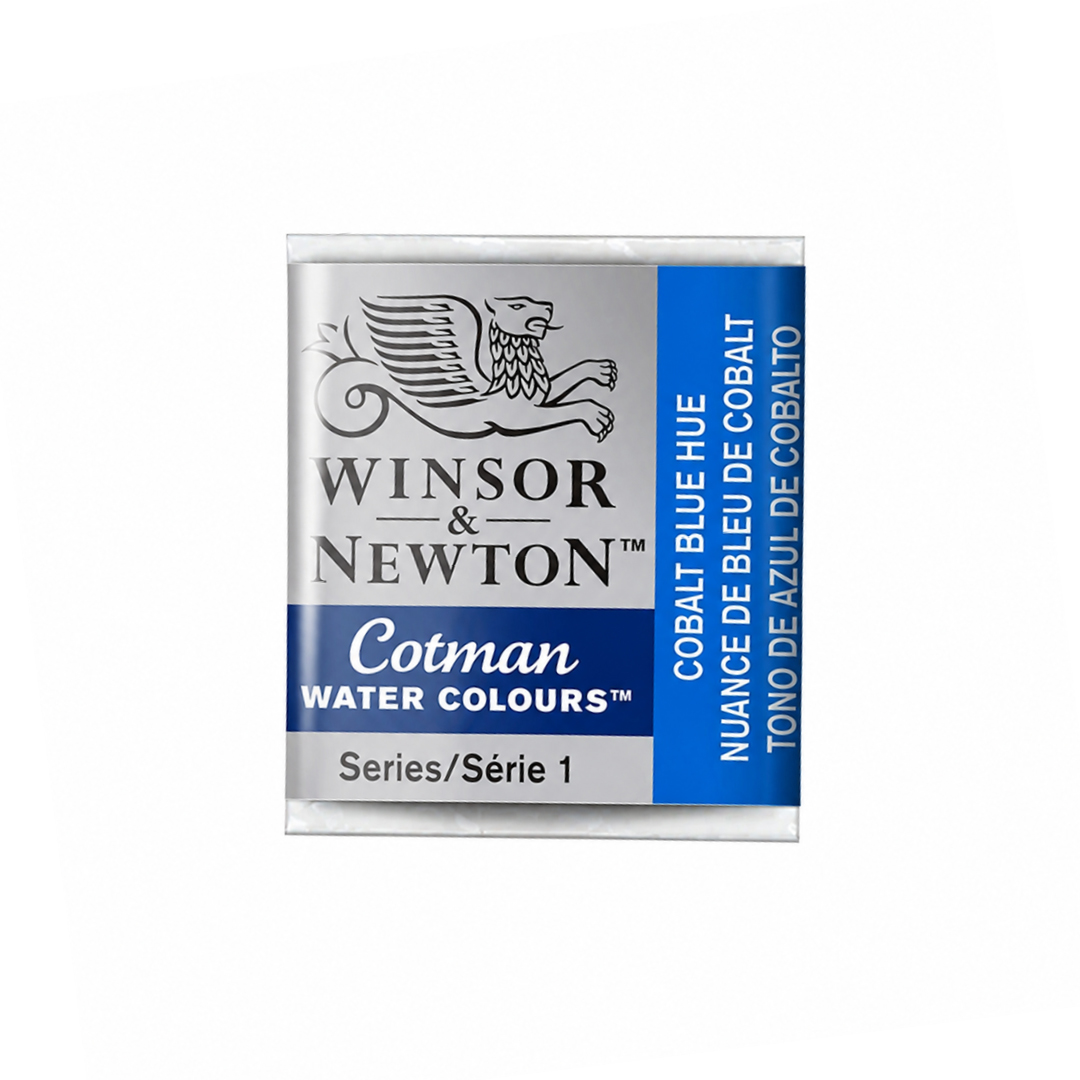
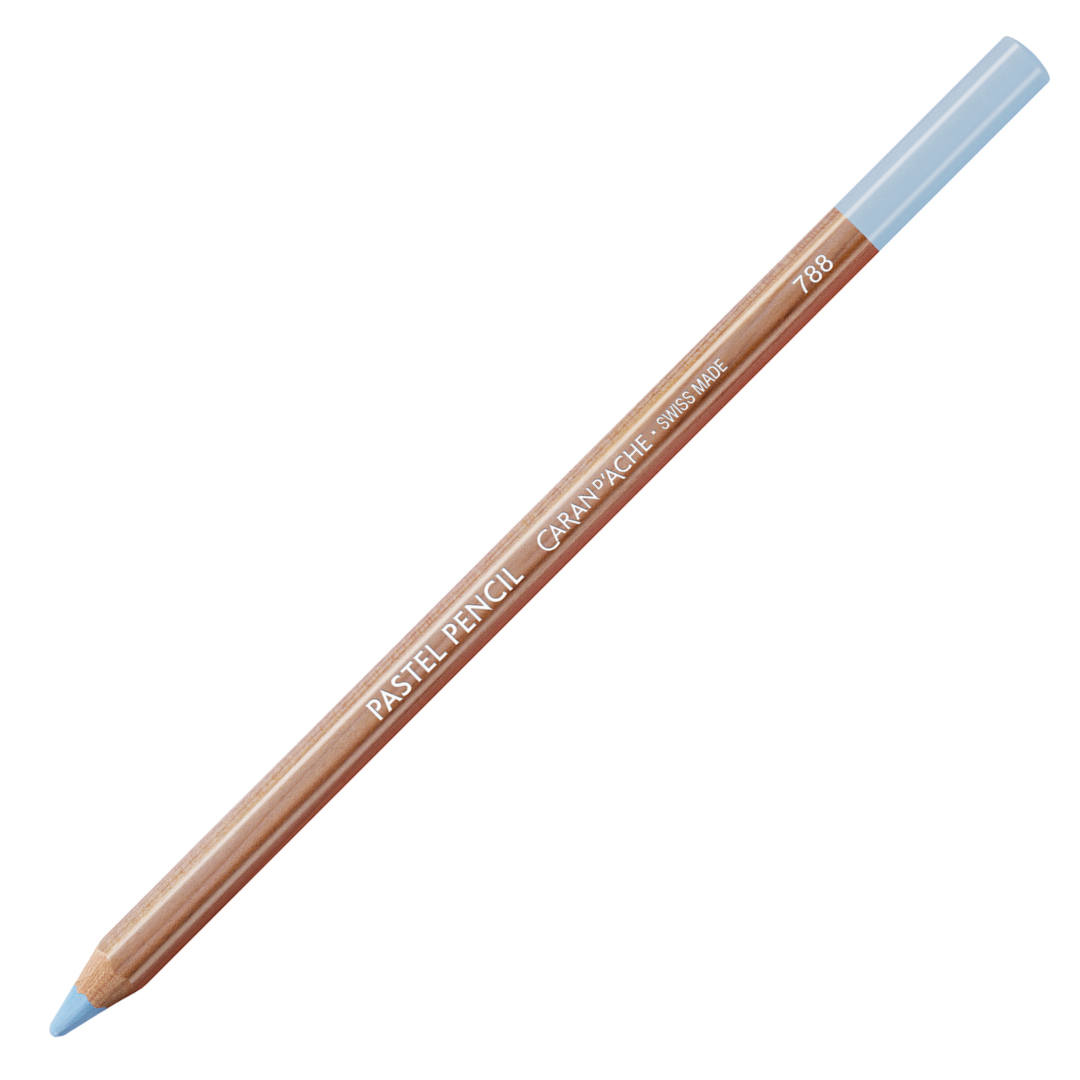
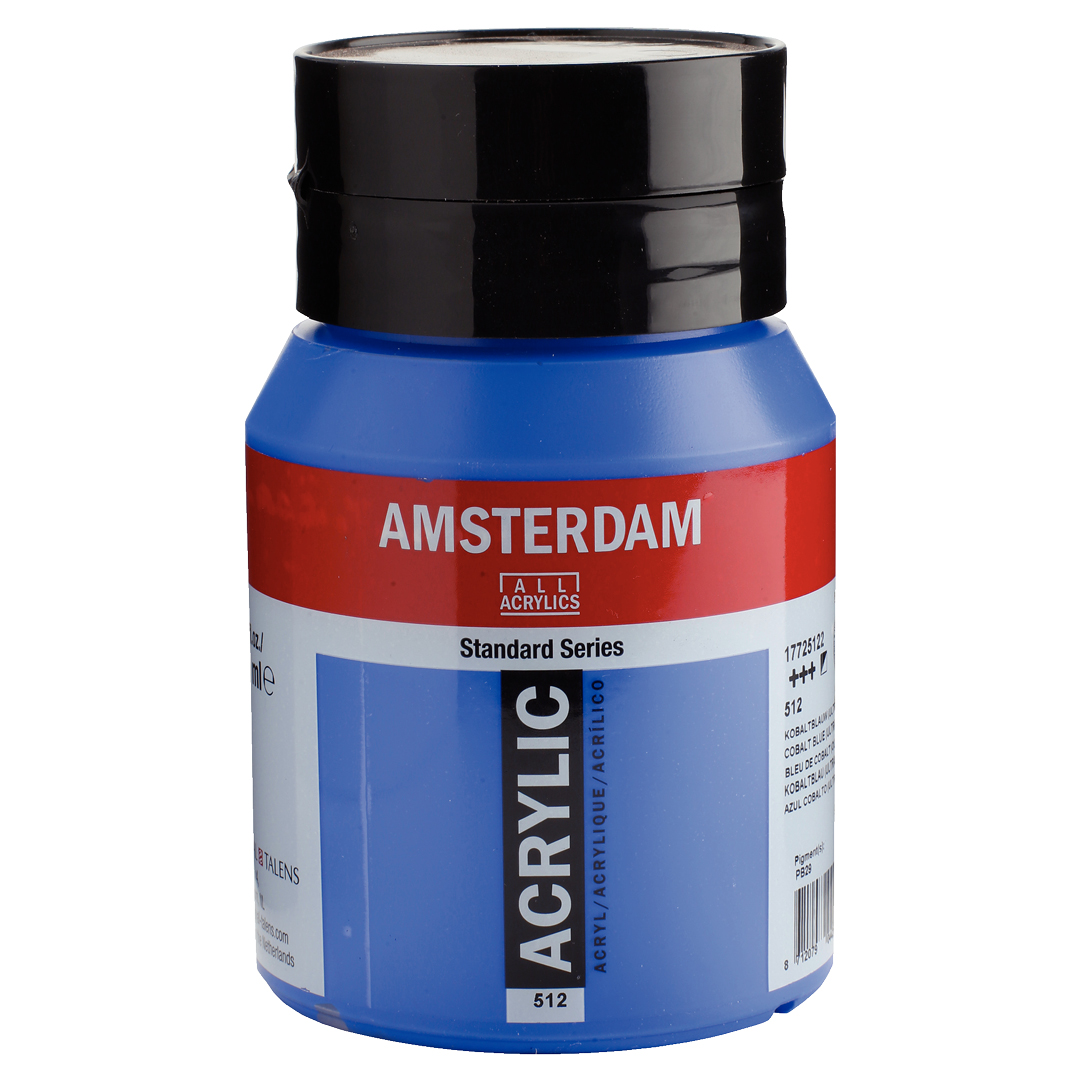
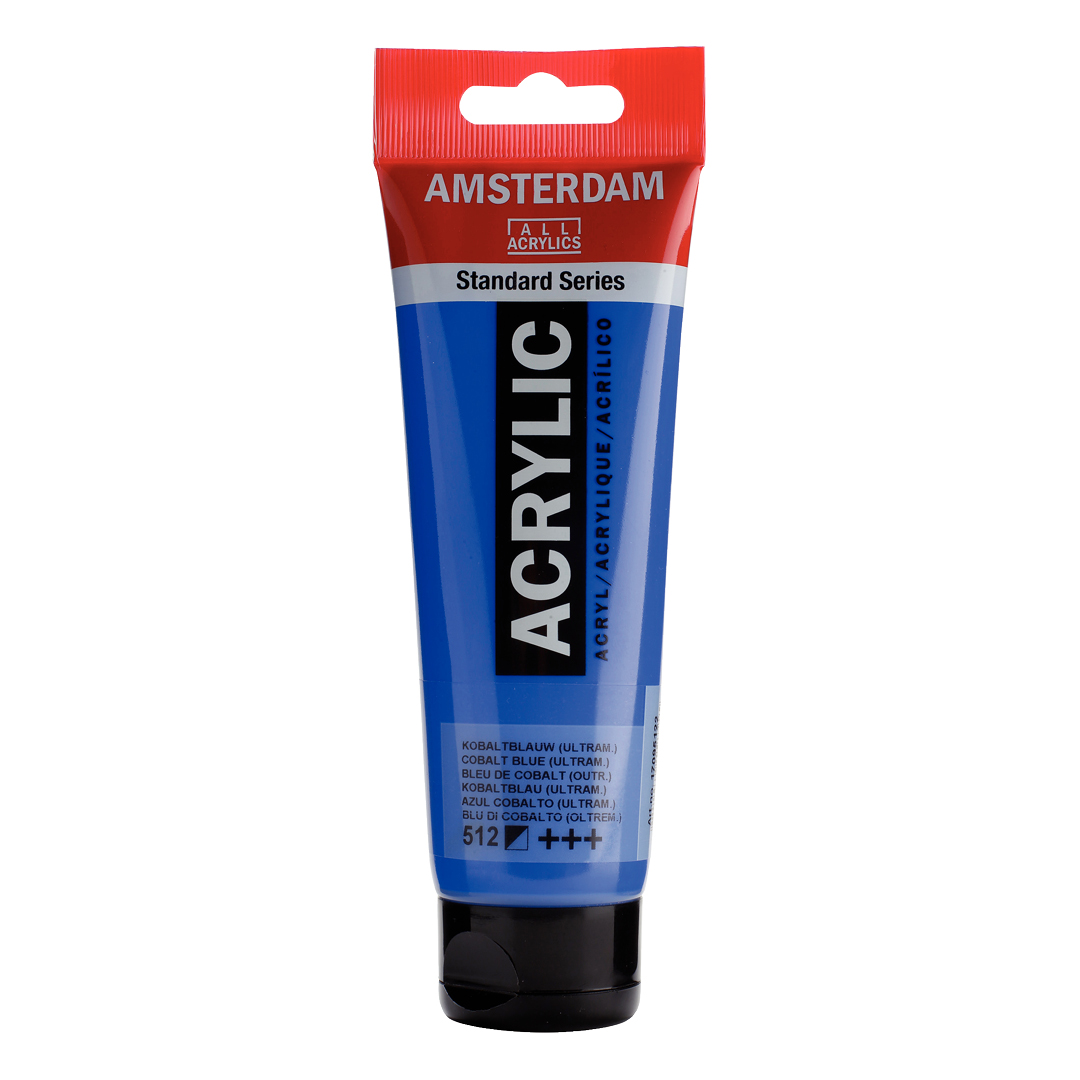
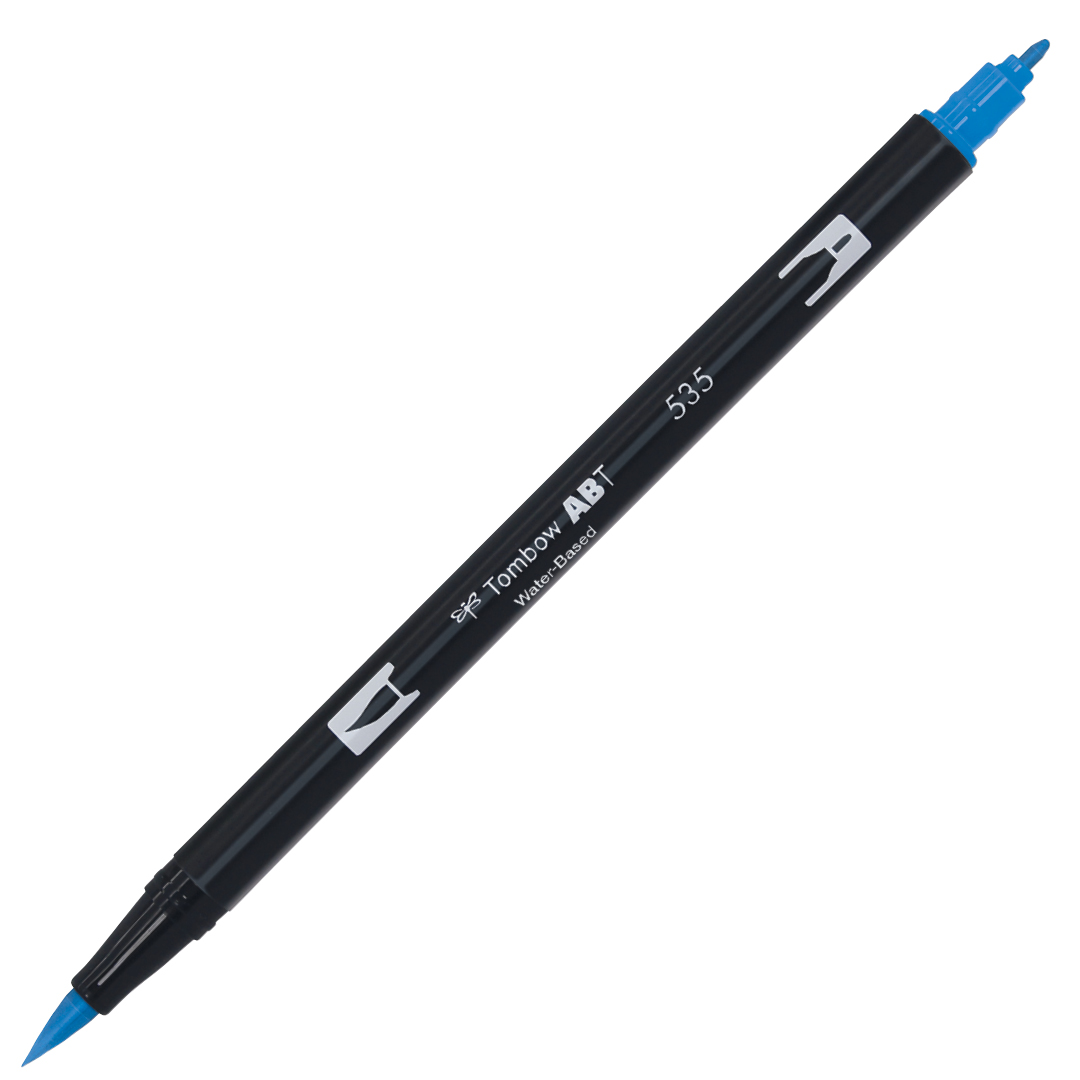
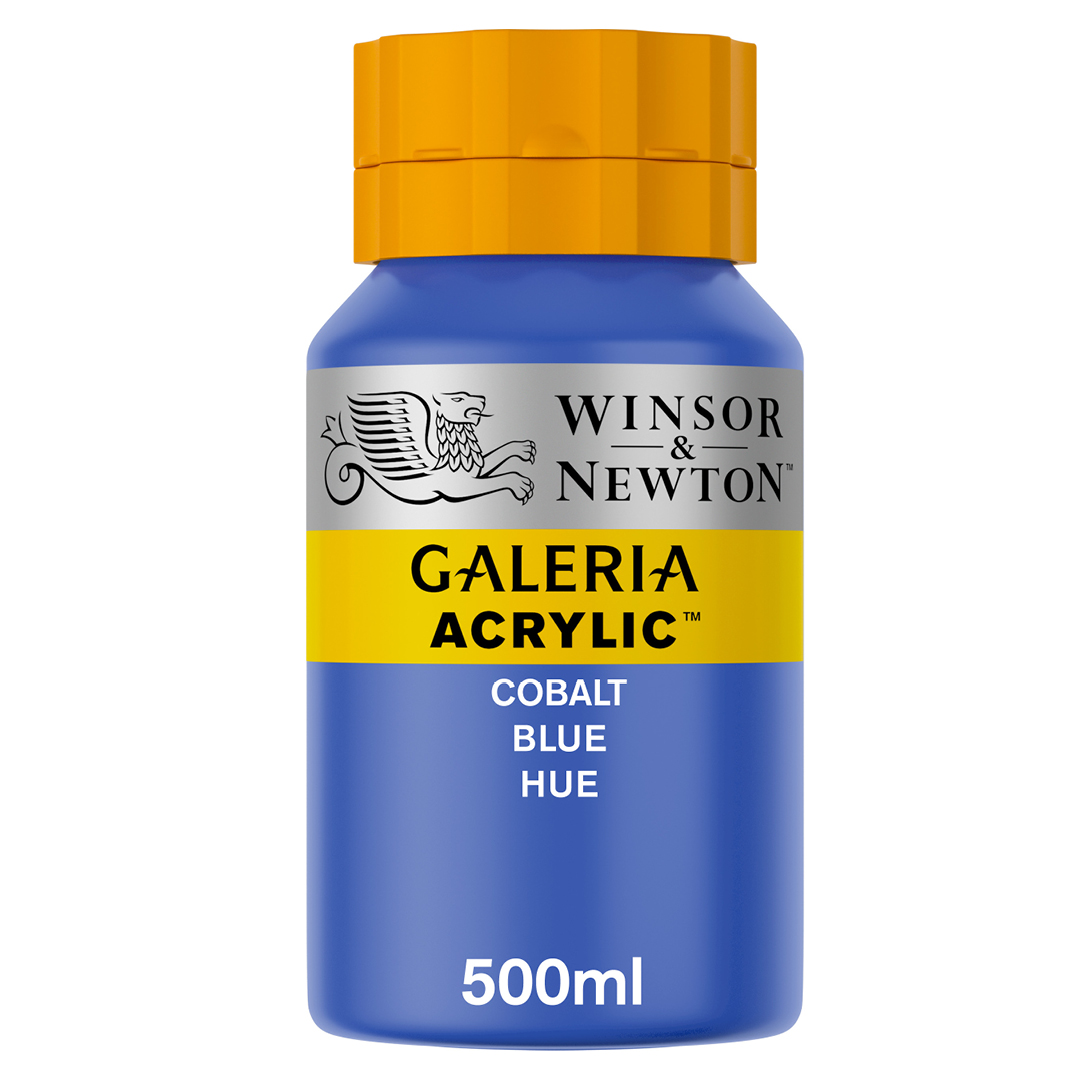
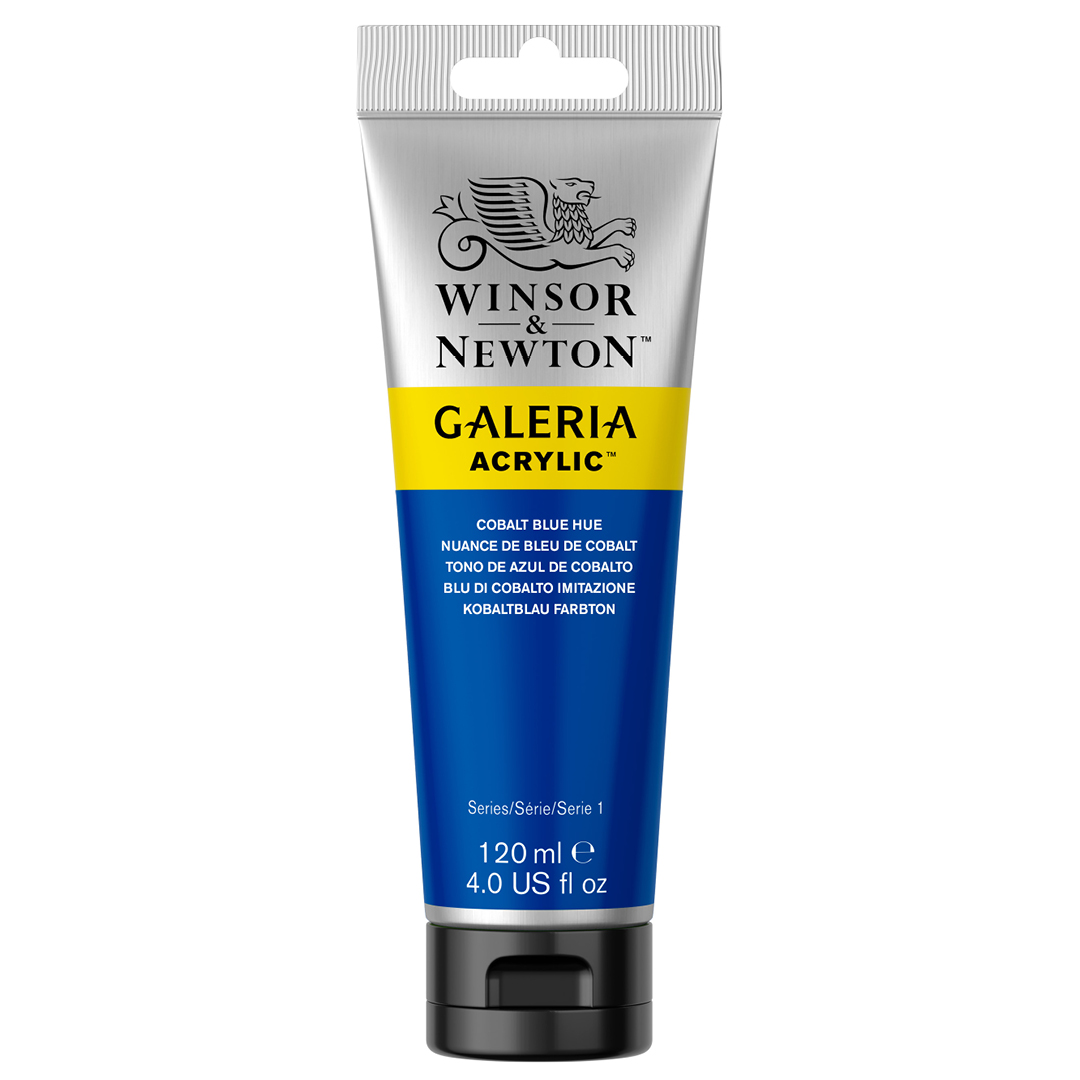
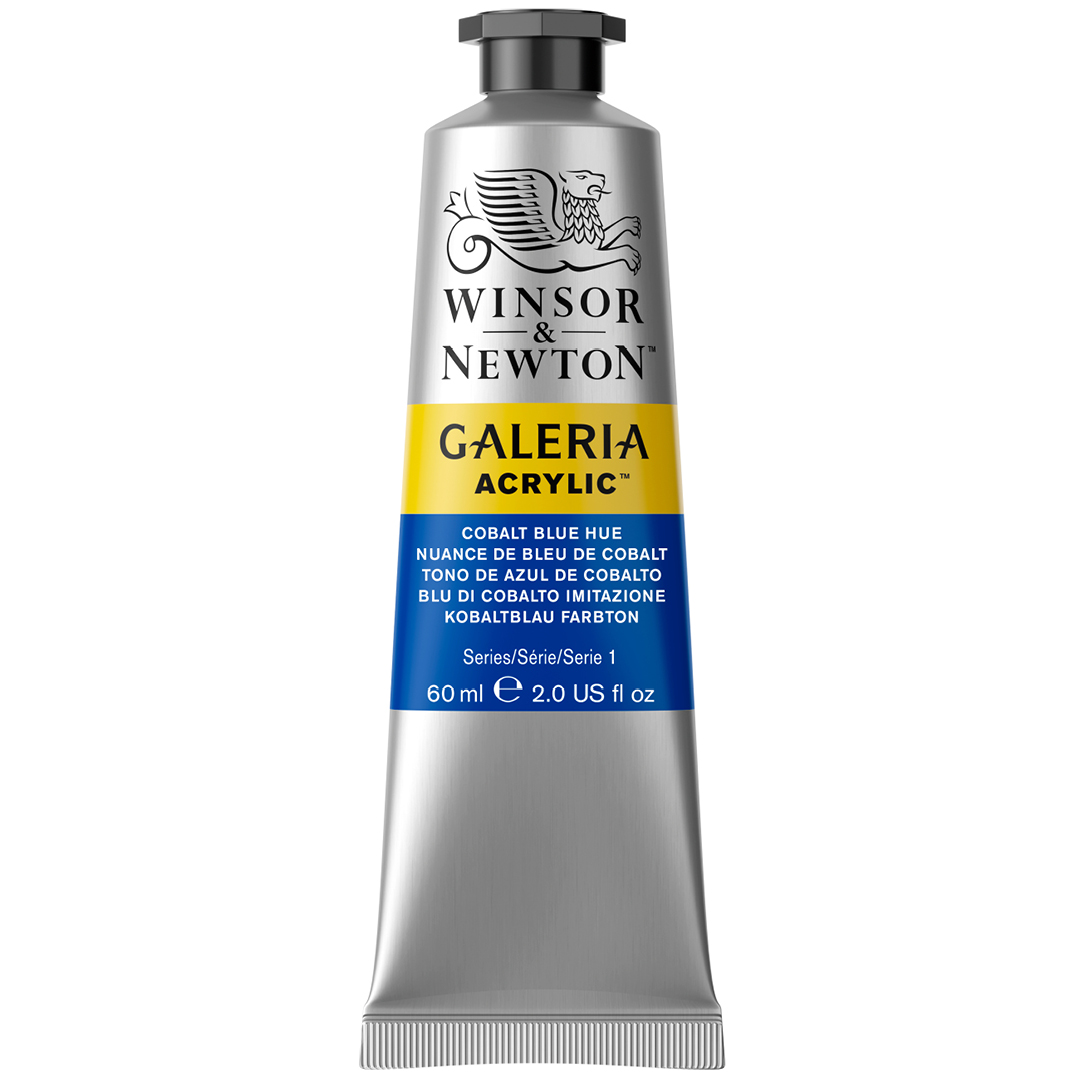
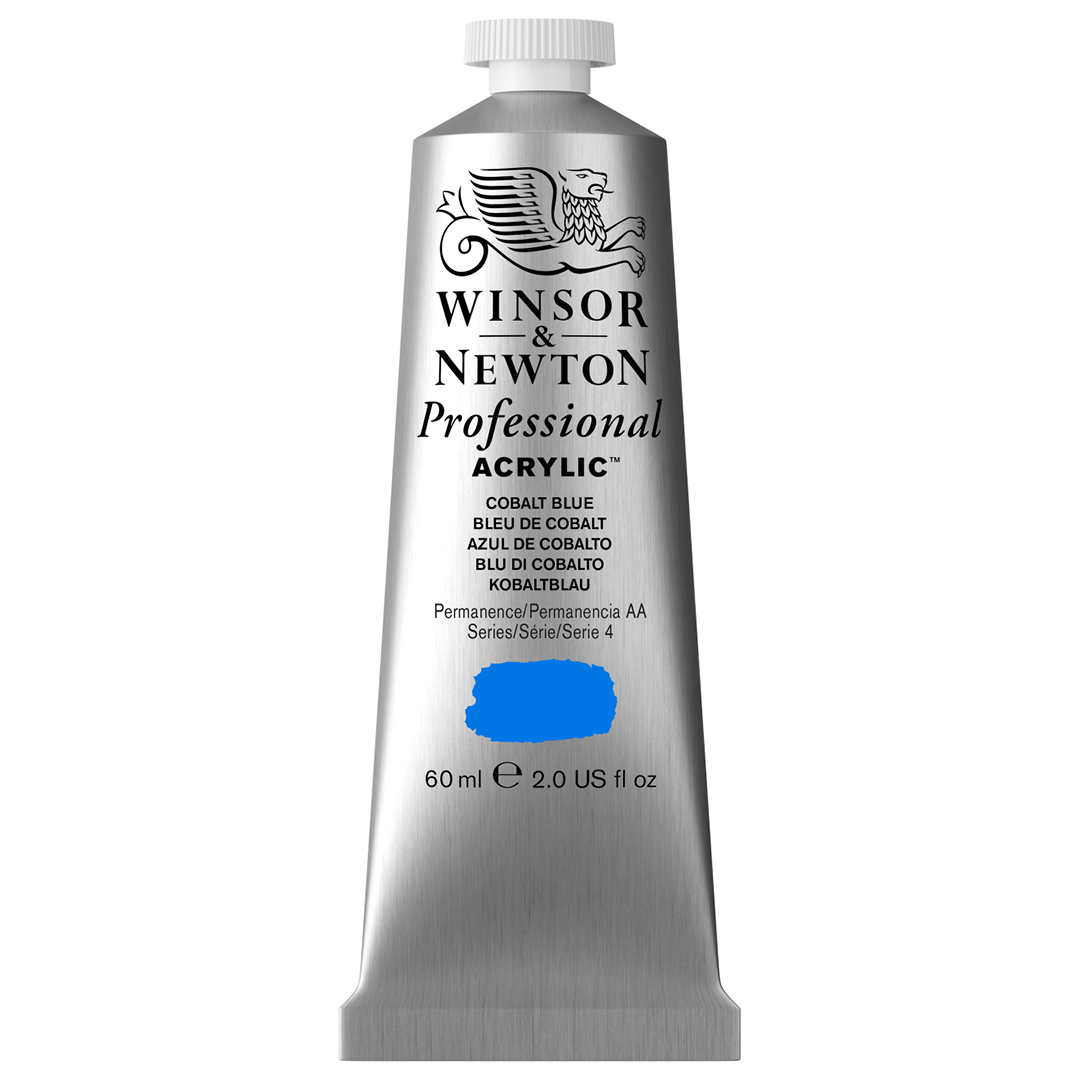
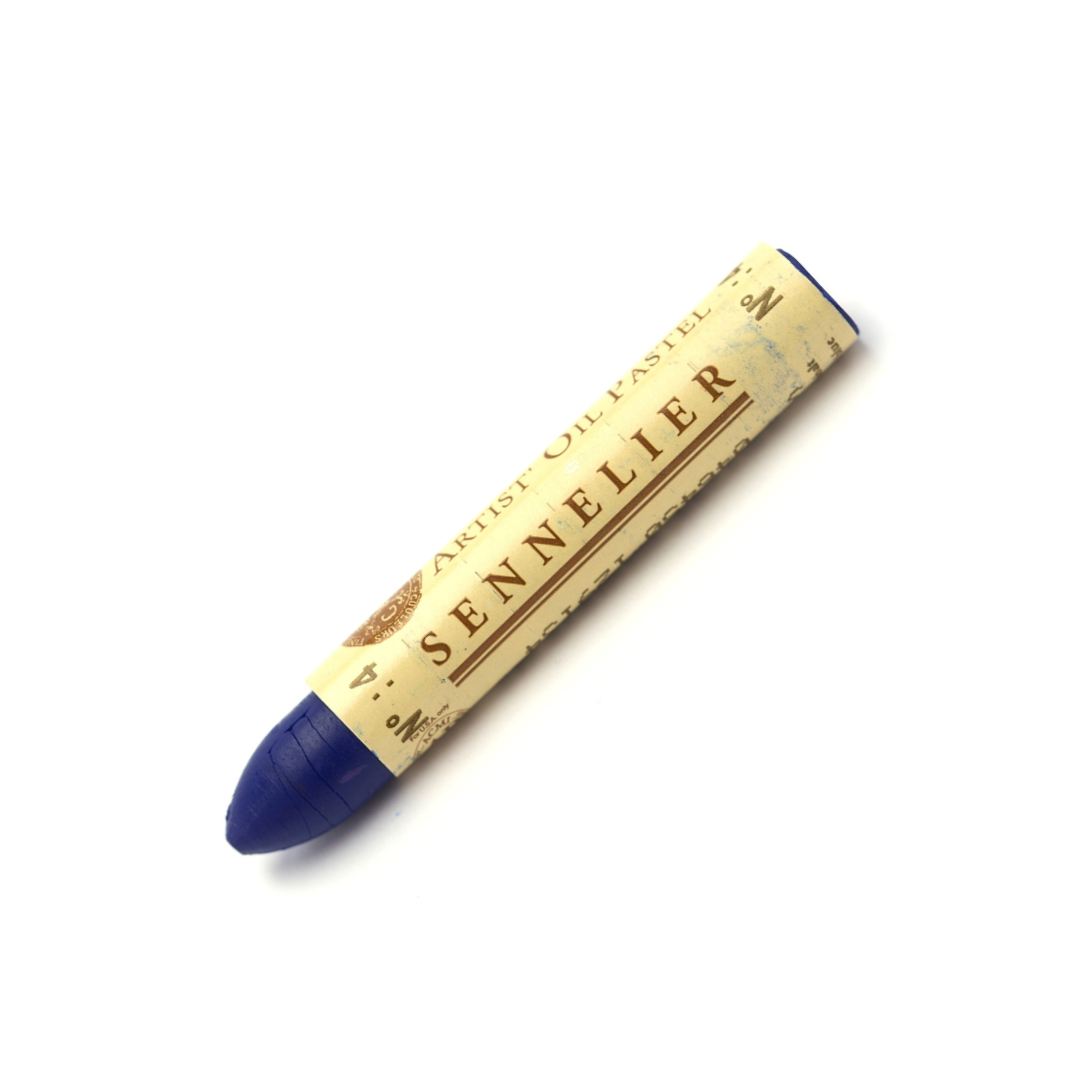
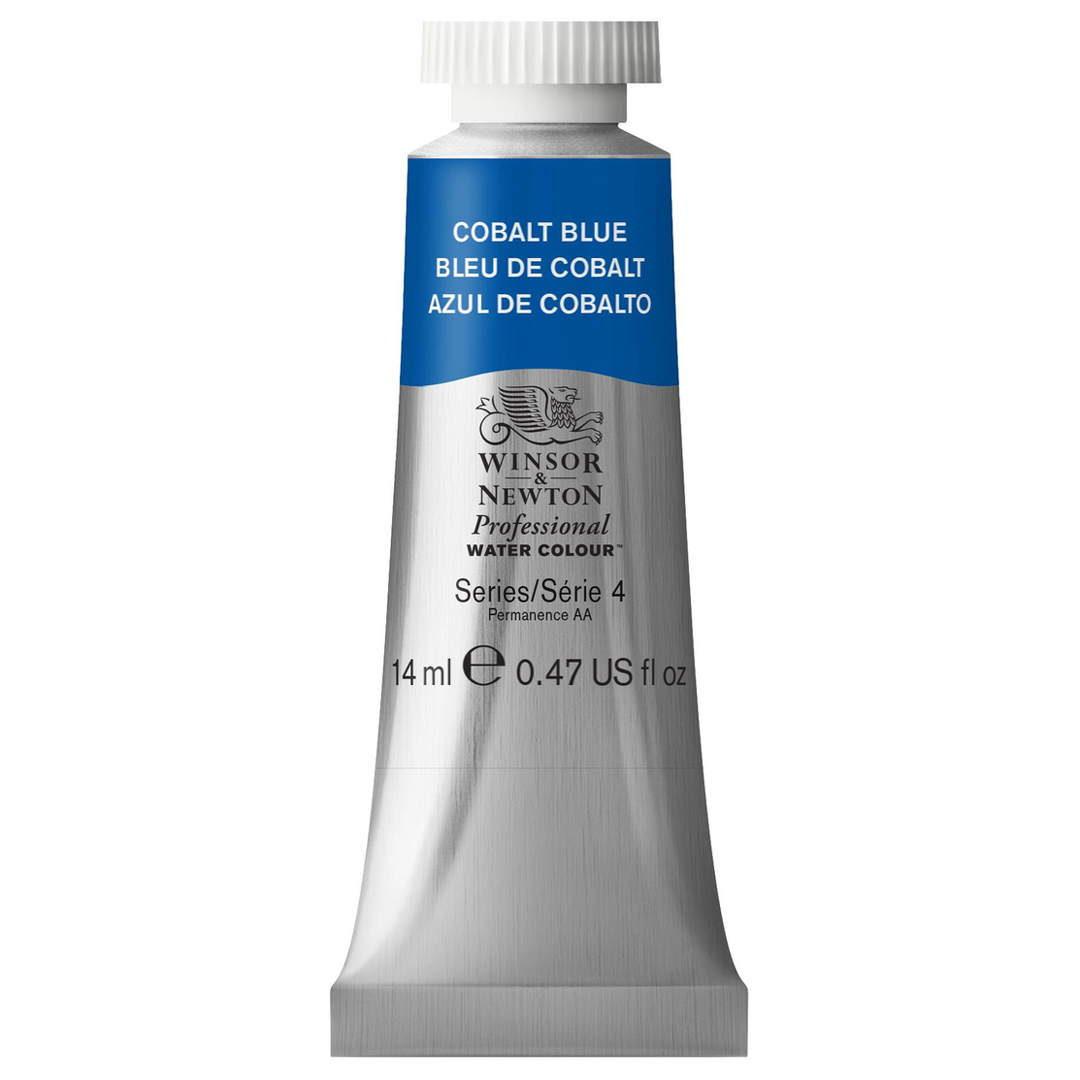
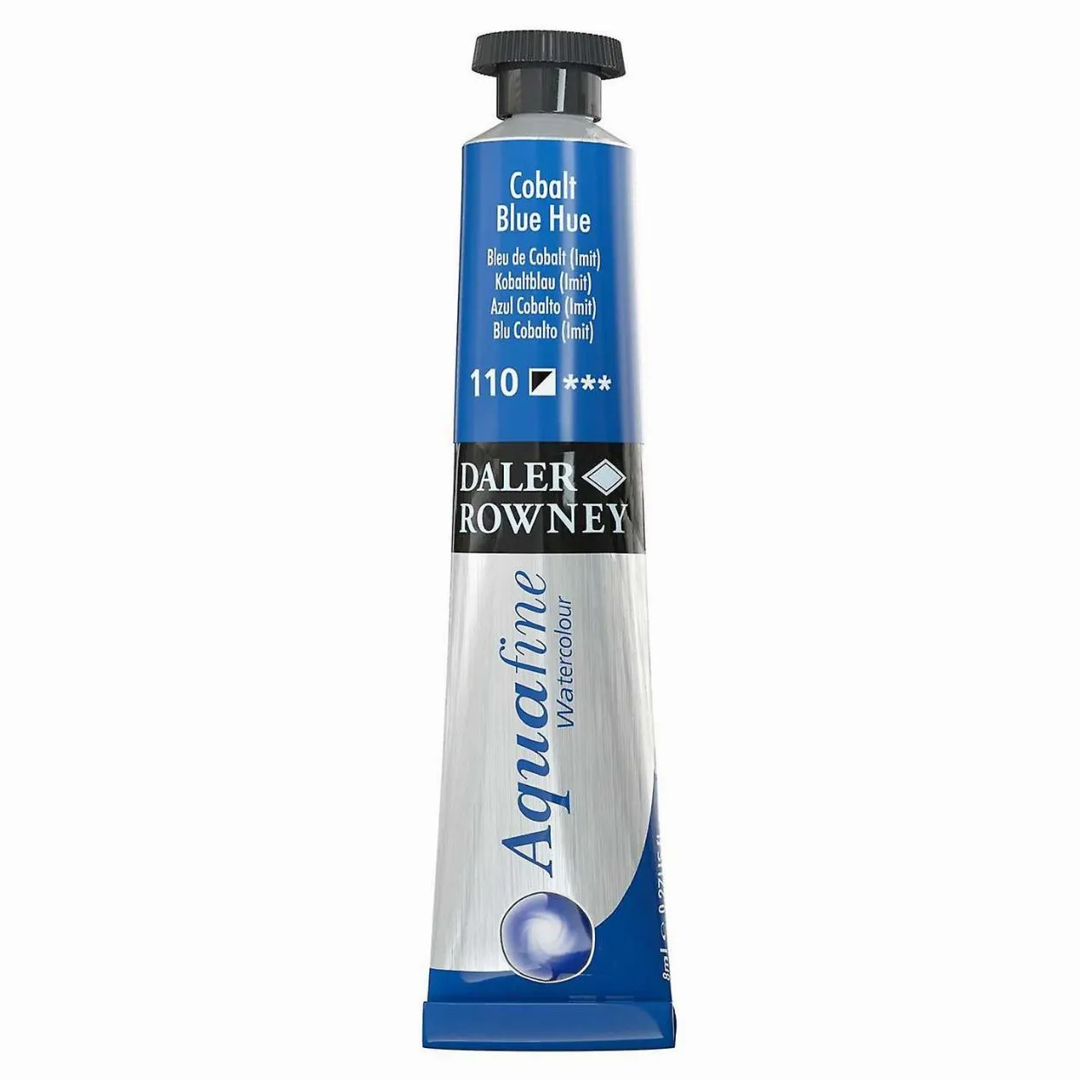
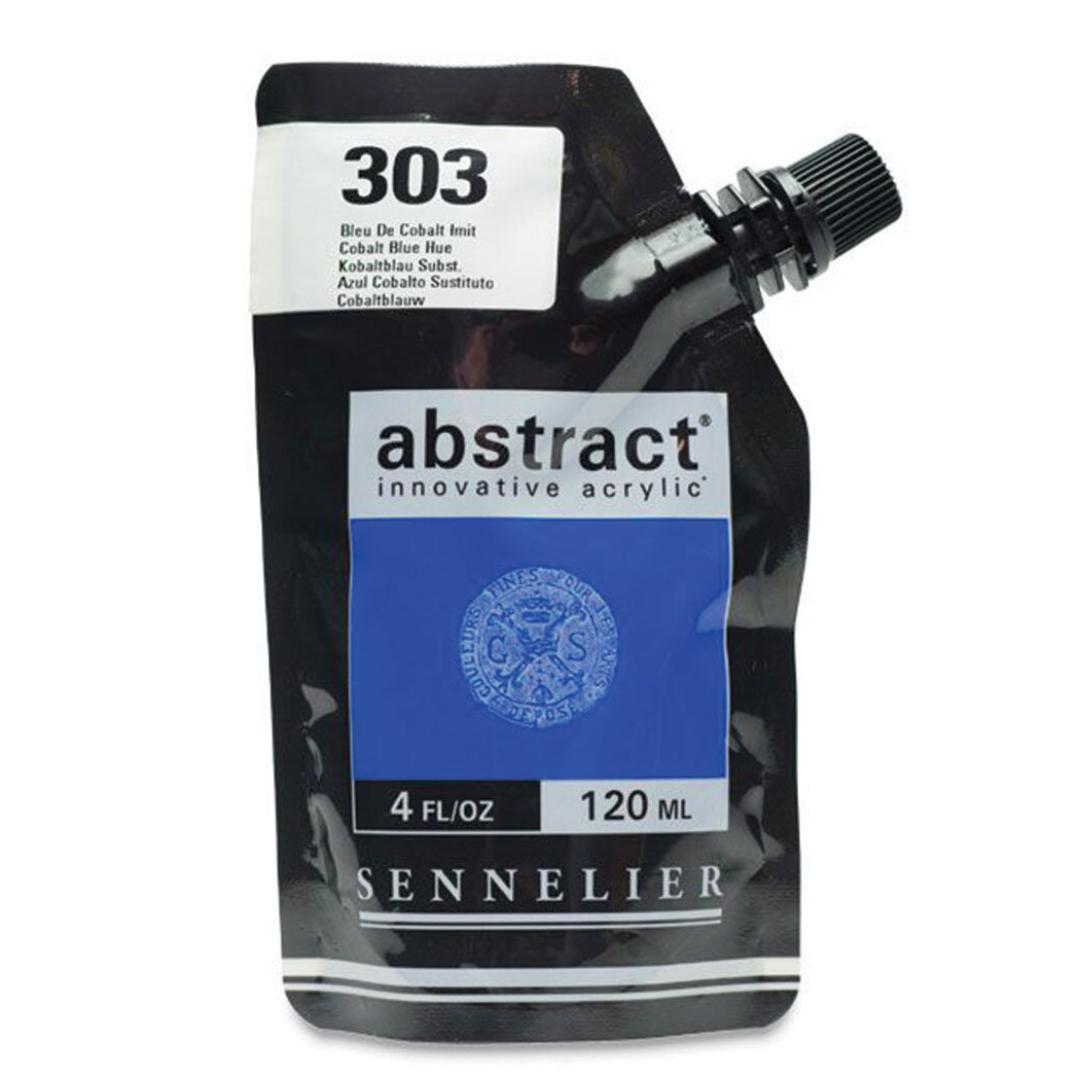
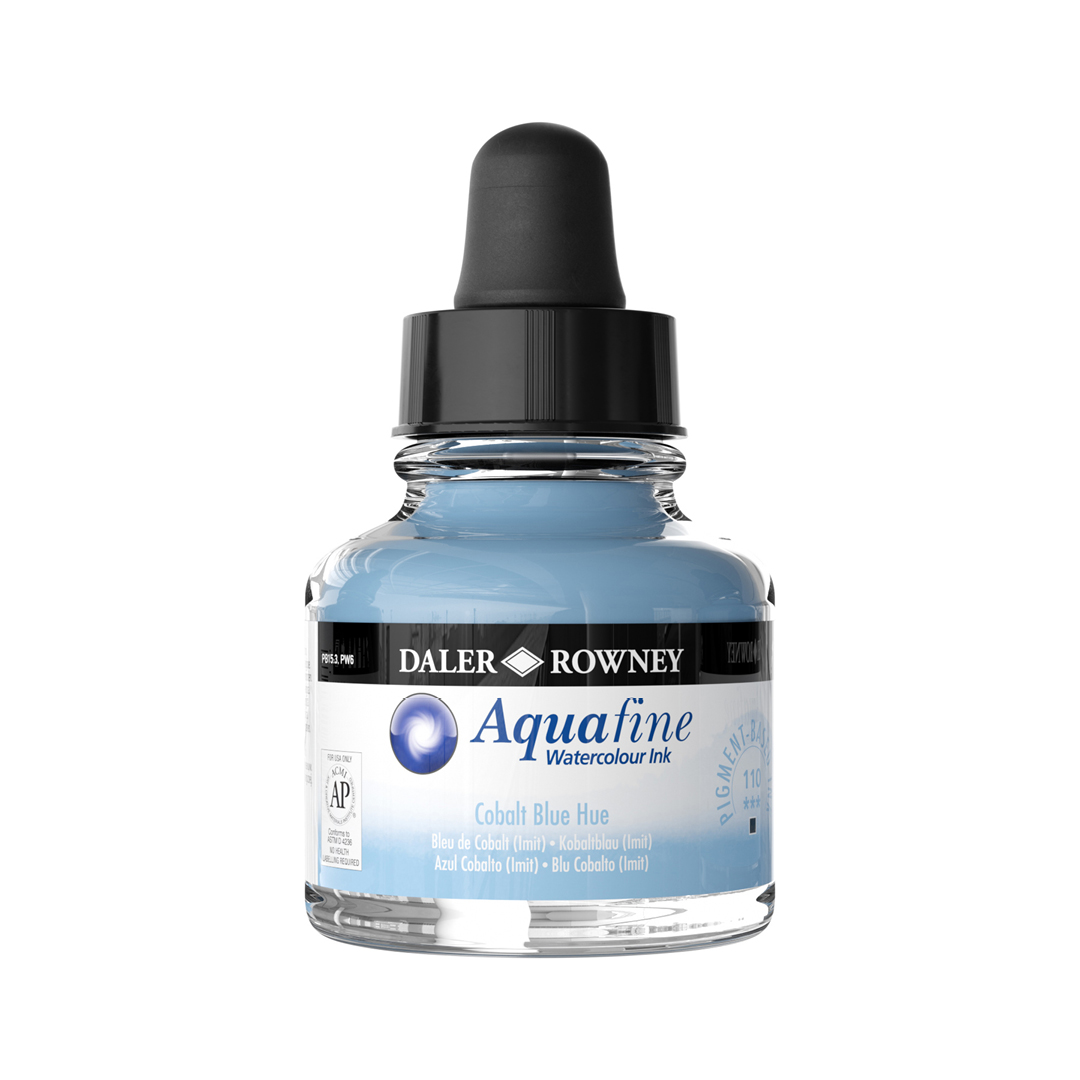
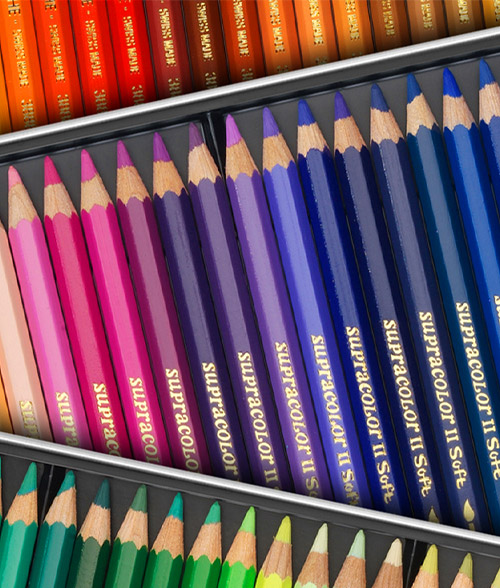
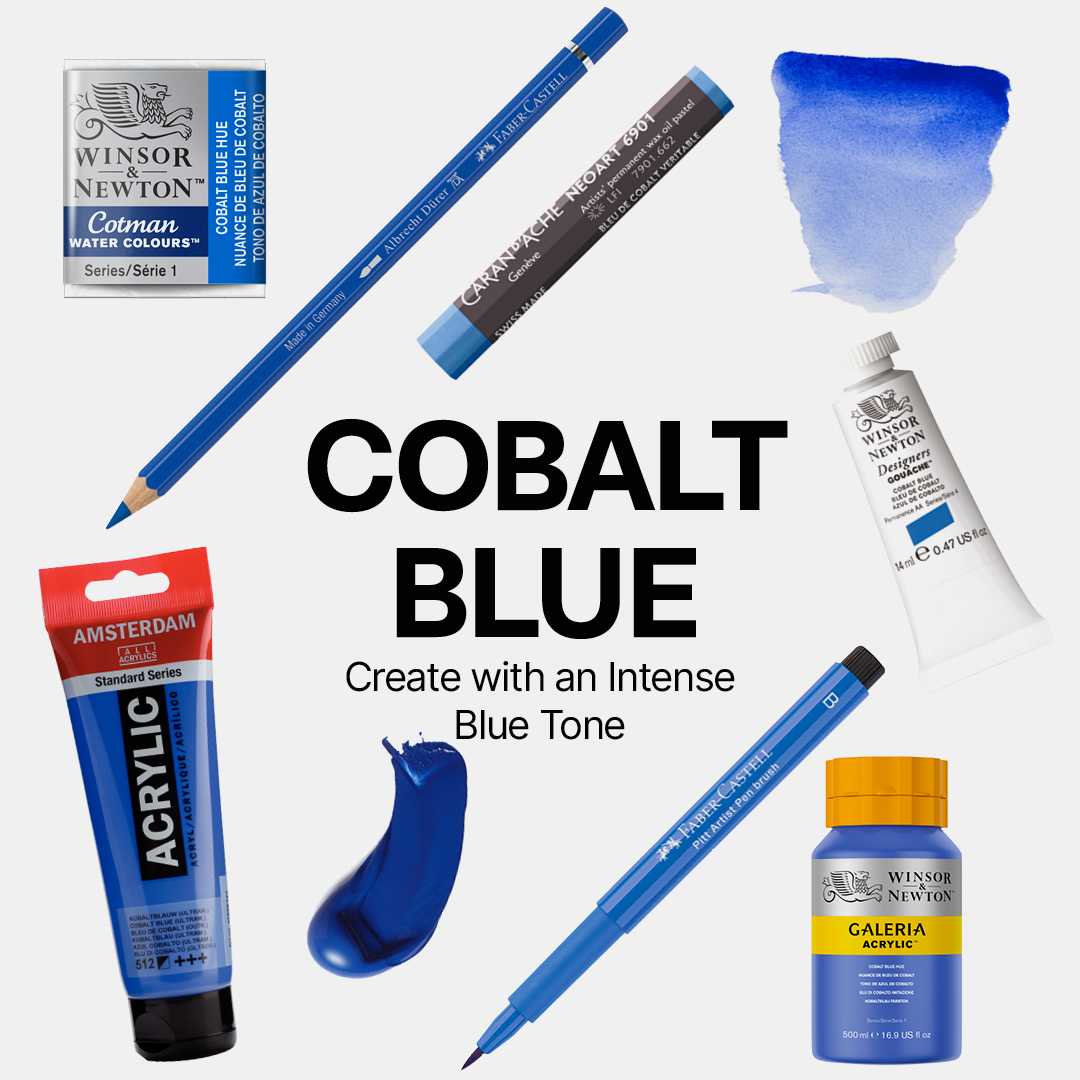
This colour is available in many different forms, from watercolours to oil paints, acrylics and coloured pencils. Here are a few examples available from our range: